
Last updated November 23, 2026
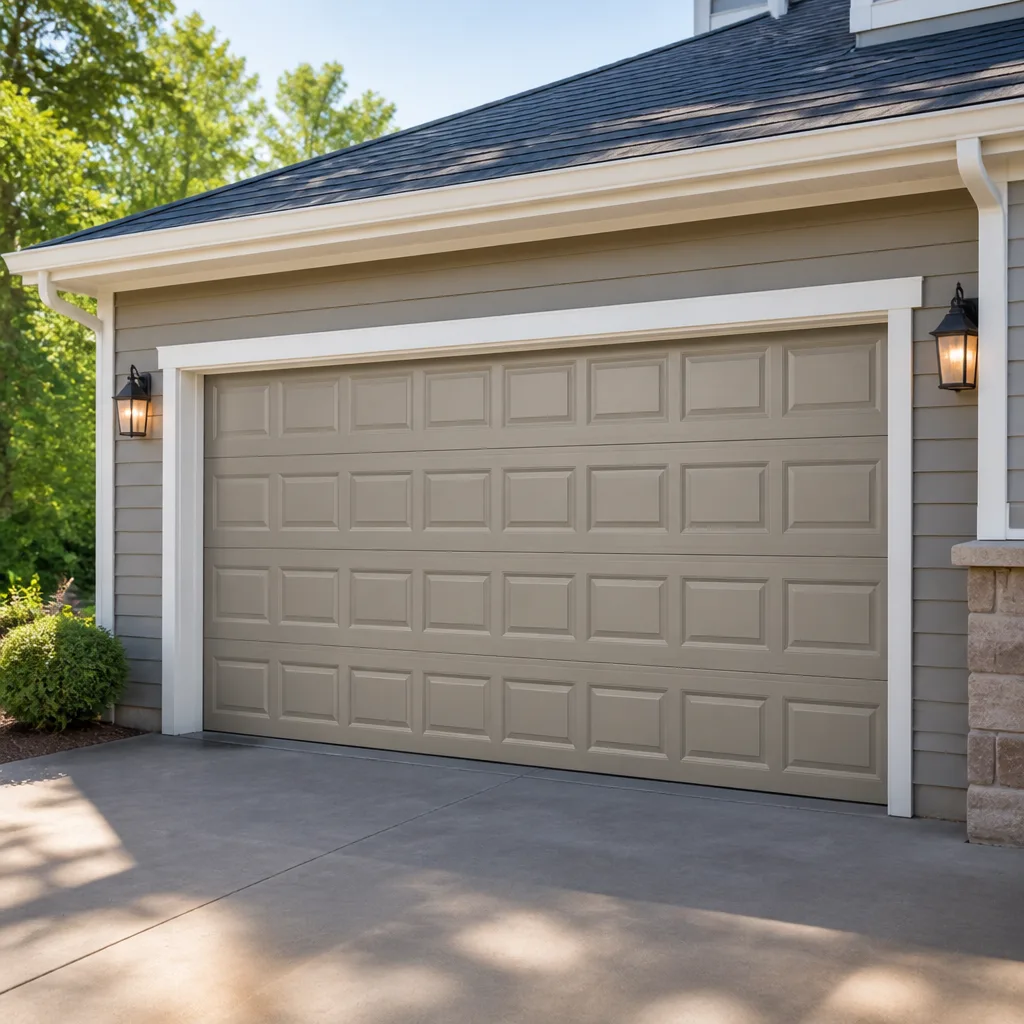 Raised-panel steel
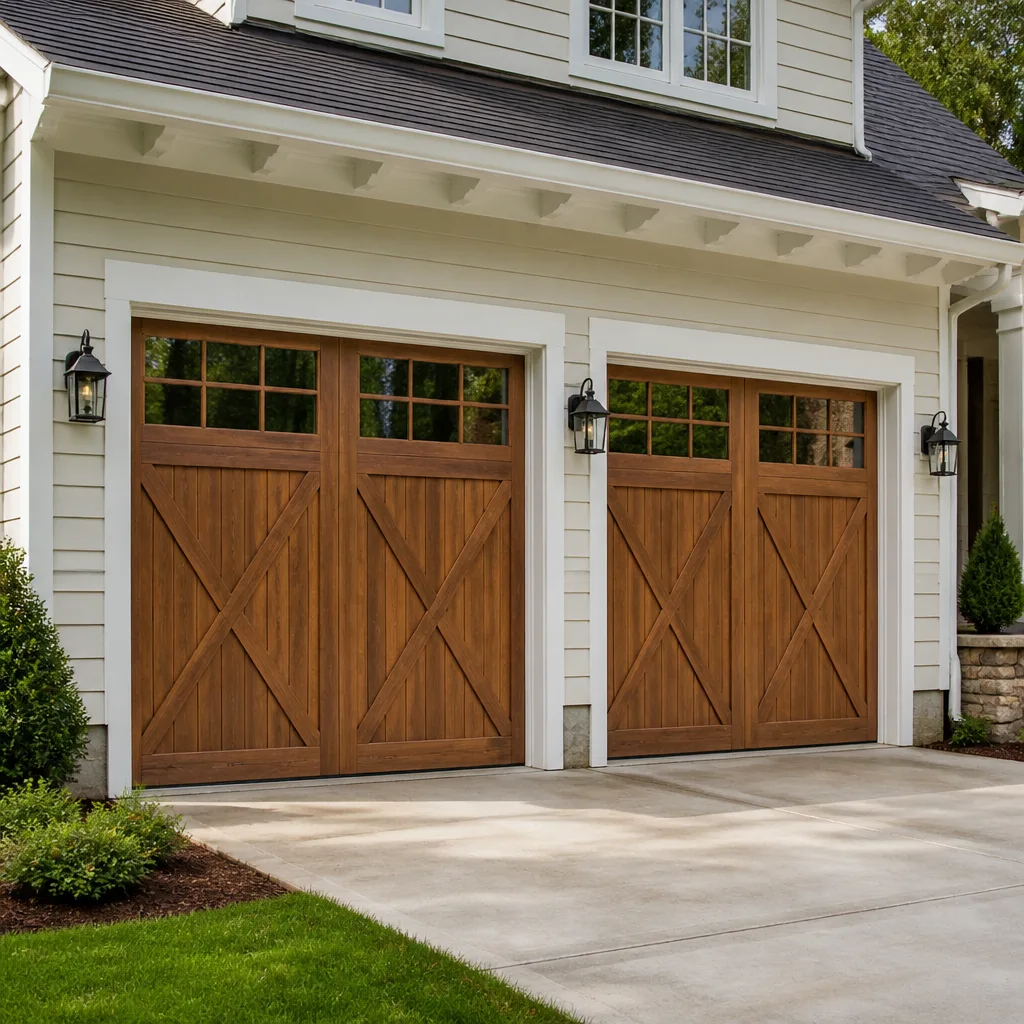 Carriage house
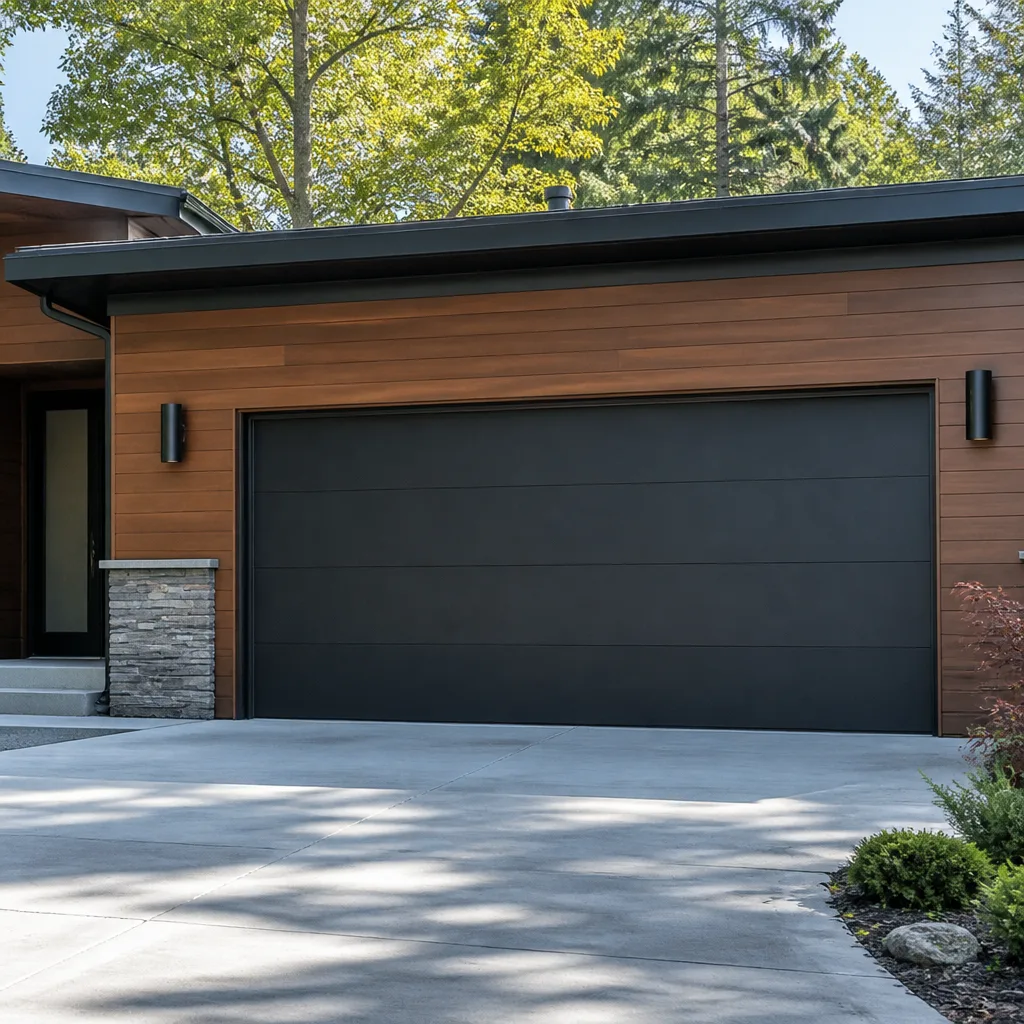 Modern flush
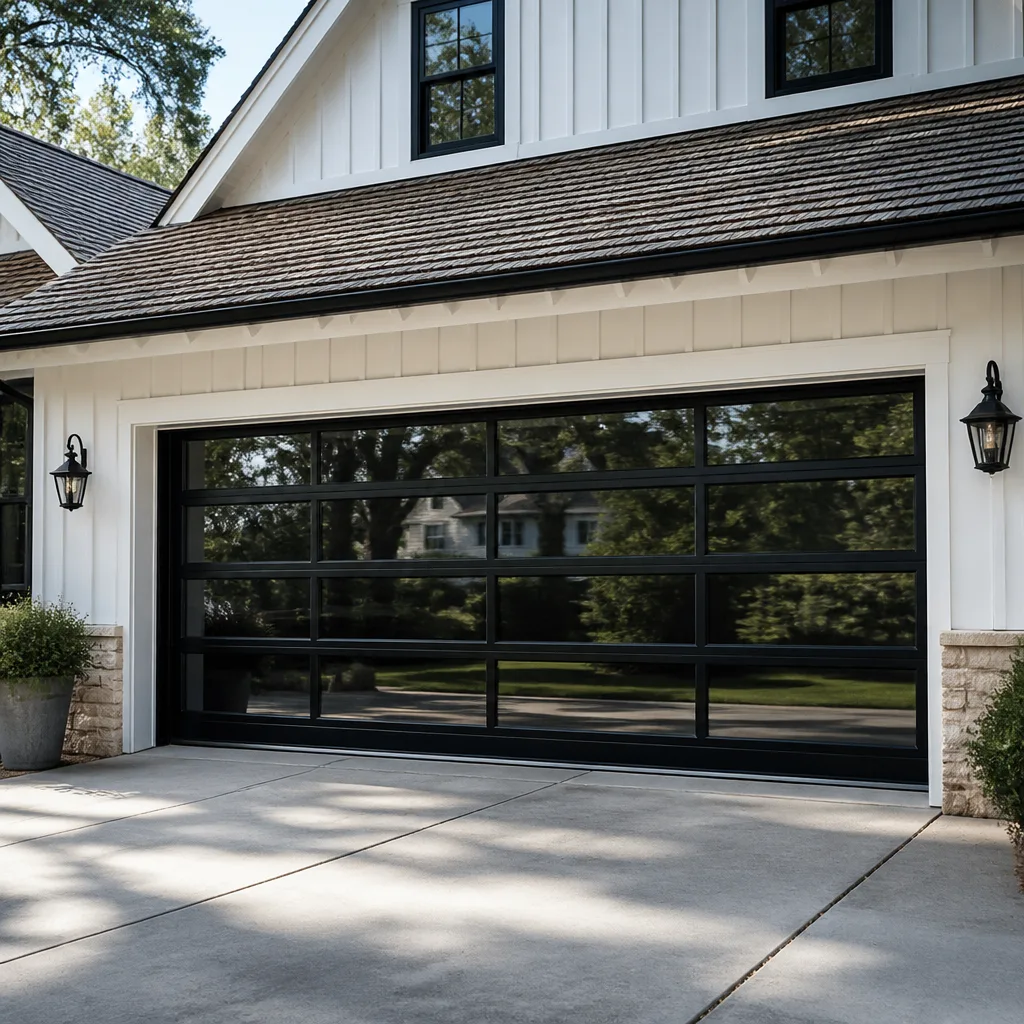 Full-view glass
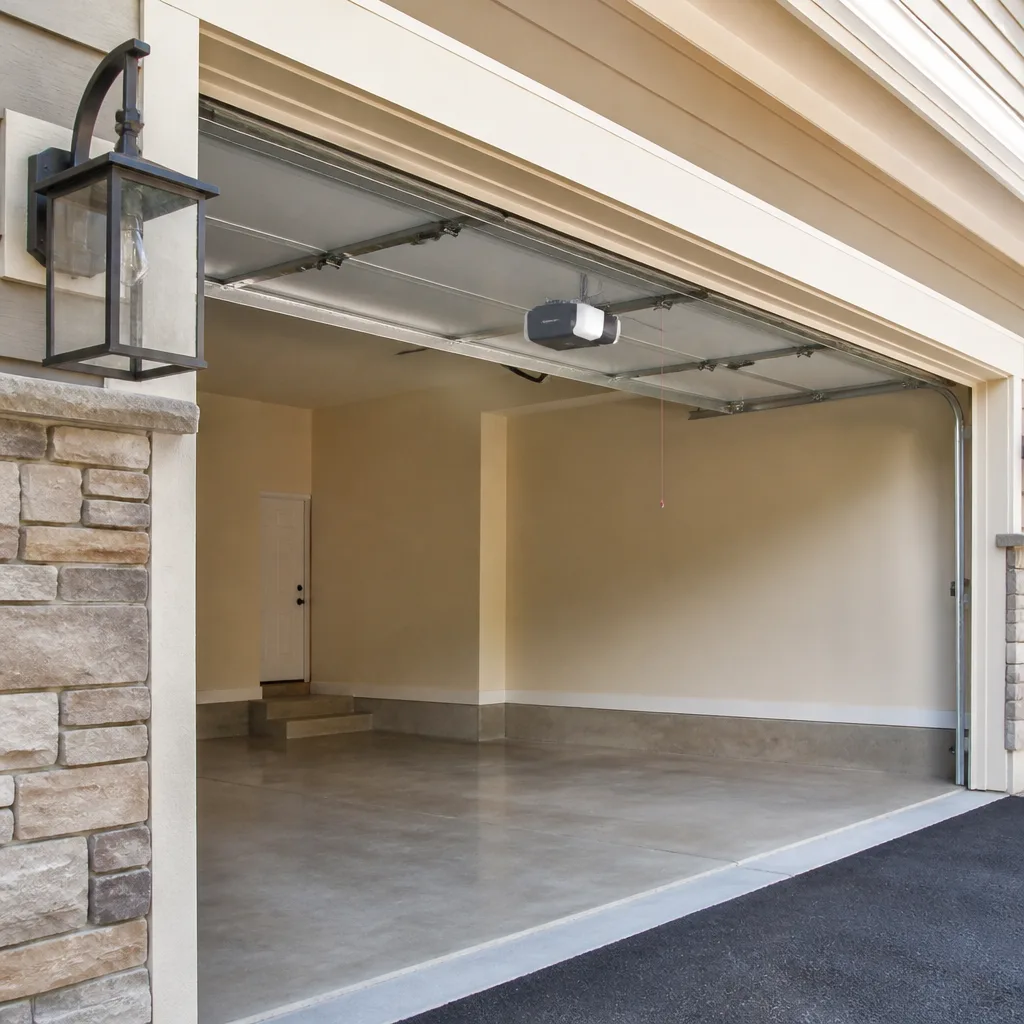 LiftMaster openers
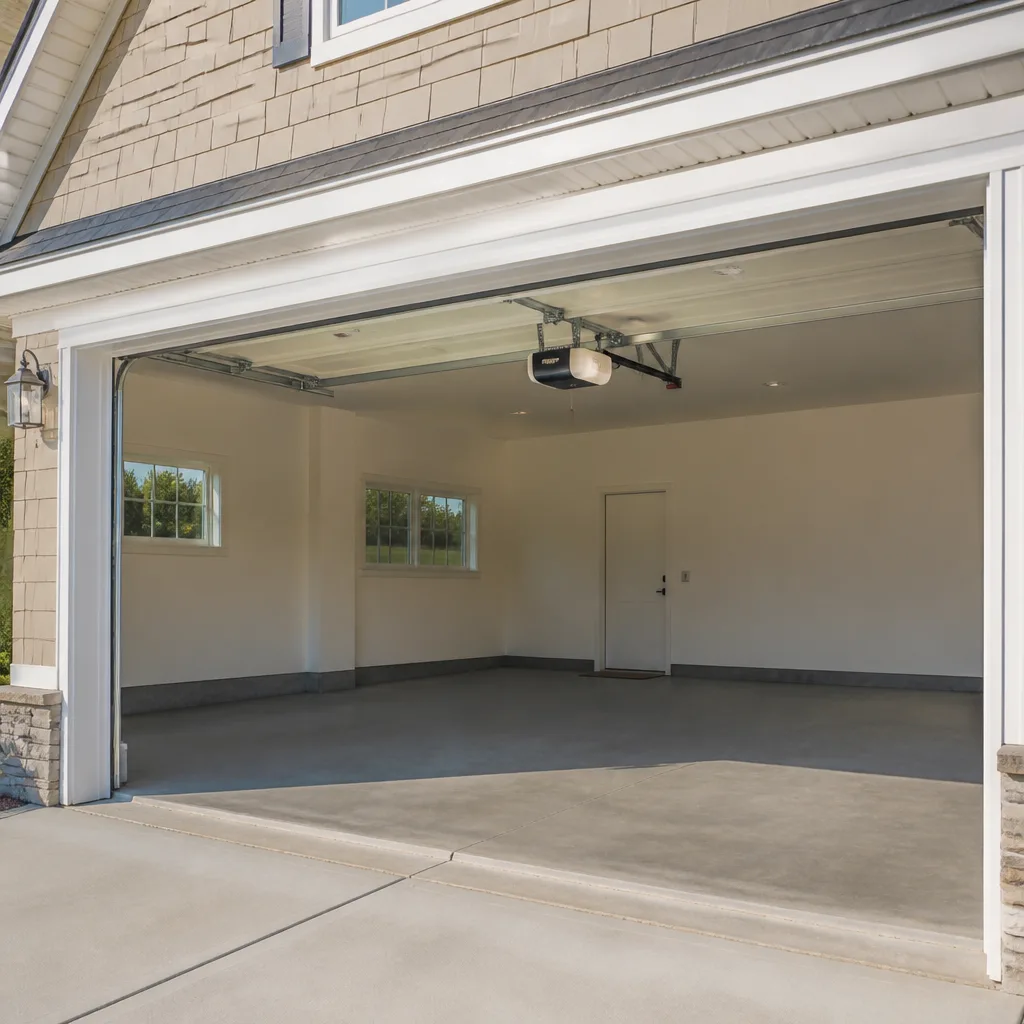 Chamberlain openers
Full 25-point door and opener safety check with every visit - springs, cables, rollers, tracks, and your LiftMaster or Chamberlain opener included
You get a price before we start. It does not change when the pro arrives.
Get your free estimateChoosing the Right Garage Door Brand: A Buyer’s Guide for Germantown
Three of the most heavily advertised garage door brands in the mid-Atlantic market run manufacturing facilities within 200 miles of each other, and several of them buy steel, hinges, and rollers from the same suppliers. That’s the part the showroom conversation usually skips. The name on the door matters far less than the product line inside that brand, the gauge of the steel, and whether the parts you’ll need in five years are sitting on a shelf nearby. In this guide we’ll walk through what actually differs between the brands installed most often in Germantown, why steel gauge and insulation matter more than logos, and how to pick a door that fits your house, your HOA, and the weather here.
Quick Answer
For most Germantown homeowners, the “best” garage door brand is the one whose specific product line matches your insulation needs and steel gauge, and whose parts a local technician can get without a multi-day wait. Clopay, Amarr, and Wayne Dalton all offer solid lines that fit typical Montgomery County homes; the difference is usually in the line you choose within the brand, not the brand itself. Pick the gauge and R-value for how you actually use the garage, then confirm local parts availability before you sign.
Styles & brands we work with
- Raised-panel steel
- Carriage house
- Modern flush
- Full-view glass
- LiftMaster openers
- Chamberlain openers
Table of Contents
- Why Brand Names Matter Less Than You Think
- Clopay, Wayne Dalton, Amarr, and CHI: What Actually Differs
- Local Parts Availability in Montgomery County
- Matching Insulation R-Value to Your Germantown Garage
- Steel Gauge: Why 24 vs. 25 Gauge Outlasts Brand Reputation
- HOA Color and Style Rules in Germantown Subdivisions
- Matching Your Door to Your Opener
- Common Mistakes to Avoid
- When to Call a Professional
Why Brand Names Matter Less Than You Think
Garage door manufacturing in the US is more consolidated than the ads suggest. A handful of companies produce the steel, the springs, and the hardware that go into doors sold under many different names. When two doors share a steel supplier and a hinge supplier, the brand badge is often the least meaningful difference between them. That’s not a knock on the brands – it’s a reality that should change how you shop.
What actually differs between brands comes down to four things: the gauge of steel in the panels, how the insulation is constructed (foam-filled, sandwich, or polyurethane), the warranty terms, and how easy it is to source replacement parts once the door is out of production. A mid-tier line from a well-supported brand usually beats a flagship line from a brand your local technician can’t get parts for.
Here’s the practical test. Ask two questions before you buy any door in Germantown: What gauge steel is this specific line, and can my technician get the hinges and rollers for this model locally? If the salesperson can’t answer both, the brand name on the door won’t save you when a roller fails or a panel needs replacing. We’ve learned this the hard way over years of servicing doors across the county, and it’s why we focus on Garage Door Repair Germantown as a specialist operation rather than a general home-services shop.
Clopay, Wayne Dalton, Amarr, and CHI: What Actually Differs
These four brands show up on more Germantown homes than any others. Here’s a straight comparison focused on what actually matters, not what the brochures emphasize.
Clopay
Clopay has the widest product range of the four, from builder-grade steel doors to insulated carriage-house styles. The strength is choice: whether you need a basic raised-panel door or a wood-look steel door for a colonial, Clopay has a line. The catch is that the brand’s reputation comes from its premium lines, so a low-end Clopay door isn’t automatically better than a mid-tier door from another brand. Ask which line, not just which brand.
Wayne Dalton
Wayne Dalton is common in Montgomery County subdivision construction because its builder lines are cost-effective and install cleanly. Their Classic Steel and carriage-house lines are solid choices for standard two-car garages. The thing to watch: some Wayne Dalton models use proprietary hardware (specifically certain TorqueMaster spring systems), which means your local technician needs to know that system specifically. It’s not a dealbreaker – it’s a reason to confirm experience with the line before you buy.
Amarr
Amarr’s strength is value and durability in its mid-tier lines. Their insulated steel doors hold up well and their panel construction is straightforward to service. Amarr is a good fit for homeowners who want a well-insulated door without paying flagship pricing. Their hardware is generally standard, which makes long-term servicing easier.
CHI
CHI is a smaller name but worth knowing because their doors are built for durability and their hardware is generally standard-spec. If you want a door that a technician can service with common parts years from now, CHI is worth a look. Where they fall short is style range – they don’t have the carriage-house depth of Clopay.
The honest summary: all four brands make doors that will serve you well. The line matters more than the brand, and parts availability (covered next) matters more than either. If you’re ever stuck between two doors, our team can help you compare them side by side on a garage door repair or installation estimate.
Local Parts Availability in Montgomery County
This is the section most brand-comparison guides skip, and it’s the one that matters most in year seven when your door needs a new roller, hinge, or panel. A door that needs a custom-ordered part and waits five days for delivery is a door that leaves your garage exposed for five days. A door whose parts sit on a regional shelf gets fixed the same week you call.
What “local parts” means in practice for Germantown homeowners:
- Standard hardware parts (rollers, hinges, cables, springs, bottom seals) are universal across nearly all brands and available locally regardless of door brand. This covers 80% of service calls.
- Panel replacement is where brand and line matter. Common Clopay and Amarr panel profiles are typically available through regional distributors; less-common Wayne Dalton and CHI profiles sometimes require ordering.
- Proprietary hardware – Wayne Dalton’s TorqueMaster spring system is the main example – can require brand-specific parts. That’s not a reason to avoid the brand; it’s a reason to make sure your technician knows the system.
- Smart opener modules – LiftMaster, Chamberlain, Genie, and Craftsman all have good parts support in the DC-Baltimore corridor, so opener replacement parts are rarely a wait.
When you’re choosing a door in Germantown, ask the installer point-blank: if this panel gets damaged, how fast can you get a replacement? If the answer involves “custom order” and a vague timeline, weigh that against the money you’re saving on the door. We’re factory-trained on eight major brands, which means for the common systems we can typically source parts without the delay a generalist would hit. That difference in availability is worth more over ten years than a few hundred dollars off the installation.
Matching Insulation R-Value to Your Germantown Garage
Insulation R-value is where the showroom up-sell gets loudest, and where most homeowners overspend. R-value measures resistance to heat flow. Higher is better, but only up to the point where your garage’s actual use stops benefiting. A Germantown attached garage has different needs than a detached workshop, and the threshold where higher R-value stops paying off is real.
How to think about it:
- Garage only stores cars and tools: a non-insulated or low-R-value door is usually fine. The garage isn’t conditioned, so insulation mainly serves noise reduction and a bit of temperature buffering.
- Garage shares a wall with the house and you heat or cool the home above it: an insulated door makes a measurable difference to the room above, especially in summer when the garage heats up. R-9 to R-12 is a sensible target here.
- Garage is regularly used as a workspace, workshop, or home gym: R-12 to R-16 is worth the cost because the door is the biggest insulating surface.
- You want maximum comfort year-round: R-16 and above is available but you hit diminishing returns. Most of the gain past this threshold is in noise reduction, not energy bills.
The threshold that gets missed: once your garage is insulated to roughly R-12, the marginal energy savings from going higher are small in a Germantown climate. You’ll still pay for the higher R-value, so weigh whether the added cost is really buying you anything beyond a quieter door. For a typical attached garage used only for parking, an R-9 to R-12 door from a solid line is usually the sensible choice.
Steel Gauge: Why 24 vs. 25 Gauge Outlasts Brand Reputation
Steel gauge is the least glamorous spec on a garage door and the one that most determines how long the door lasts. Lower gauge numbers mean thicker steel. A 24-gauge door has thicker steel than a 25-gauge door, and that difference shows up in dent resistance, panel rigidity, and how long the finish holds.
For Germantown’s climate – hot, humid summers, freezing winters, and the seasonal expansion and contraction that comes with them – the steel gauge matters more than the brand badge. Thin steel flexes more with temperature swings, which stresses the finish and the panel seams over time. A 25-gauge door from a premium brand will still dent more easily and flex more than a 24-gauge door from a mid-tier brand.
What to look for:
- 24-gauge is the standard for a door you plan to keep 15+ years. It resists impact better and holds its shape.
- 25-gauge is common in builder-grade doors and fine if you’re on a tight budget and plan to replace sooner.
- 26-gauge or thinner is usually a sign of a door built to a price point, not to last.
- Double-sided steel (steel on both the inside and outside face) adds rigidity beyond what the gauge alone tells you.
Our advice: if you’re choosing between a cheaper brand in 24-gauge and a premium brand in 25-gauge, take the 24-gauge. The panels will hold up better in Germantown’s temperature swings, and the door will still be serviceable when it needs a garage door spring repair down the road, because the spring and hardware systems are standardized to the door’s weight, not its brand.
HOA Color and Style Rules in Germantown Subdivisions
Most Germantown subdivisions have architectural review requirements, and they usually restrict door color and panel style to keep the streetscape consistent. That’s not a problem for brand choice – it’s a problem for ordering the wrong door before the HOA approves. Get the HOA’s guidelines and written approval before you order, or you can end up with a door you can’t install.
What the rules typically cover, and how brands stack up:
- Color palettes – most HOAs specify a set of approved colors. All four major brands (Clopay, Wayne Dalton, Amarr, CHI) offer a good range of standard colors that fit these palettes, so this rarely restricts brand choice.
- Panel style – raised-panel and carriage-house are the two most commonly approved styles. Clopay has the widest carriage-house range; Amarr and Wayne Dalton offer solid standard carriage styles.
- Window and trim details – some HOAs restrict window options. Confirm with the HOA before selecting.
The flexibility trick: brands that offer a broad standard-color and standard-panel catalog let you meet HOA rules without paying a custom-order premium. Clopay’s standard color range is the widest here, but Amarr and Wayne Dalton both offer enough standard options for most Germantown subdivisions. If your HOA has an unusual color requirement, ask the installer whether it’s a standard option or a custom order – the difference can be significant.
Matching Your Door to Your Opener
A new garage door and an old opener can be a mismatched pair. The door’s weight determines the spring and opener power you need, and installing a heavier insulated door on an opener sized for a lighter door leads to premature wear on the garage door opener repair side. If your opener is on its last legs, factor that into the door decision rather than after it.
- Weigh the door. The installer should match the springs to the door’s actual weight – not to the brand’s generic spec.
- Check the opener’s capacity. Most residential openers handle standard single-car and two-car doors. Insulated doors are heavier, so confirm the opener’s rating before installation.
- Look at the opener’s age. If it’s due for replacement anyway, an opener upgrade from LiftMaster, Chamberlain, Genie, or Craftsman lets you pair the new door with modern safety features (auto-reverse sensors, battery backup) from the start.
- Confirm parts support. The LiftMaster, Chamberlain, Genie, and Craftsman parts ecosystem is well-supported locally in the DC-Baltimore corridor, so replacement parts are rarely an issue.
One brand worth mentioning for opener matching: the LiftMaster and Chamberlain ecosystem shares enough common hardware with Genie that a technician trained across these lines can service any of them. That’s an argument for choosing a technician first, then the door and opener, rather than choosing a door brand in isolation.
Common Mistakes to Avoid
- Buying the brand instead of the line. A premium brand’s builder-grade line won’t outperform a mid-tier brand’s flagship line. Ask which product line you’re getting before you compare price tags.
- Skipping the gauge question. If the quote doesn’t say 24-gauge or 25-gauge, the door is probably thinner than you’d want for Germantown’s temperature swings. Get the gauge in writing.
- Overspending on R-value for a parking-only garage. R-9 to R-12 is usually the sensible ceiling unless the garage is used as a conditioned workspace. The higher number looks better on the quote but rarely pays for itself.
- Ordering before HOA approval. Get written approval from your subdivision’s architectural committee before you order. It’s a ten-minute process that prevents a much more expensive problem.
- Ignoring parts availability. A door whose panel requires a custom order leaves your garage exposed during the wait. Ask how fast the installer can source a replacement panel.
- Mismatching the door weight to the opener. A heavier insulated door on an undersized opener wears out the opener and the door springs. Confirm both sides of the match.
- Assuming brand equals long-term serviceability. The most serviceable door in Germantown is one whose hardware a local technician recognizes and can source, regardless of the badge on the front.
See the difference
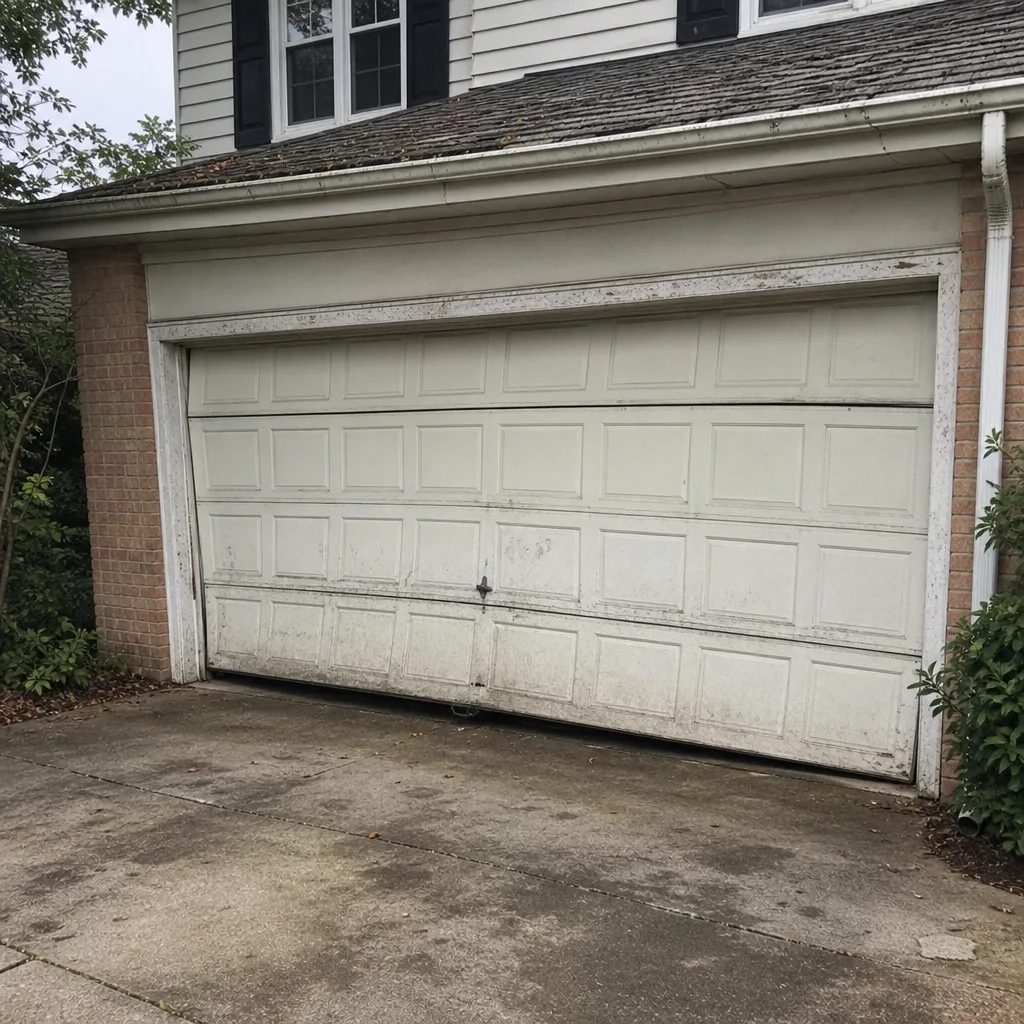 Before
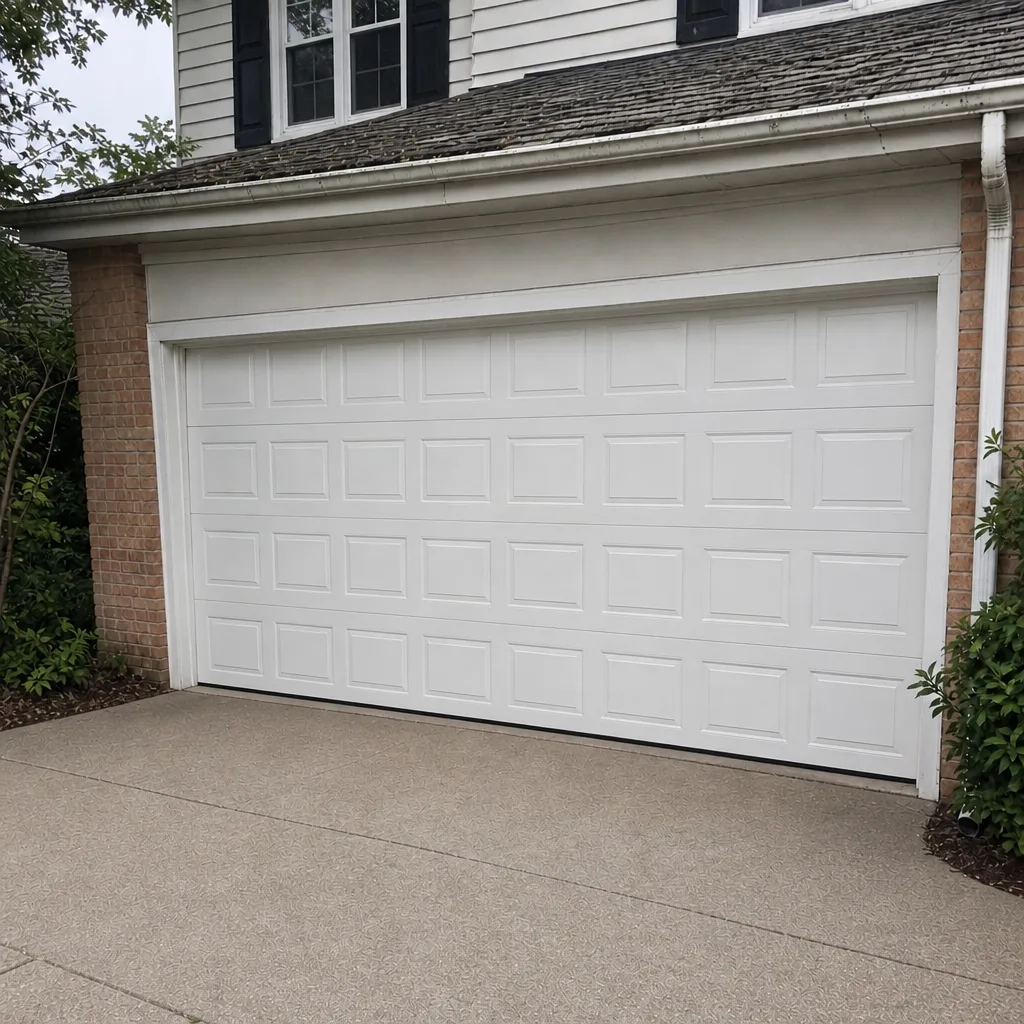 After
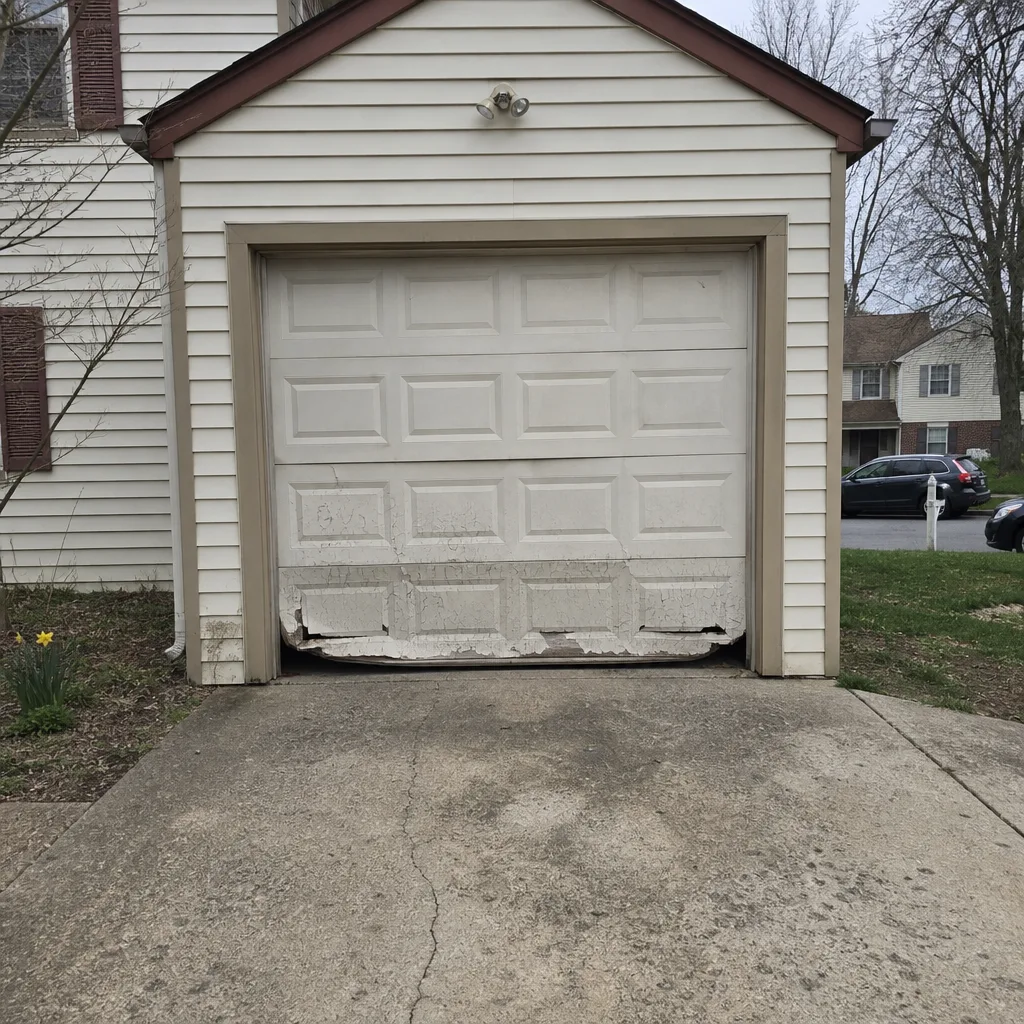 Before
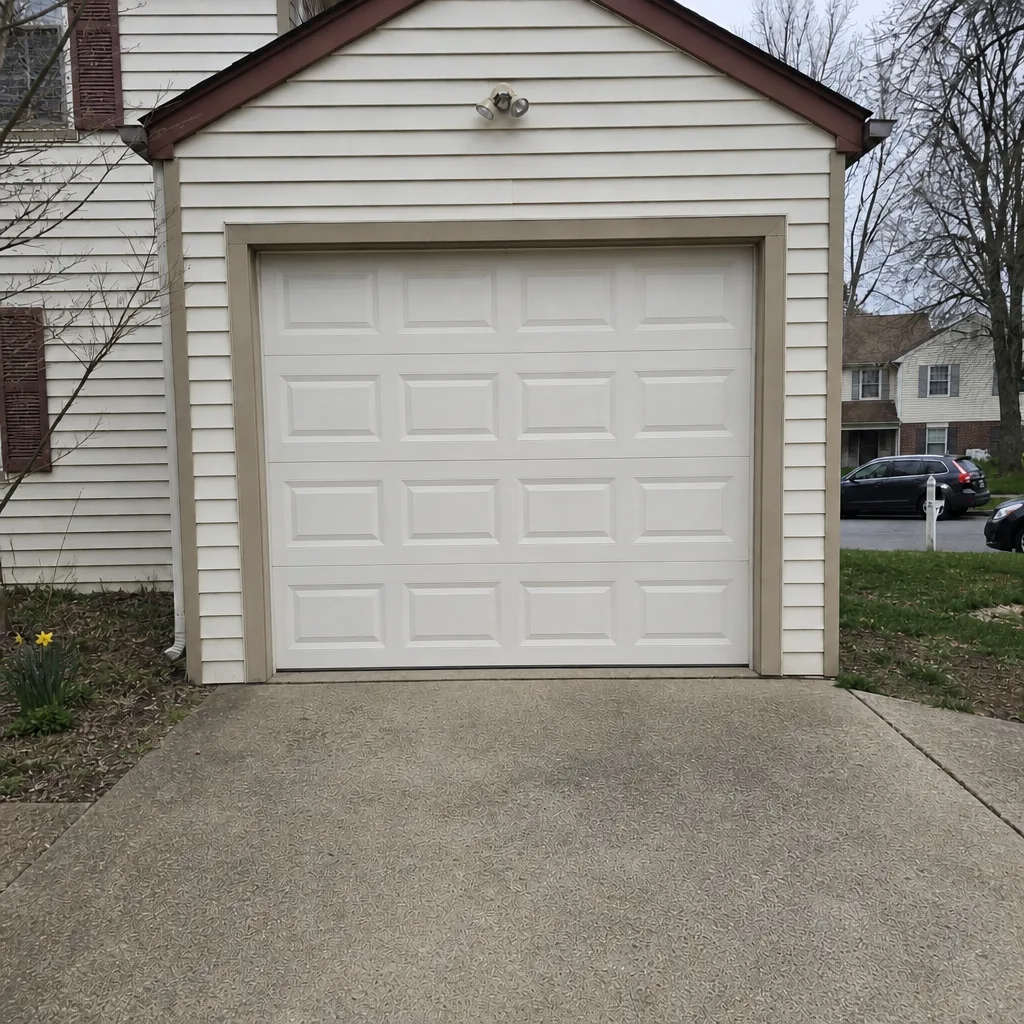 After
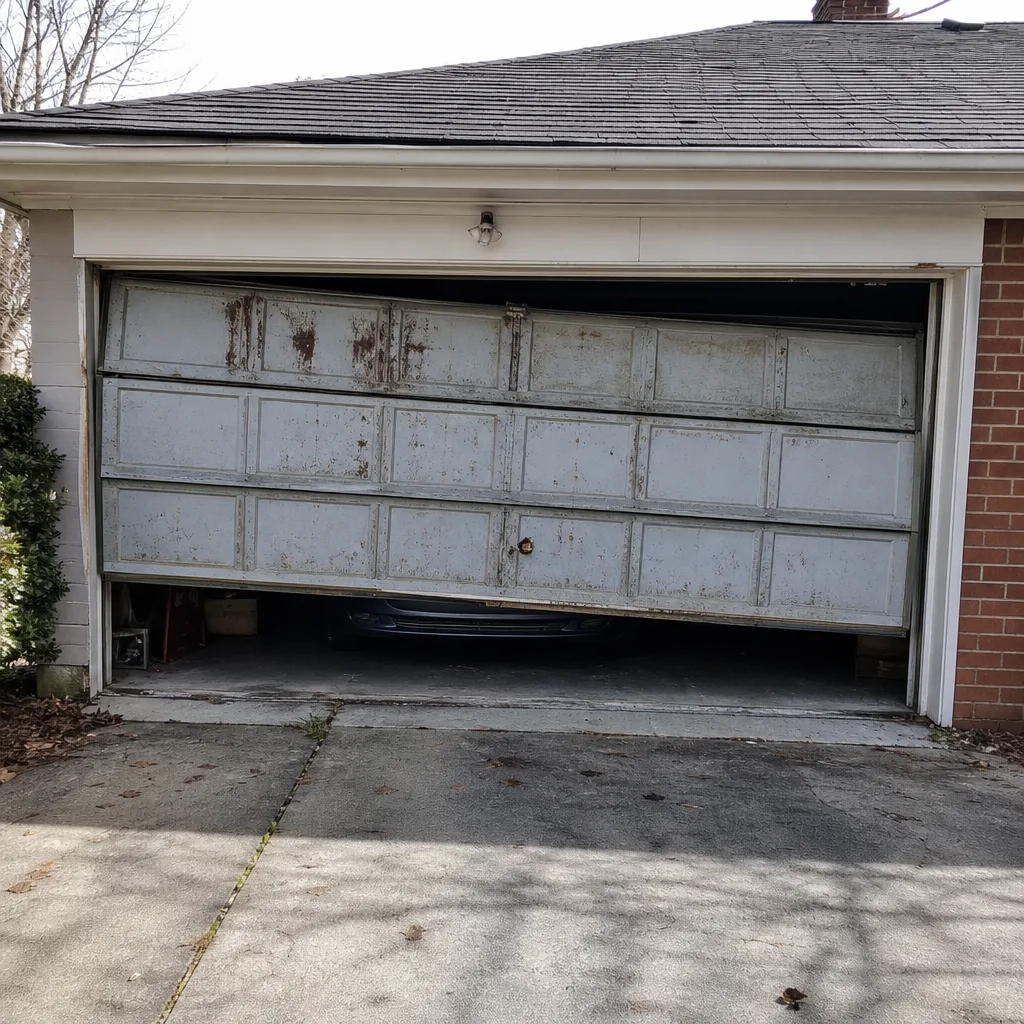 Before
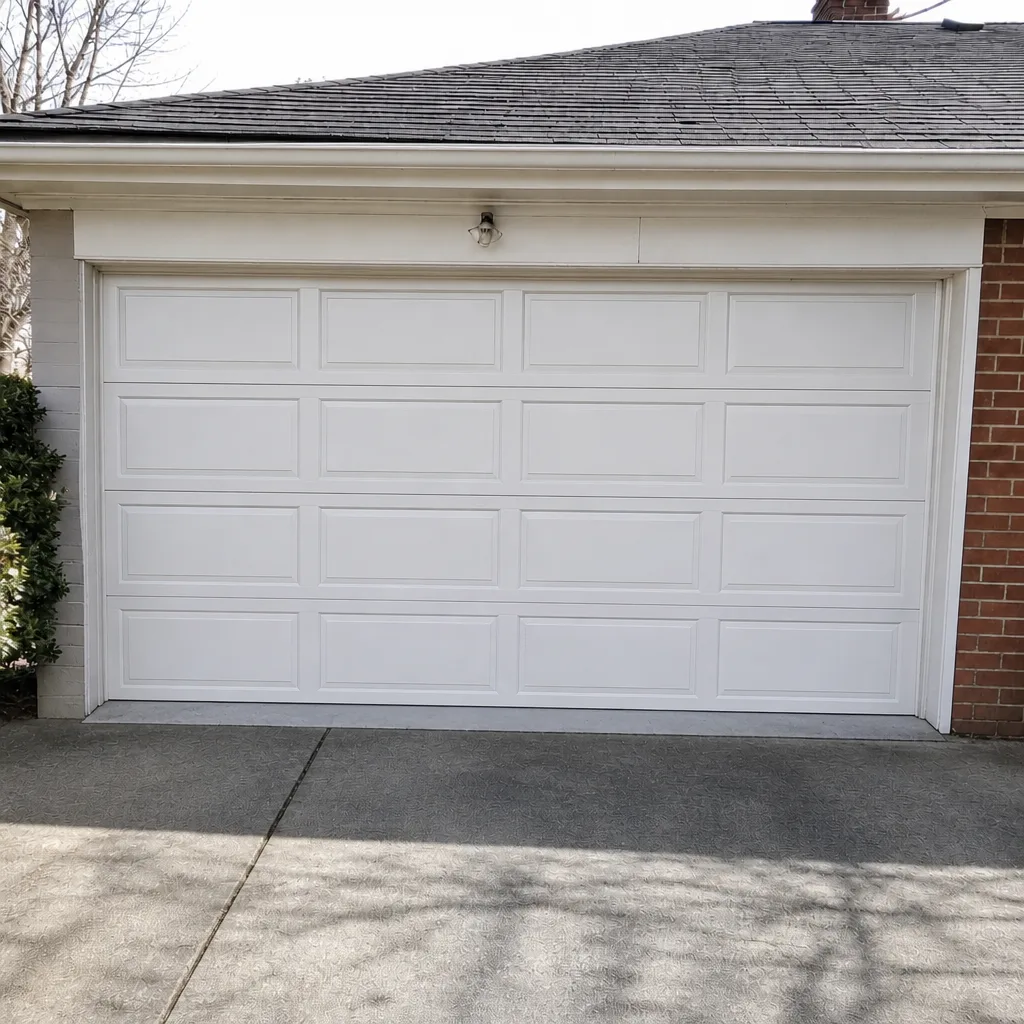 After
When to Call a Professional
Most of this guide is about choosing a door, which is a planned decision – you have time to research and compare. But some situations need a technician now, not a spreadsheet. If your door won’t open, the spring is broken, the door is stuck partway up and hanging off-balance, or the opener has failed before work, call a specialist. Garage door springs are under high tension and can cause serious injury; they’re not a DIY job, and we handle them as a standalone specialty with the right tools. Installation that isn’t measured and set up correctly leads to premature wear, so even a planned installation deserves a proper measure and quote. If you’re unsure whether the door needs a repair or a replacement, our team can tell you honestly rather than upselling you into a new door when one is not needed.
Garage Door Repair Germantown offers free estimates in Germantown – call (855) 752-3290. We answer 24/7. Fast dispatch from 7am to 7pm, Sunday through Friday.
Frequently Asked Questions
For most Germantown homes, Clopay, Amarr, or Wayne Dalton in a mid-tier 24-gauge line is the best fit – the specific line matters more than the brand name. Match the line to your insulation needs and confirm local parts availability before you buy. Call (855) 752-3290 for a free estimate and we’ll help you compare.
The brand matters less than the line, the gauge of steel, and whether your local technician can source parts for that model. Standard hardware (springs, hinges, rollers, cables) is universal across brands and available quickly. Panel replacement is where brand and line matter. Call us for an honest answer on your specific door.
For a parking-only attached garage, R-9 to R-12 is usually the sensible target. If the garage is used as a conditioned workspace, R-12 to R-16 is worth the cost. Above R-16, the savings in a Germantown climate are small – you’re mostly buying a quieter door, not lower bills.
24-gauge steel is better for longevity in Germantown’s climate. Thicker steel resists dents better and holds its shape through the seasonal expansion and contraction that comes with hot summers and freezing winters. A 24-gauge door from a mid-tier brand will outlast a 25-gauge door from a premium brand.
Standard hardware parts are typically available quickly across all brands. Common Clopay and Amarr panel profiles are usually available through regional distributors. Less-common Wayne Dalton and CHI profiles sometimes require ordering. Ask the installer directly before you buy so you know what to expect.
Installation and opener upgrades can be scheduled together when both are specified upfront, so we can measure, order, and coordinate in one estimate. Installation is a planned job, so we measure first and give you a written price before any work begins. Call (855) 752-3290 for a free estimate.
The Bottom Line
Brand choice for a Germantown garage door matters less than the showroom conversation implies. What matters more: the product line within the brand (not just the badge), the steel gauge (24-gauge over 25-gauge for longevity here), the insulation R-value matched to how you actually use the garage (R-9 to R-12 for parking, R-12 to R-16 for a workspace), and local parts availability so a replacement panel doesn’t leave you waiting. Those four factors, in that order, are what determine whether the door serves you for fifteen years. We work on all the major brands and can tell you honestly which line fits your house, your budget, and your HOA. Our technicians have up to 9 years of experience with the systems installed across Montgomery County, and we’ll give you a clear, upfront quote before any work starts.
Call (855) 752-3290 for a free estimate. We answer 24/7. Fast dispatch from 7am to 7pm, Sunday through Friday.
Written by the team at Garage Door Repair Germantown.