
Last updated November 23, 2026
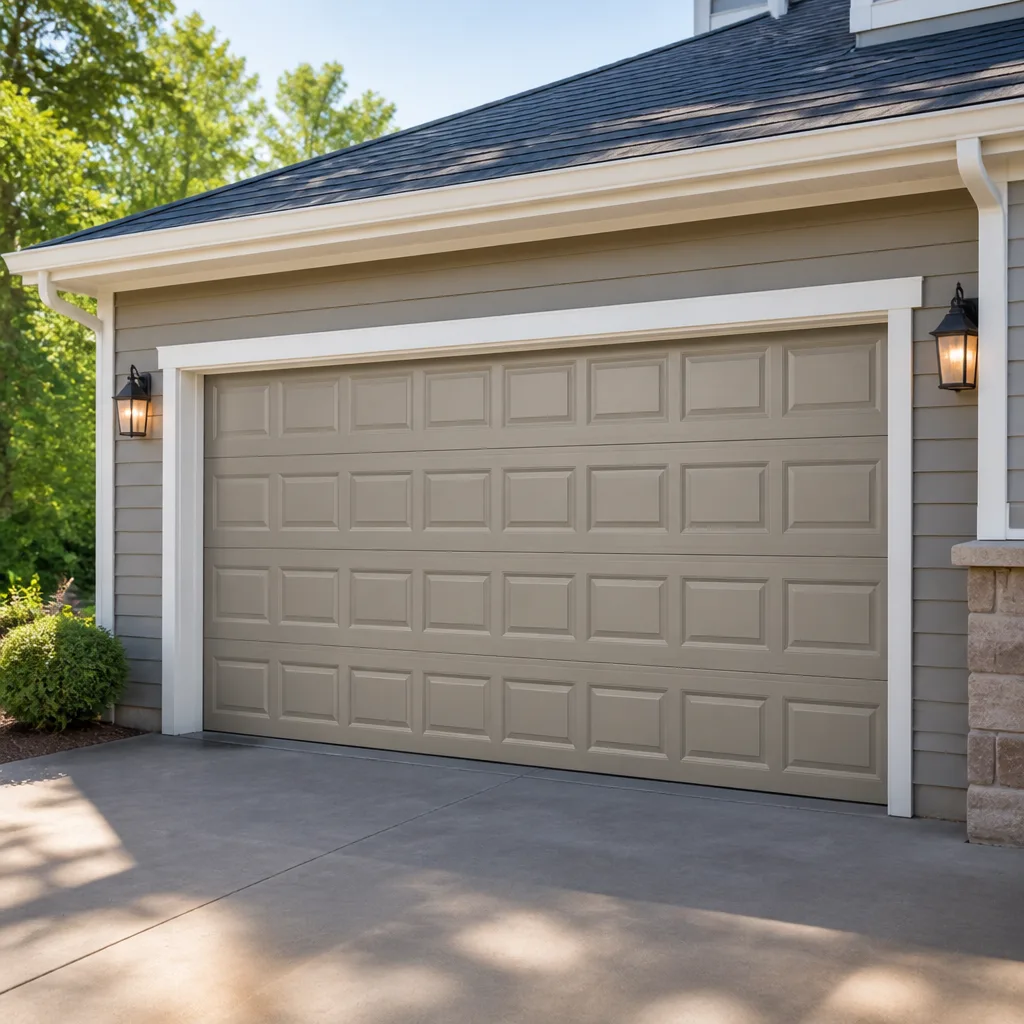 Raised-panel steel
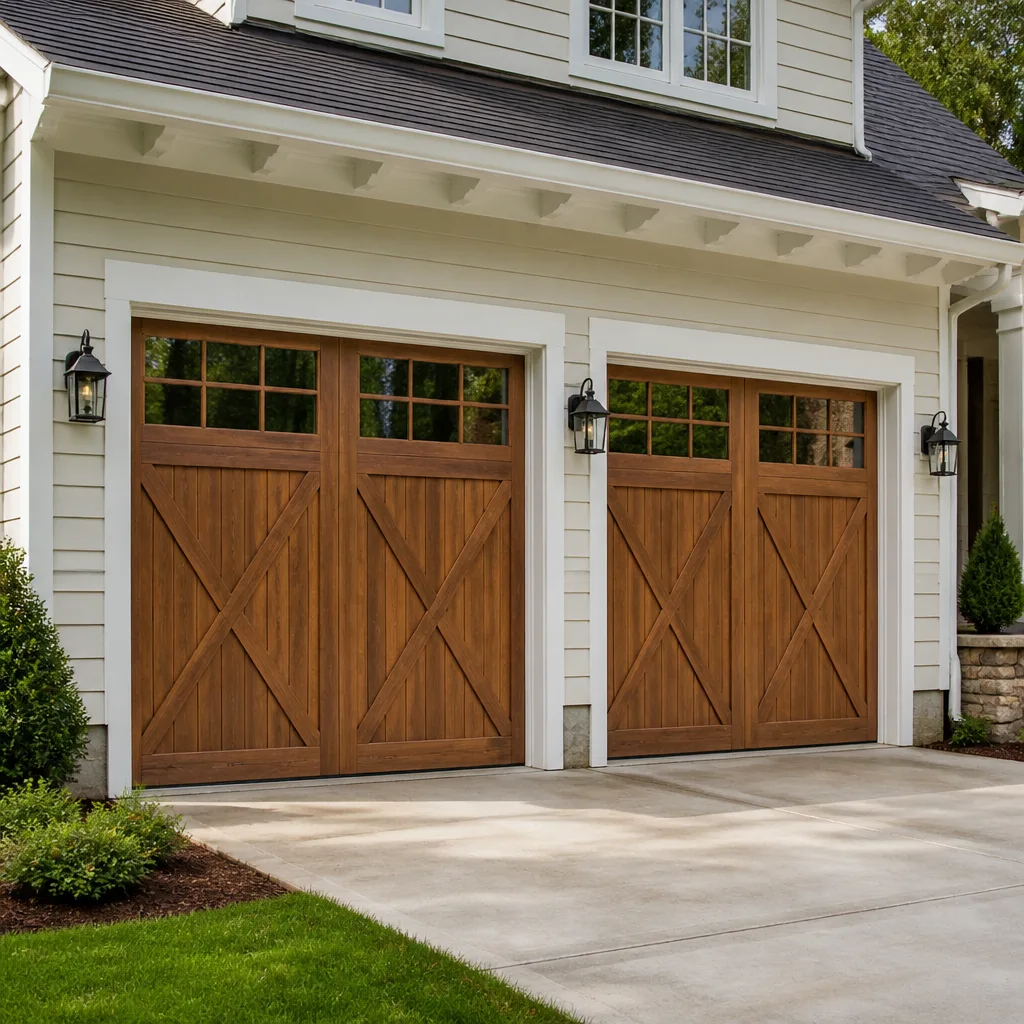 Carriage house
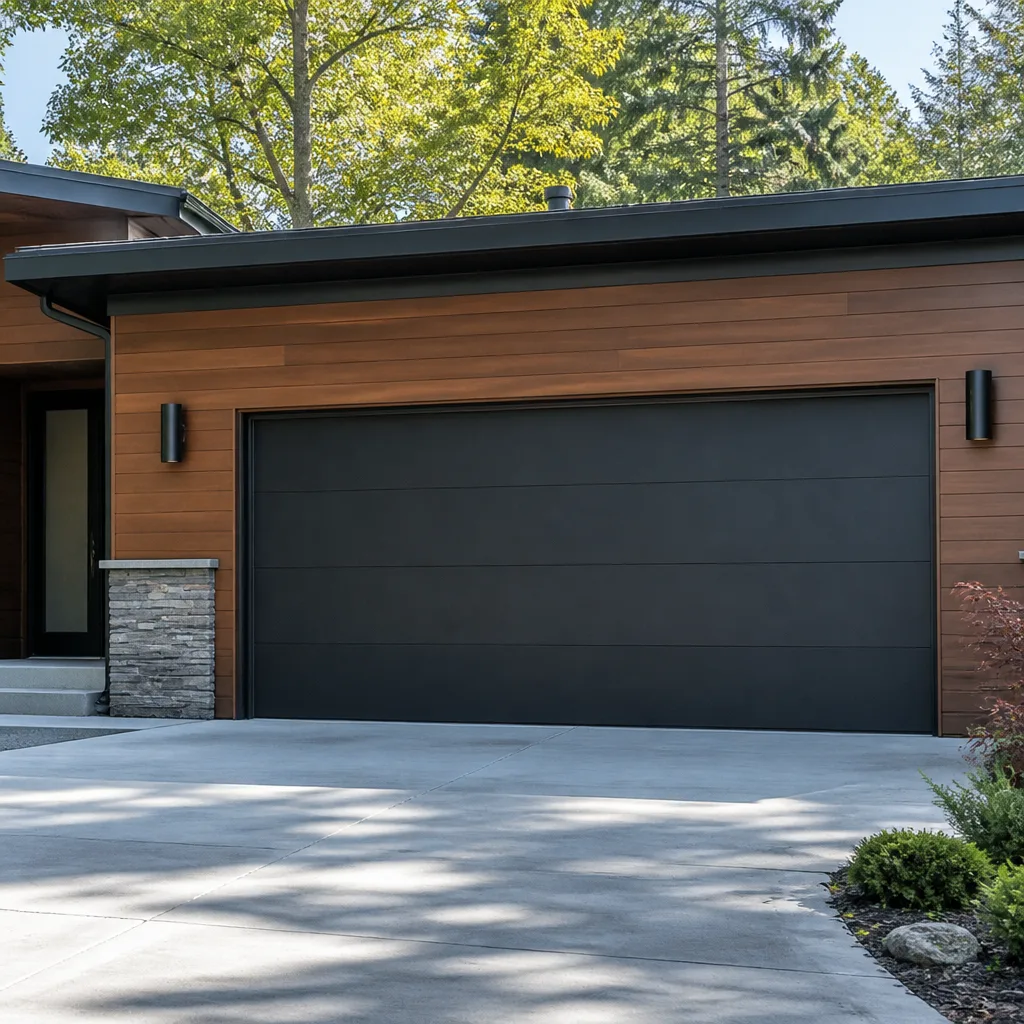 Modern flush
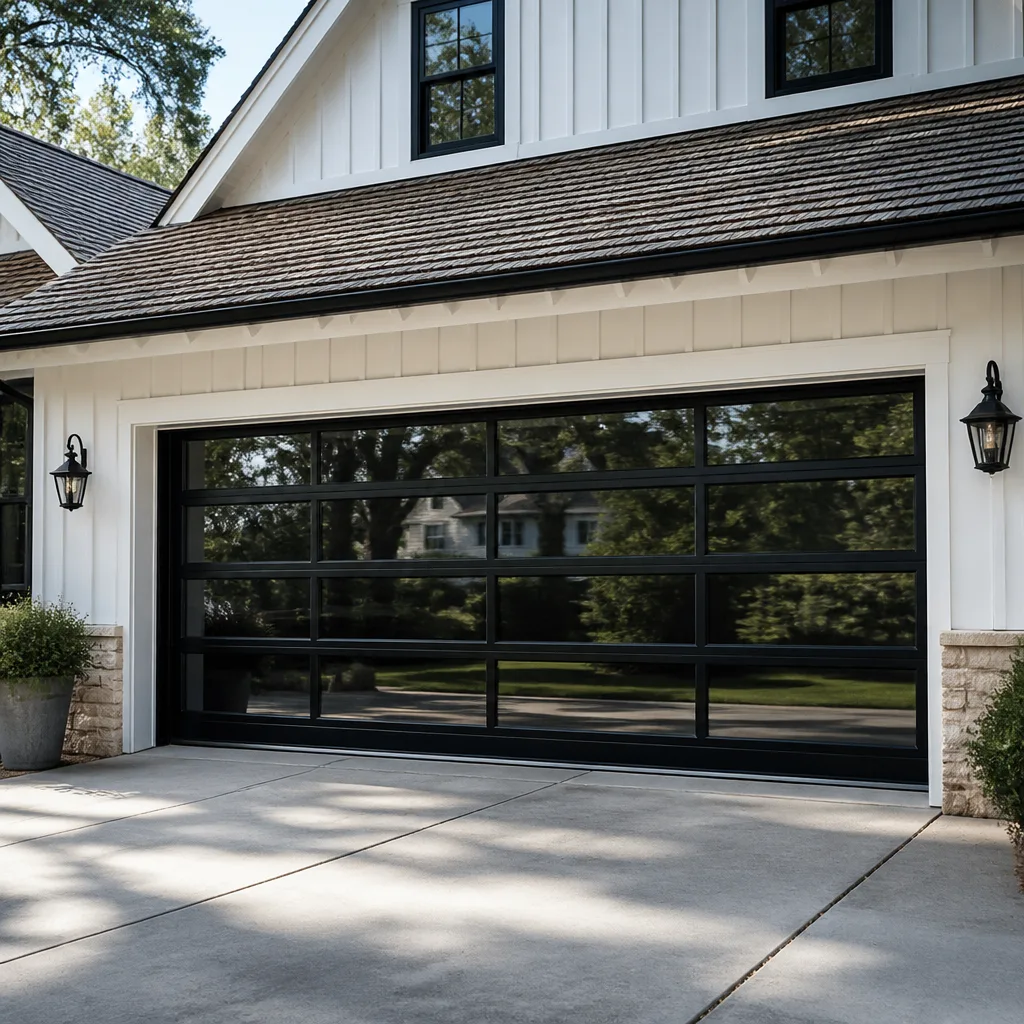 Full-view glass
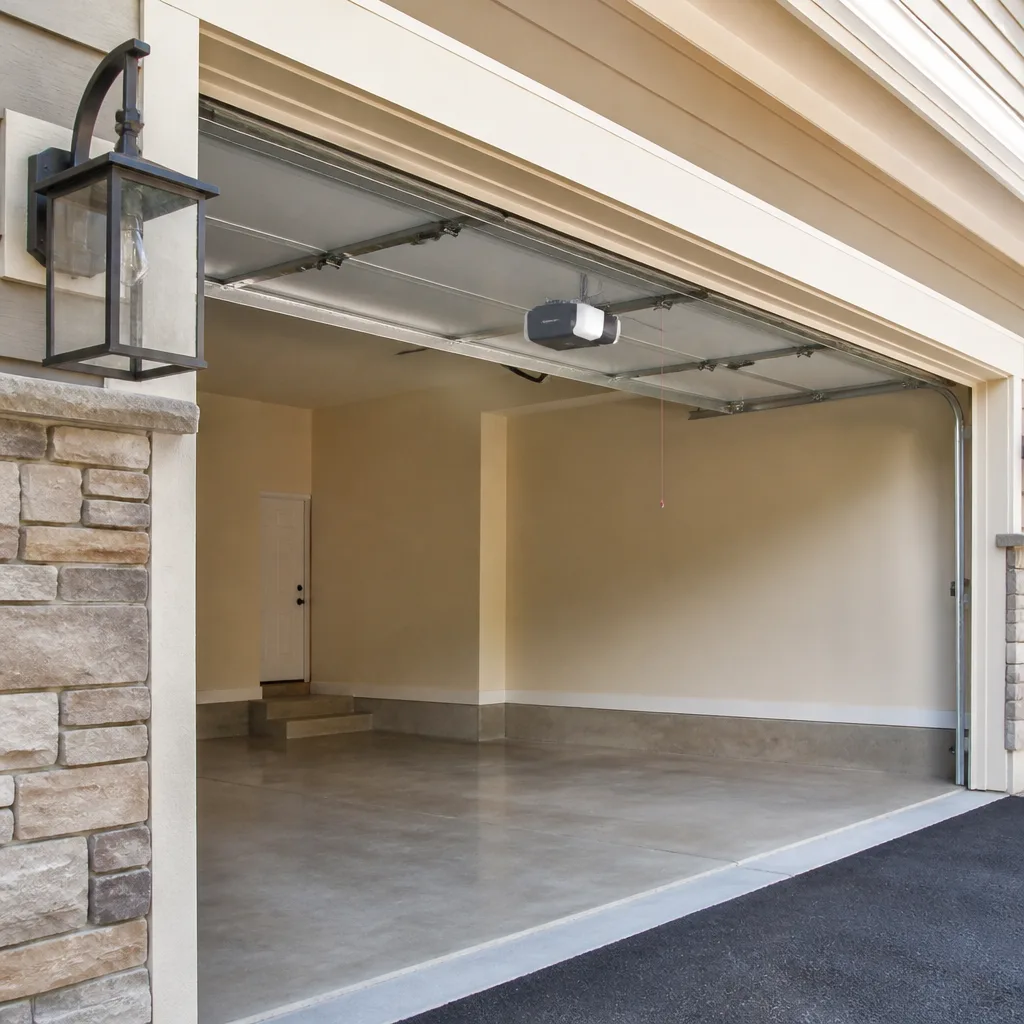 LiftMaster openers
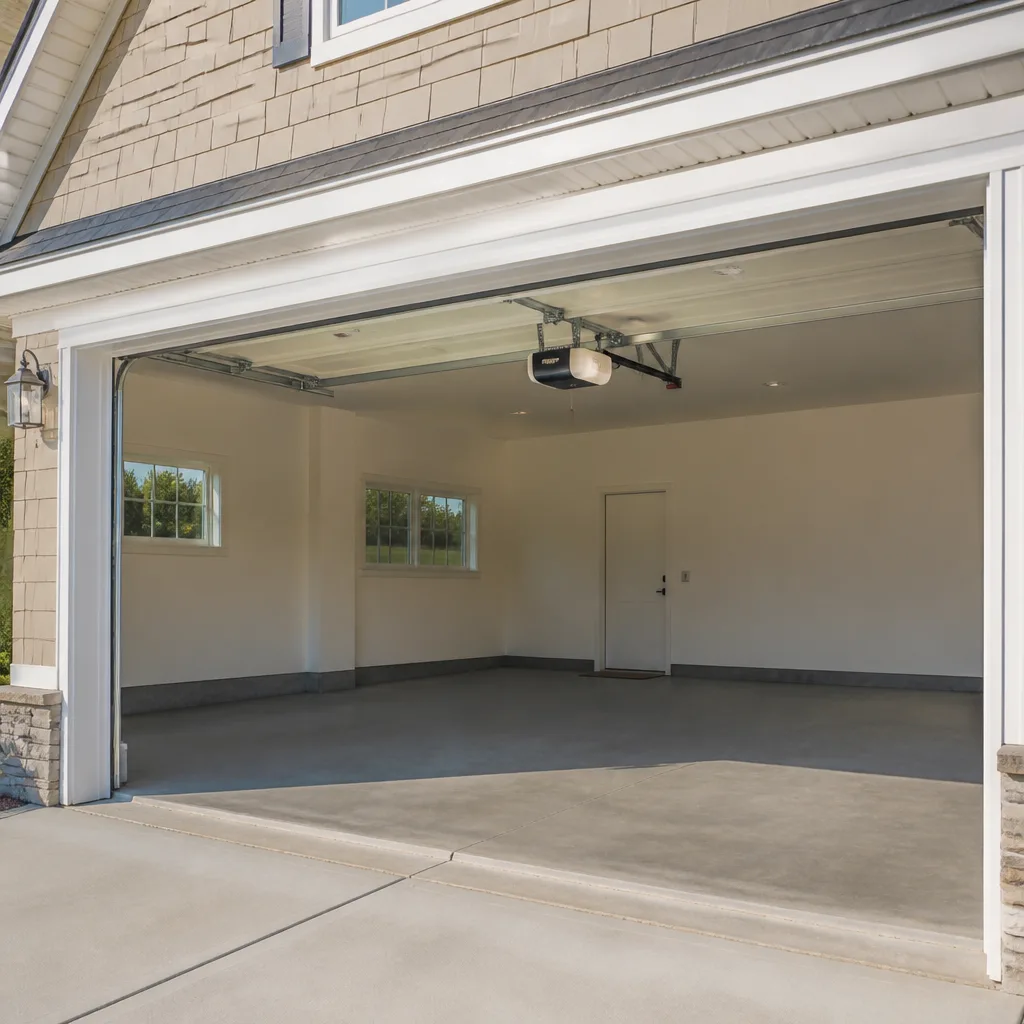 Chamberlain openers
Full 25-point door and opener safety check with every visit - springs, cables, rollers, tracks, and your LiftMaster or Chamberlain opener included
You get a price before we start. It does not change when the pro arrives.
Get your free estimateGarage Door Emergency Preparedness Guide for Germantown Homes
A garage door emergency rarely gets worse because of the door itself. It gets worse in the first fifteen minutes, when a homeowner is standing in a dark garage doing three understandable things that make the problem harder to solve. Not because they’re careless, but because nobody explained the sequence beforehand. A spring snaps and the door hangs, a car sits trapped inside, an opener dies with the panel half open and rain on the way. What you do in that first quarter hour decides whether the repair is a clean, single visit or a scramble that stretches into the next day. This guide walks you through the sequence for the four failures we see most in Germantown, how to work the emergency release without creating a second problem, what to tell a dispatcher so the right parts show up, and the two things to do now, before anything breaks.
Quick Answer
If your garage door fails, keep everyone clear of the moving parts, leave the door where it is unless you can safely secure it, and call a specialist rather than forcing it. For a stuck door, a trapped car, or an open door you can’t close, the right move is a call to (855) 752-3290, where we answer 24/7 and book a fast dispatch from 7am to 7pm, Sunday through Friday. The written estimate sets the price before any work starts, so nothing about the repair is a surprise.
Styles & brands we work with
- Raised-panel steel
- Carriage house
- Modern flush
- Full-view glass
- LiftMaster openers
- Chamberlain openers
Table of Contents
- Why Emergency Sequence Matters More Than Speed
- The Four Germantown Garage Door Emergencies and What to Do
- How to Use the Emergency Release Cord Without Making It Worse
- What to Tell the Dispatcher So the Right Parts Arrive
- Security When the Door Is Stuck Open Overnight
- Getting the Door to Seal Before a Storm
- The Two Things to Do Now, Before Any Emergency
- Why Springs and Cables Are Not a Homeowner Job
Why Emergency Sequence Matters More Than Speed
When something goes wrong with a garage door, the instinct is to move fast. Yank the release, haul the door up or down, get the car out. That instinct is the problem. A garage door is a balanced system under real tension, and forcing one part of it out of sequence puts load where it doesn’t belong. We’ve seen a door that could have been a straightforward garage door spring repair turn into a bent-panel replacement because someone dragged a door with a broken spring up the track by hand.
Sequence beats speed every time. The calm order is this: stop, secure, assess, then call. Stopping means keeping hands and kids and cars away from a door that’s hanging or half-open. Securing means doing what you safely can to keep the opening blocked or the door from dropping. Assessing means figuring out which of the four failures you’re looking at, because each has its own next step. Calling means reaching someone who works on nothing but garage doors, who can tell you what to do while help is on the way.
Germantown is full of two-car garages attached to the house, and many sit under bedrooms or a bonus room. A door that drops or a track that lets go isn’t just an inconvenience in that layout. Treat the first few minutes as a pause, not a race, and the whole emergency gets shorter.
One more thing that trips people up: a garage door emergency is rarely about the door looking broken. It’s about the door being unusable, unsecured, or unsafe to leave. A door that’s closed and staying closed, even with a dead opener, is not urgent. A door that’s open and won’t come down, or one that’s hanging by a cable, is. Sort your situation into one of those two buckets and you’ll know how much pressure you’re actually under.
The Four Germantown Garage Door Emergencies and What to Do
Nearly every emergency call we take in Germantown falls into one of four situations. The steps below are what to do, not how to repair the door yourself. In each case, the goal is to keep the situation stable and safe until a technician arrives, and to avoid the moves that turn a small fix into a big one.
1. Door Stuck Open
- Keep the car clear of the opening and don’t drive under a door that’s hanging unevenly.
- Look at the door and tracks from the side, not underneath. Note whether the door is level or one side is down.
- Don’t try to force it down. If it’s stuck open because a spring or cable has failed, pushing it can drop it hard.
- If it’s a dead opener and the door is balanced, you may be able to lower it by hand with the release pulled, but only if you can control the weight. If it feels heavy, stop.
- Call a specialist. An open door at night is a security problem and needs a real fix, not a propped panel.
2. Door Stuck Closed With a Car Inside
- Check whether the opener is getting power and whether the wall button responds. Sometimes it’s a tripped breaker or a dead remote battery, not the door.
- If the opener runs but the door doesn’t move, don’t keep cycling it. That’s a sign of a broken spring or a stripped gear, and repeated tries wear the opener.
- Locate the release cord. Pull it only when the door is fully closed and you understand what it does (see the release cord section below).
- If you can safely lift the door by hand after releasing it, lift it just enough to move the car out, then lower it carefully.
- Call for repair. A door you’ve released stays disconnected from the opener until a technician resets it.
3. Door Won’t Seal Before a Storm
- Look along the bottom of the door for daylight. That gap is where wind-driven rain gets in.
- Check the weather seal and the bottom bracket. A torn seal or a bent bracket is common and is a repair, not an emergency in itself.
- If the door is closing unevenly or stopping short, don’t force it down against an obstruction. That bends panels.
- Move anything stored near the door opening back a few feet, and protect what’s on the floor.
- Call to schedule the seal or adjustment. If the door won’t close at all and the storm is coming, tell the dispatcher so it’s treated as urgent.
4. Opener Dead With No Manual Override
- Confirm it’s truly dead: try the wall button, the remote, and the breaker.
- Find the release cord and the trolley. If the cord is missing, tangled, or the trolley is jammed, don’t force anything.
- Don’t cut or disconnect the opener arm yourself. That arm carries the door’s weight once the trolley is released.
- Keep the opening blocked if the door is up.
- Call. An opener failure is one of our routine garage door opener repair calls, and we work on the major brands, including LiftMaster and Genie.
How to Use the Emergency Release Cord Without Making It Worse
The release cord is the part of a garage door most homeowners misunderstand. It disconnects the door from the opener so you can move it by hand. Used correctly, it lets you get a car out of a stuck-closed garage. Used wrong, it lets a door drop, or leaves the door disconnected so the opener runs uselessly and the technician has to undo your work before starting theirs.
Here’s what actually matters. The release should only be pulled when the door is fully closed or fully open, not halfway, and never when the door is under load from a broken spring. If the door is heavy, the release won’t make it lighter, it just removes the opener’s hold. Stand to the side, not under the door, and never let a child pull it.
Once you’ve pulled the release, the door is manual. That means the opener will run but move nothing, and the door won’t lock itself back to the trolley when you push the button again. It has to be reconnected by hand, and it’s easy to reconnect it wrong so the door jams at the travel limit. That’s the second problem we see most: a released door that then won’t re-engage cleanly.
If you pull the release and the door still won’t move, stop. A door stuck with a broken spring or a bent track won’t become movable by pulling harder. Put it back if you can, secure the opening, and call. Our technicians know exactly how these trolleys and arms are supposed to reconnect, whether it’s a Chamberlain, Raynor, or any of the other brands we service. Reconnecting is quick for someone who does it every day, and it’s the kind of small reset that keeps small problems small.
What to Tell the Dispatcher So the Right Parts Arrive
The single biggest time-saver in a garage door emergency is a good phone call. When you reach us, we’re trying to figure out three things: what failed, how big the door is, and what brand of opener or door you have. Give us those and the technician arrives with the right parts instead of making a second trip.
Have this ready before you dial:
- The door’s position. Up, down, halfway, or hanging.
- The door type. Sectional (horizontal panels), one-piece tilt, or rolling. Roughly how wide and how tall.
- The brand if you know it. LiftMaster, Chamberlain, Genie, Clopay, Amarr, Wayne Dalton, Craftsman, Raynor, or a brand you can read off the opener or the door’s edge label.
- What you’ve already tried. Pulled the release, checked the breaker, tried a second remote, lifted by hand.
- The symptom in plain words. “The opener hums but nothing moves,” or “the door goes up crooked,” or “a loud bang and now it won’t lift.”
- Your address and how to reach you. Some Germantown developments have similar street layouts, so a quick landmark helps.
A “loud bang” is worth flagging specifically, because in most cases it means a spring broke, and that changes what the technician brings and how they approach the job. The same goes for a door that moves crooked, which points to a cable or track issue. The more precisely you describe the symptom, the fewer guesses we make on the road. We answer 24/7, and fast dispatch runs from 7am to 7pm, Sunday through Friday. A call outside those dispatch hours gets booked into the next opening, so it’s never lost.
Security When the Door Is Stuck Open Overnight
An open garage door overnight is the situation that worries homeowners most, and it’s worth being clear about what actually helps. Opportunistic entry is deterred by making the opening look occupied, lit, and hard to walk into. It is not deterred by hope, by a note, or by a decorative prop that a person can simply step around.
What actually helps:
- Light. Exterior motion lights and an interior light left on make the open garage visible and unwelcoming.
- A physical barrier you can still see over. Park a car across the opening if it’s safe, or place a sturdy object at the mouth of the garage. A folding chair or a cardboard box gives false comfort. A car, a heavy trash cart, or stacked bins do not.
- Move valuables inward. Pull power tools, bikes, and anything portable deeper into the house or into a locked interior door.
- Lock the interior door. The door from the garage into the house is the one that matters most. Check it and lock it.
- Tell a neighbor. A watched house is a deterrent. Ask someone to keep an eye toward your garage.
What gives false comfort: a closed but unlocked interior door, a “beware of dog” sign when there’s no dog, a motion light that’s burned out, and the assumption that the alarm system covers the garage when it may only cover the house. Check that. Then get on the schedule for a repair. An open door that can be fixed is a fix, not a permanent condition, and leaving it open multiple nights is when real risk climbs.
Getting the Door to Seal Before a Storm
Germantown sits where summer thunderstorms and winter wind-driven rain arrive with little warning, and an unsealed garage door lets water in along the whole bottom edge. That water finds the stuff on the floor first: boxes, tools, holiday bins, the lawn mower. Then it works at the bottom panel and the base of the door, where pooled water causes problems over time.
The seal along the bottom of a sectional door is a rubber or vinyl strip, and it wears out. So does the bottom bracket and the aluminum retainer that holds the seal. If you can see daylight under the door, the seal isn’t doing its job. Check it before storm season rather than during a downpour, because a door that won’t close properly under wind load is far harder to fix in a hurry.
If a storm is already coming and the door won’t close all the way, resist the urge to jam something under it or tape the edges. Those “fixes” bend panels or defeat the safety reverse, which is the sensor that stops the door from closing on a person or pet. Better to close it as far as it will safely go, protect what’s on the floor, and call. A seal replacement or a small adjustment is a fast job when scheduled ahead of the storm. When it’s not, and water is already coming in, we treat it as urgent and get you on the schedule.
The Two Things to Do Now, Before Any Emergency
The best garage door emergency is the one you never have. There are exactly two things worth doing before anything fails, and both take only a few minutes.
- Test the safety reverse. Put a roll of paper towels or a piece of wood flat on the floor in the door’s path and close the door with the wall button. The door should reverse when it contacts the object. If it doesn’t, stop using the opener and get it serviced, because that sensor protects people and pets. Do this once a month, and again before the seasons turn.
- Find and label the release cord, and write down your door and opener brands. Take a photo of the opener’s model sticker and the label on the door’s edge, and keep it on your phone. That photo, plus knowing exactly where the cord hangs, turns a confused midnight into a clean call. Our technicians have up to 9 years of experience and are factory-trained on eight major brands, including LiftMaster, Chamberlain, and Genie, and a model photo can shave real time off a diagnosis.
While you’re out there, look and listen. A door that shudders, squeaks, or pauses on the way up is telling you something is loosening. Springs that look stretched or have a visible gap are past their life. Cables that are frayed at the drum are a real hazard. None of these are emergencies yet, and catching them now is the whole point of preparation. If you spot any of them, a scheduled repair today beats an emergency repair later.
Why Springs and Cables Are Not a Homeowner Job
We’ll be direct about this: torsion and extension springs and the cables and drums attached to them hold the entire weight of the door, and they store serious energy. When a spring lets go, it can do so violently. That’s why a broken spring or a snapped cable is the one garage door problem where we actively tell homeowners to stop and call rather than attempt anything beyond securing the opening.
What to do if you suspect a spring or cable failure: don’t touch the springs, don’t try to wind or unwind anything, don’t run the opener again, and keep the area clear. If the door is hanging or one corner has dropped, keep people and cars out from under it. The rest is best left to a trained technician with the right tools and hardware. Our garage door spring repair work is a standalone specialty for exactly this reason, and it’s the repair most often botched by someone trying to save a call.
A small number of moves save the day, like pulling the release to move a car or testing the safety reverse. A whole other category of moves, anything involving springs and cables, is where a careful homeowner stops. That line is worth remembering.
Common Mistakes to Avoid
- Pulling the release cord while the door is under load. If the door is halfway and a spring is broken, the release can let it drop. Wait until the door is fully closed or fully open, or leave it for a technician.
- Forcing a stuck door up or down. Shoving a door with a broken spring or bent track bends panels and racks the tracks, which turns a repair into a replacement.
- Repeatedly cycling a dead opener. If the opener hums but the door doesn’t move, each try wears the gear and motor. Test once, then stop.
- Taping or jamming the bottom edge to seal a storm gap. It can defeat the safety reverse and won’t hold against wind. Fix the seal properly.
- Propping an open door with something flimsy. A chair or box feels like a barrier but isn’t. Use a car or heavy object, or lock up and call.
- Calling without the door and opener brands. In Germantown, where a lot of homes have similar setups, the brand and model photo are what let us bring the right part the first time.
- Assuming it’s just the remote. Dead remotes are common, but so are dead safety sensors and worn gears. If two remotes and the wall button all fail, it’s not the remote.
See the difference
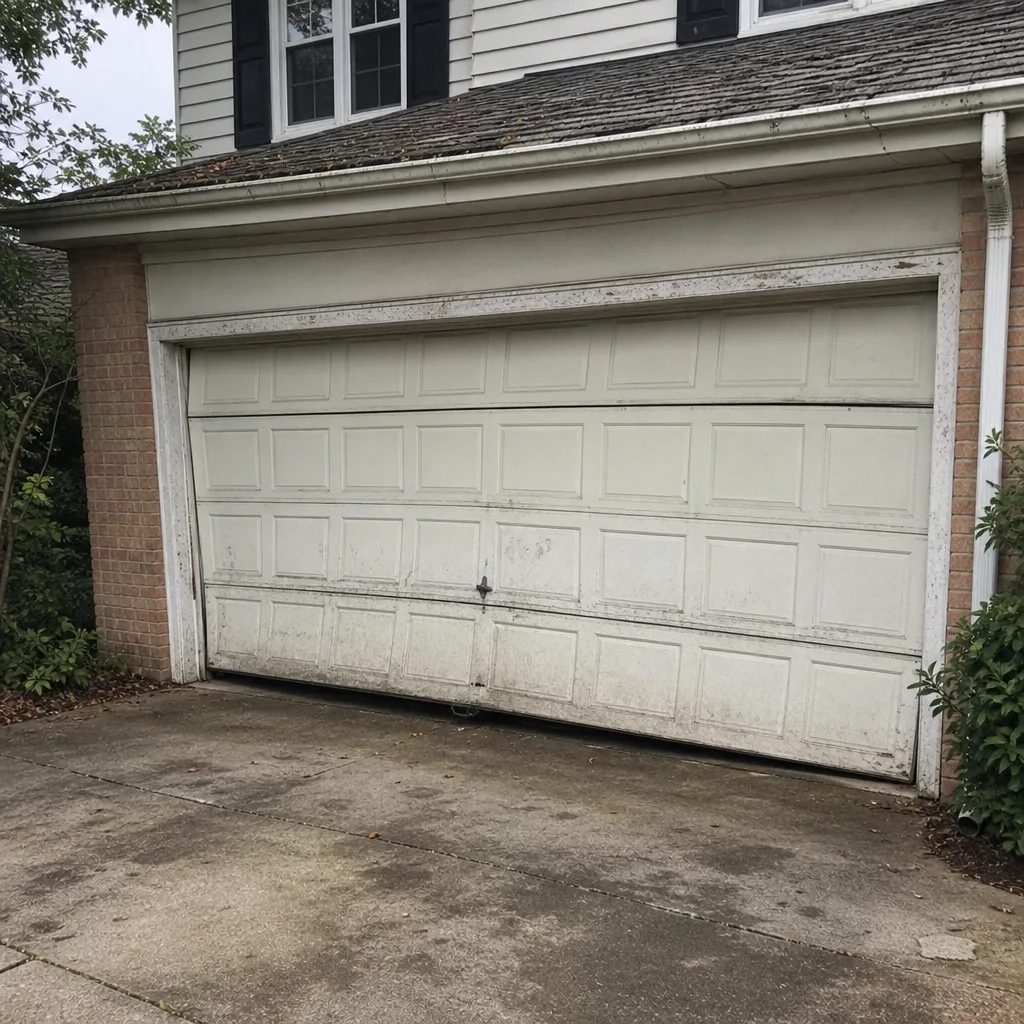 Before
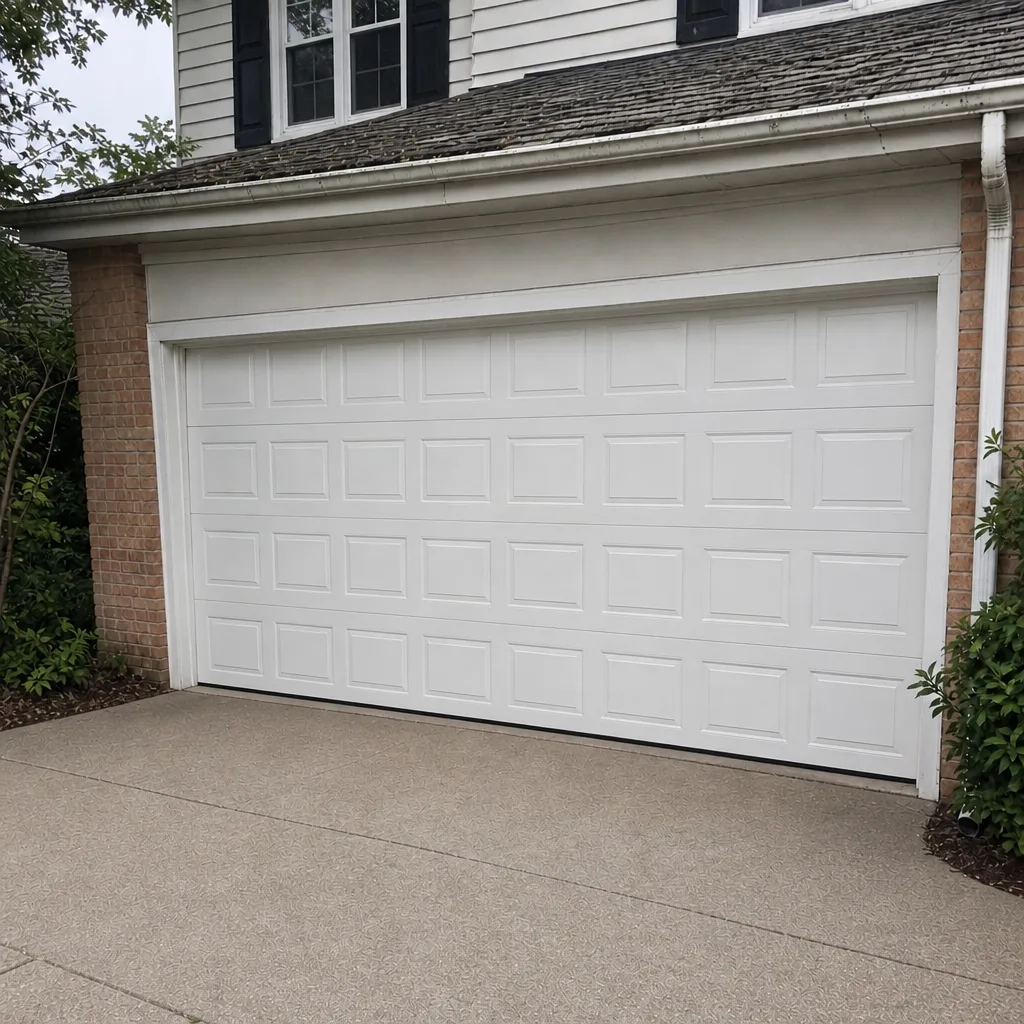 After
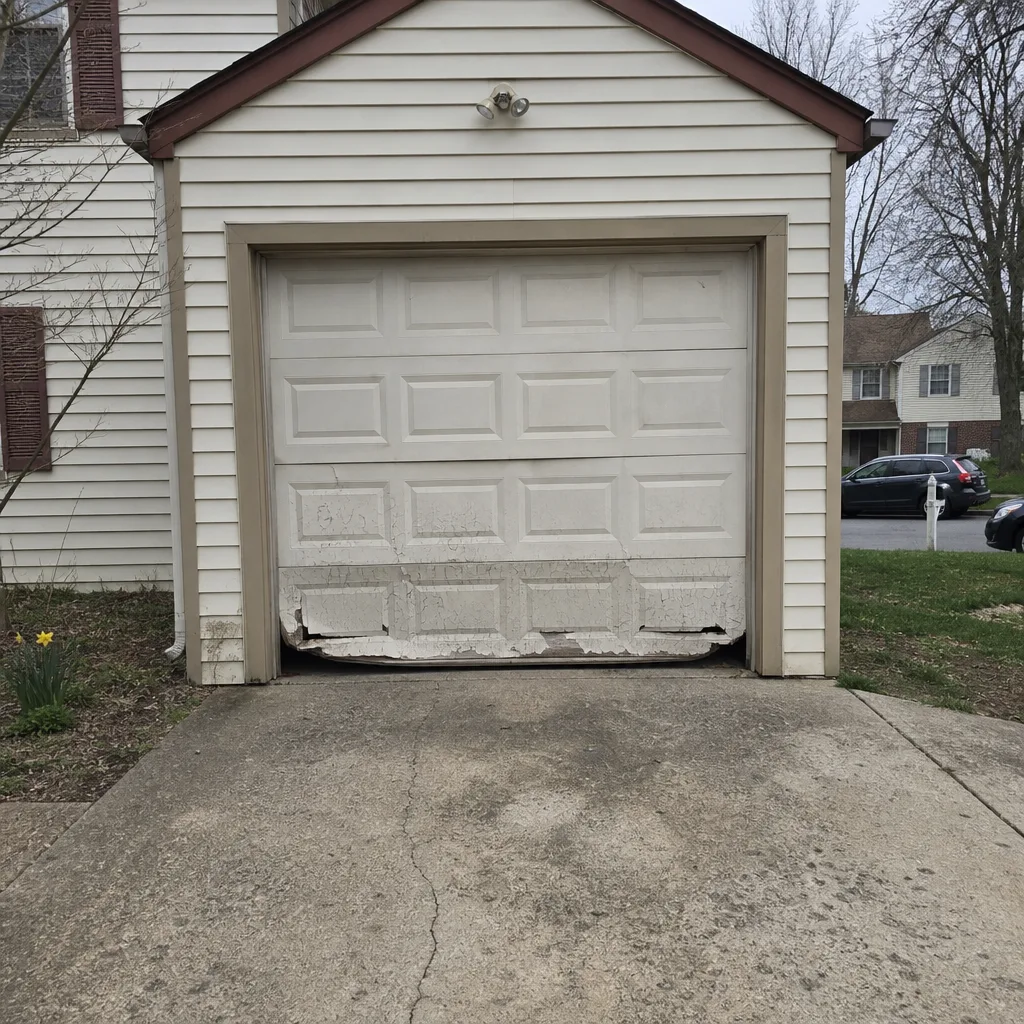 Before
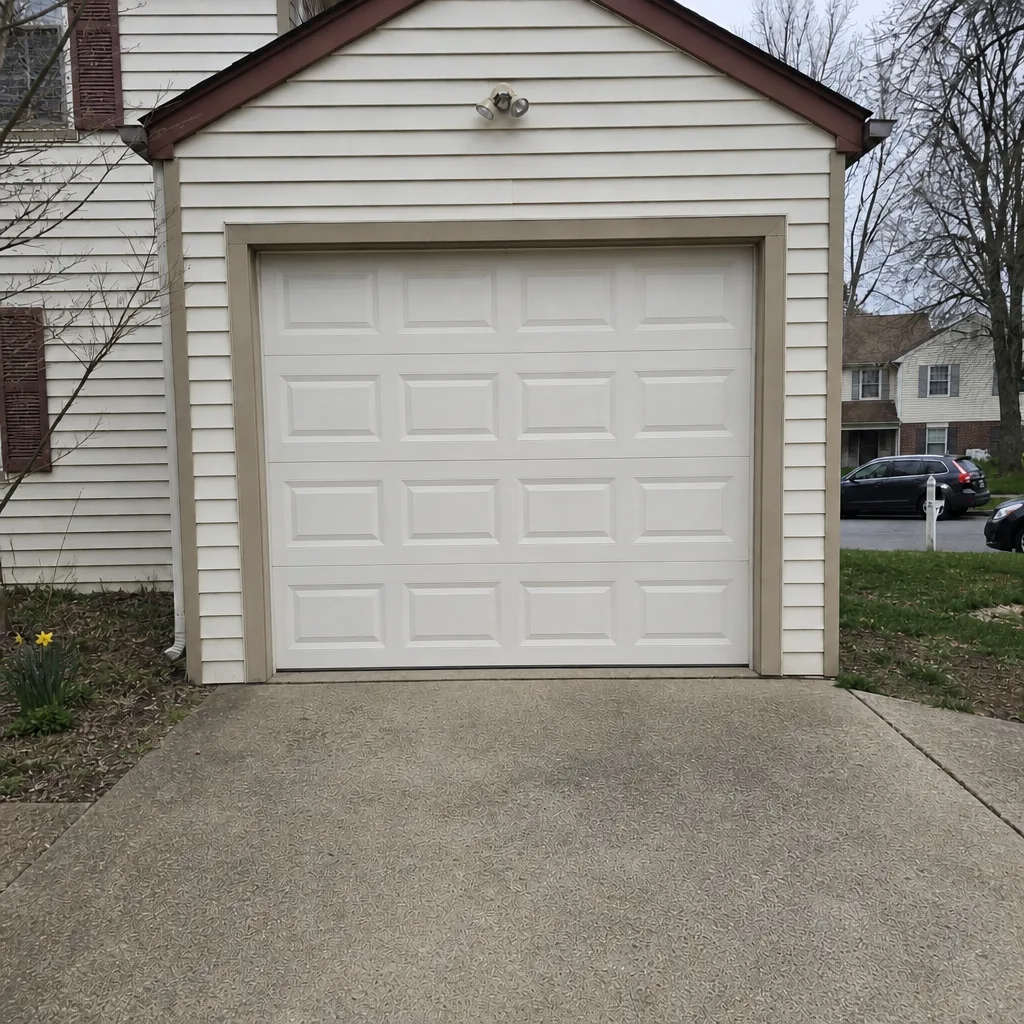 After
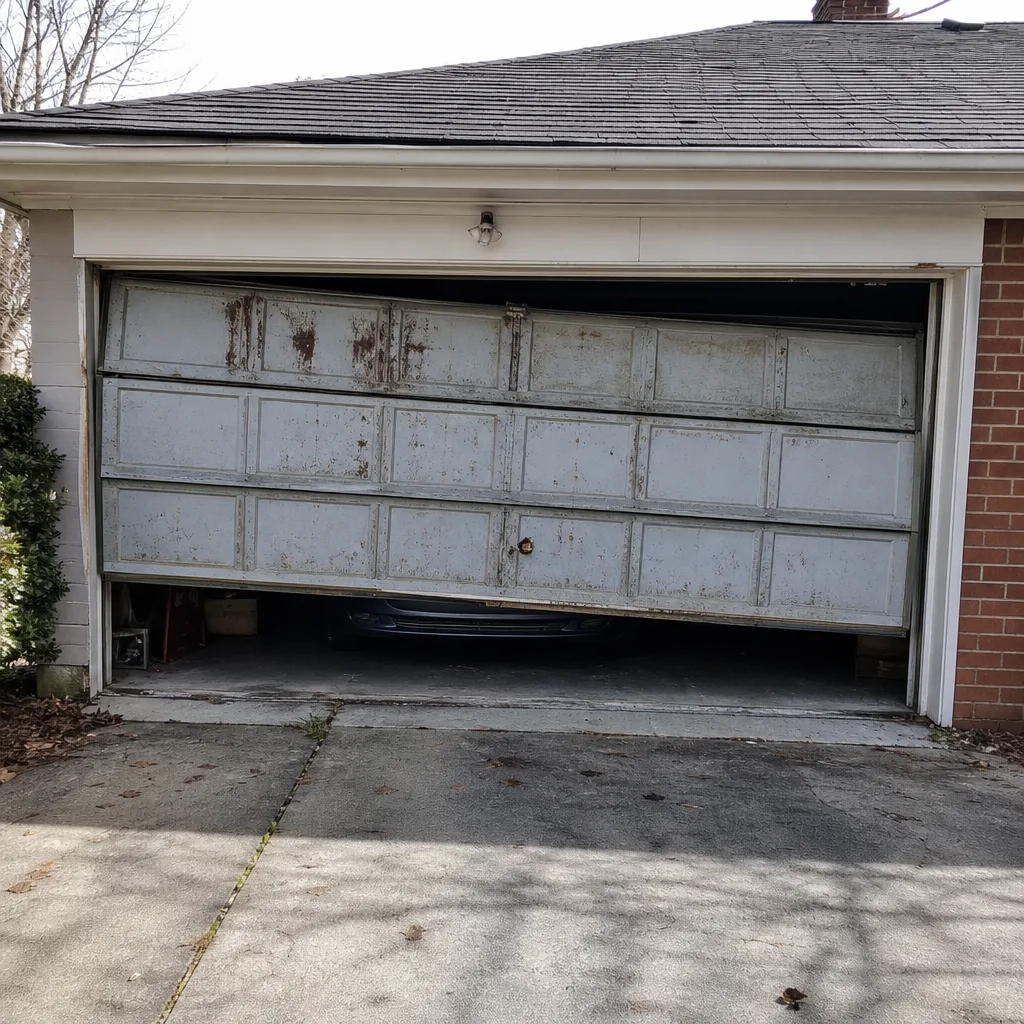 Before
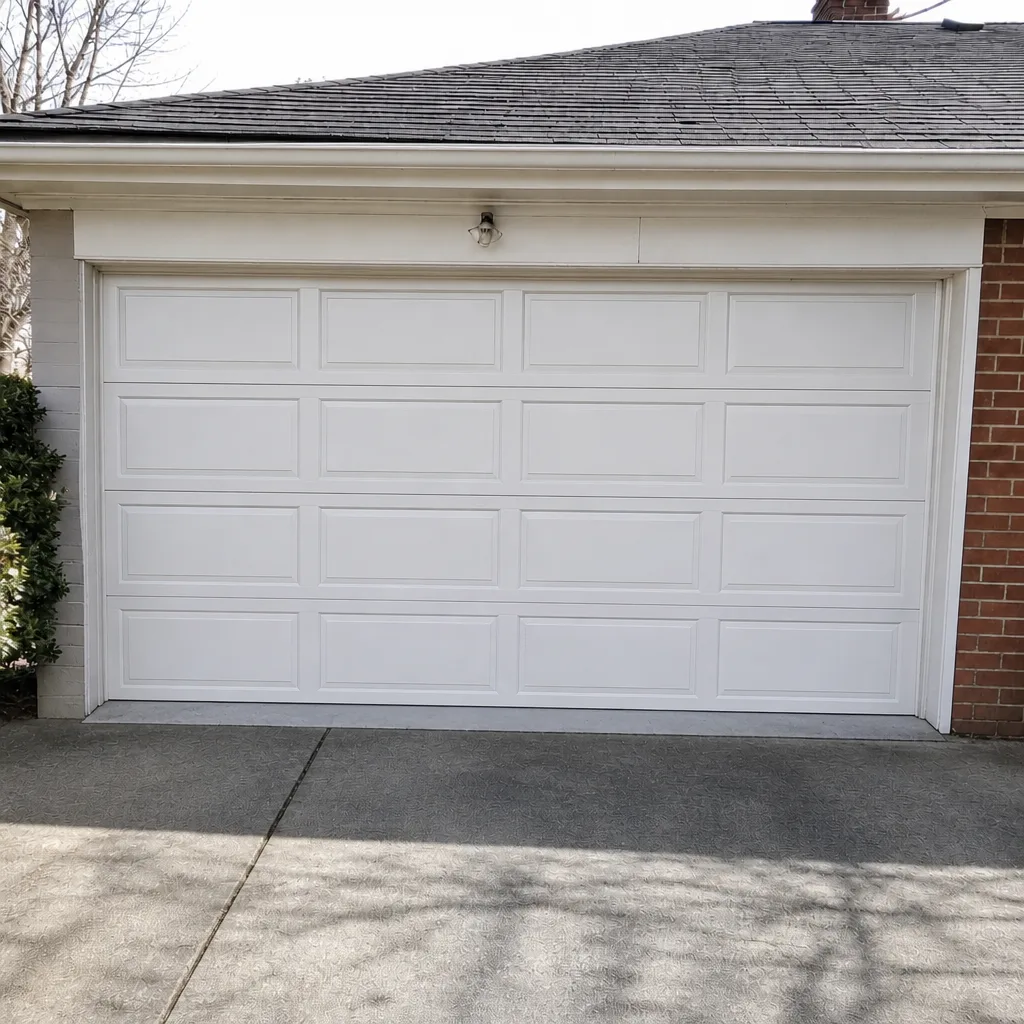 After
When to Call a Professional
Call a specialist rather than handling it yourself whenever the door is unusable, unsecured, or unsafe. That includes a door stuck open overnight, a car trapped inside, an opener that won’t respond to any button, a door that moves crooked or hangs on one side, and any sign of a broken spring or frayed cable. Those are the situations where a few minutes with a trained technician prevents a much bigger repair.
The smaller stuff is also worth a call, just less urgently: a door that squeaks, a seal that leaks, a remote that works only up close, or a door that reverses on its own. Catching those early is cheaper and calmer than waiting.
Garage Door Repair Germantown offers free estimates in Germantown. Call (855) 752-3290. We answer 24/7, with fast dispatch from 7am to 7pm, Sunday through Friday. The price is quoted and agreed before any work starts, and the written estimate sets the final price.
Frequently Asked Questions
Check the power and the wall button before anything else, then keep everyone clear of the door and don’t force it. If the opener runs but the door doesn’t move, stop cycling it, because that points to a broken spring or a stripped gear. Call (855) 752-3290 and we’ll walk you through securing the opening. Estimates are free.
Spring repair pricing depends on the spring type and whether it’s a single spring or a matched pair, which is usually replaced together. Because the price is set per job, the written estimate you get is the number that counts, and we quote and agree it before any work starts. Call (855) 752-3290 for an exact quote. Estimates are free.
Yes. Emergency garage door service is a dedicated offering, and same-day repair is available. We answer 24/7, and fast dispatch runs from 7am to 7pm, Sunday through Friday. A call outside those dispatch hours is booked into the next opening. Call (855) 752-3290 and we’ll get you on the schedule.
Only when the door is fully closed or fully open and not under load from a broken spring. Pulling it halfway can let the door drop. If you’re not sure, leave it and call (855) 752-3290, and a technician will reset or reconnect it correctly. The estimate is free.
Light the area, block the opening with a car or heavy object, move valuables inside, and lock the interior door into the house. A chair or a note won’t deter anyone, but light and a real barrier do. Then call (855) 752-3290 to get the door fixed. We answer 24/7.
We’re factory-trained on eight major brands, including LiftMaster, Chamberlain, Genie, Clopay, Amarr, Wayne Dalton, Craftsman, and Raynor. That means a technician can bring the right parts for the most common systems. Our technicians have up to 9 years of experience. Call (855) 752-3290 for a free estimate.
The Bottom Line
A garage door emergency in Germantown comes down to sequence, not speed. Stop, secure the opening, figure out which of the four failures you’re facing, and call someone who works only on garage doors. Use the release cord only when the door is fully open or closed, keep a photo of your door and opener brands on your phone, and test the safety reverse once a month. Those two habits before an emergency make the midnight failure far less stressful. For anything beyond the basics, call the specialists. One call covers repair, opener repair, spring repair, and a new door, so you don’t need to find anyone else. Call (855) 752-3290 for a free estimate. We answer 24/7. Fast dispatch from 7am to 7pm, Sunday through Friday.
Written by the team at Garage Door Repair Germantown.