
Last updated November 23, 2026
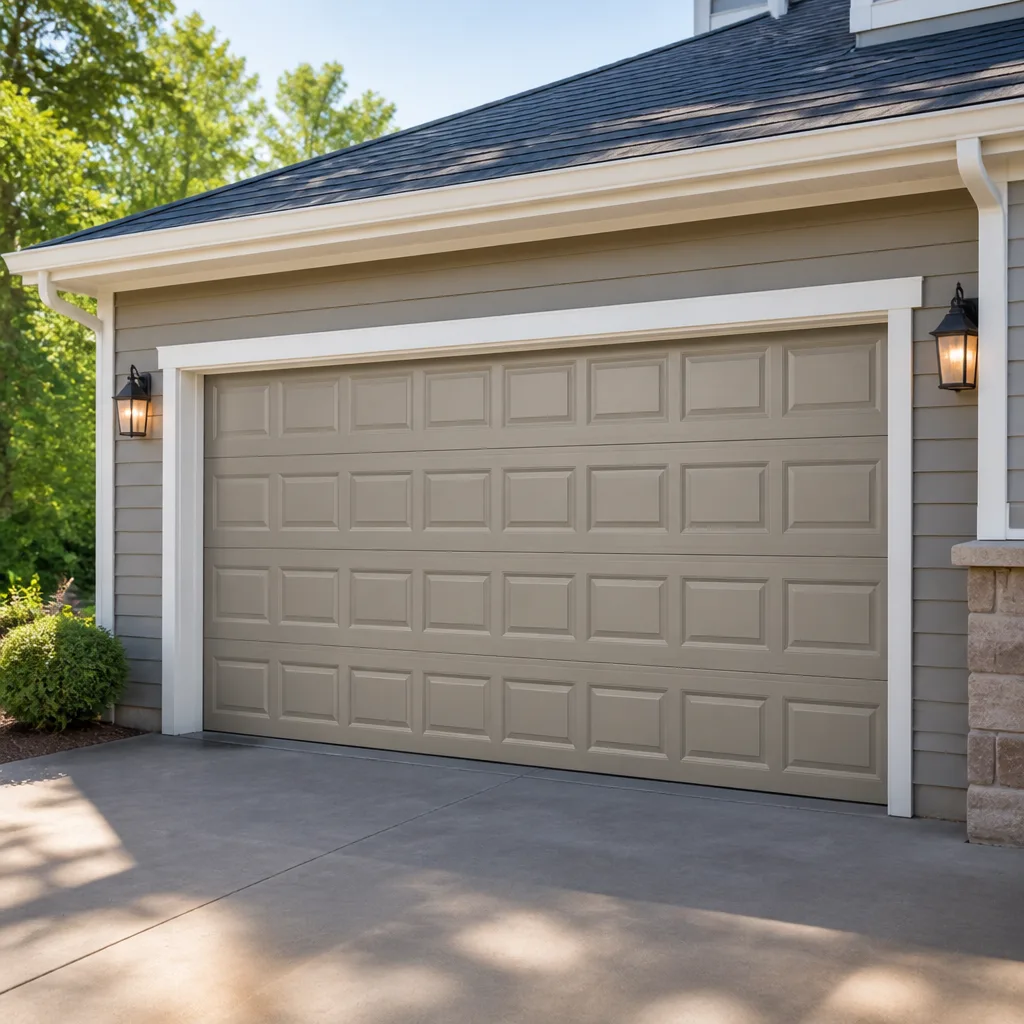 Raised-panel steel
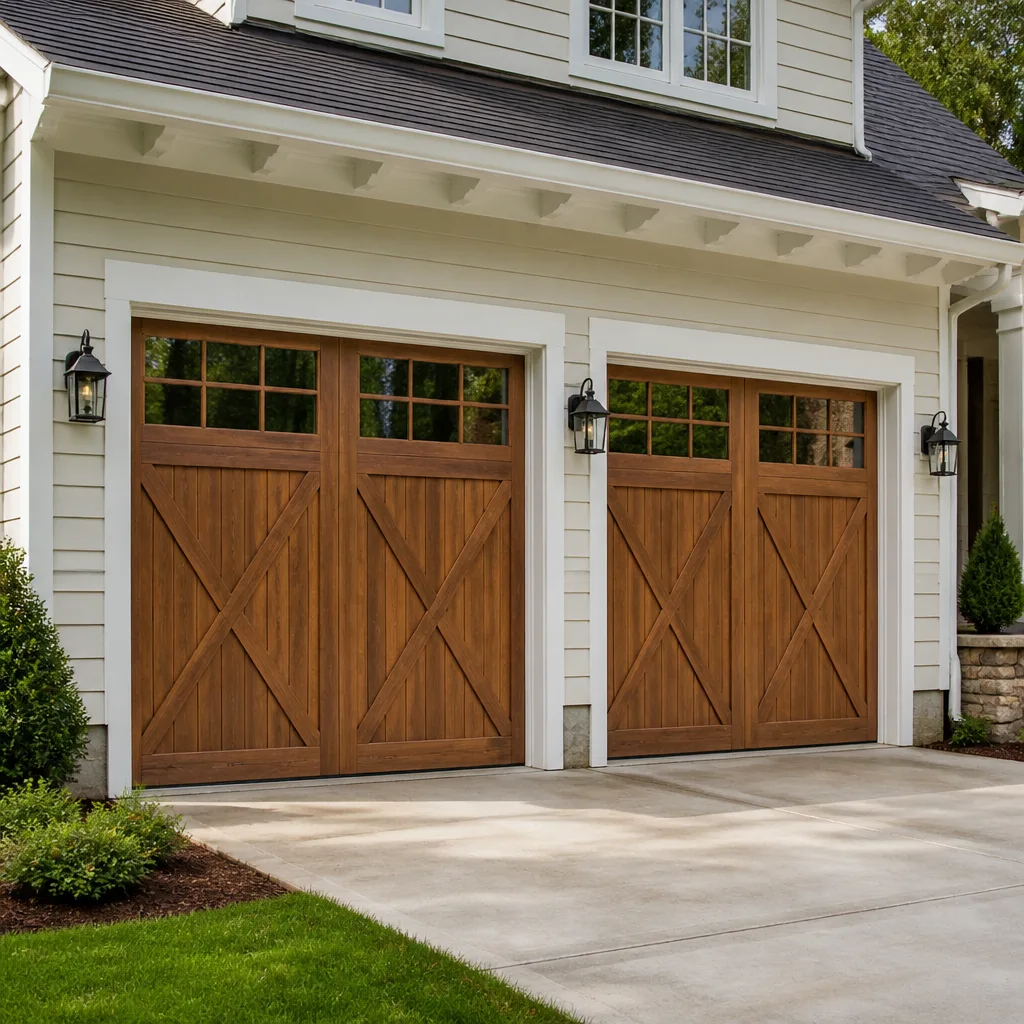 Carriage house
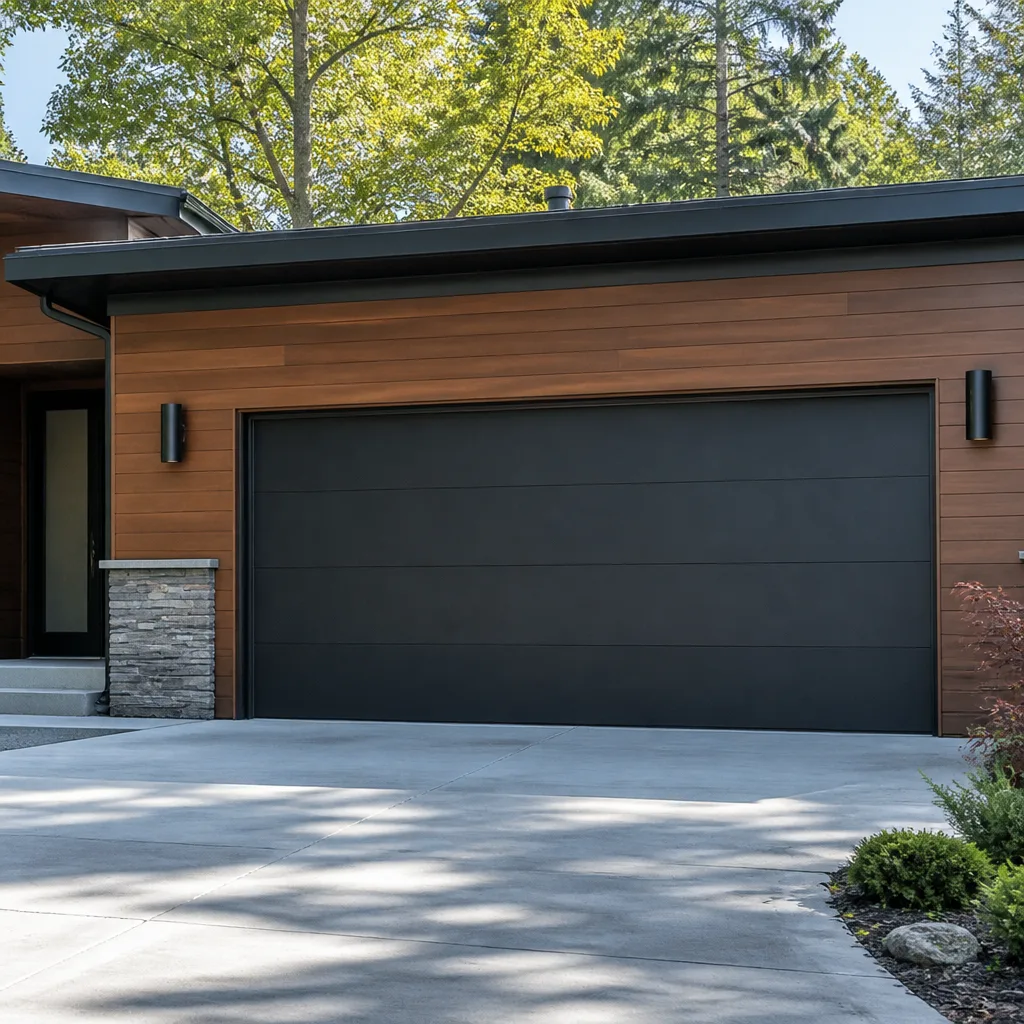 Modern flush
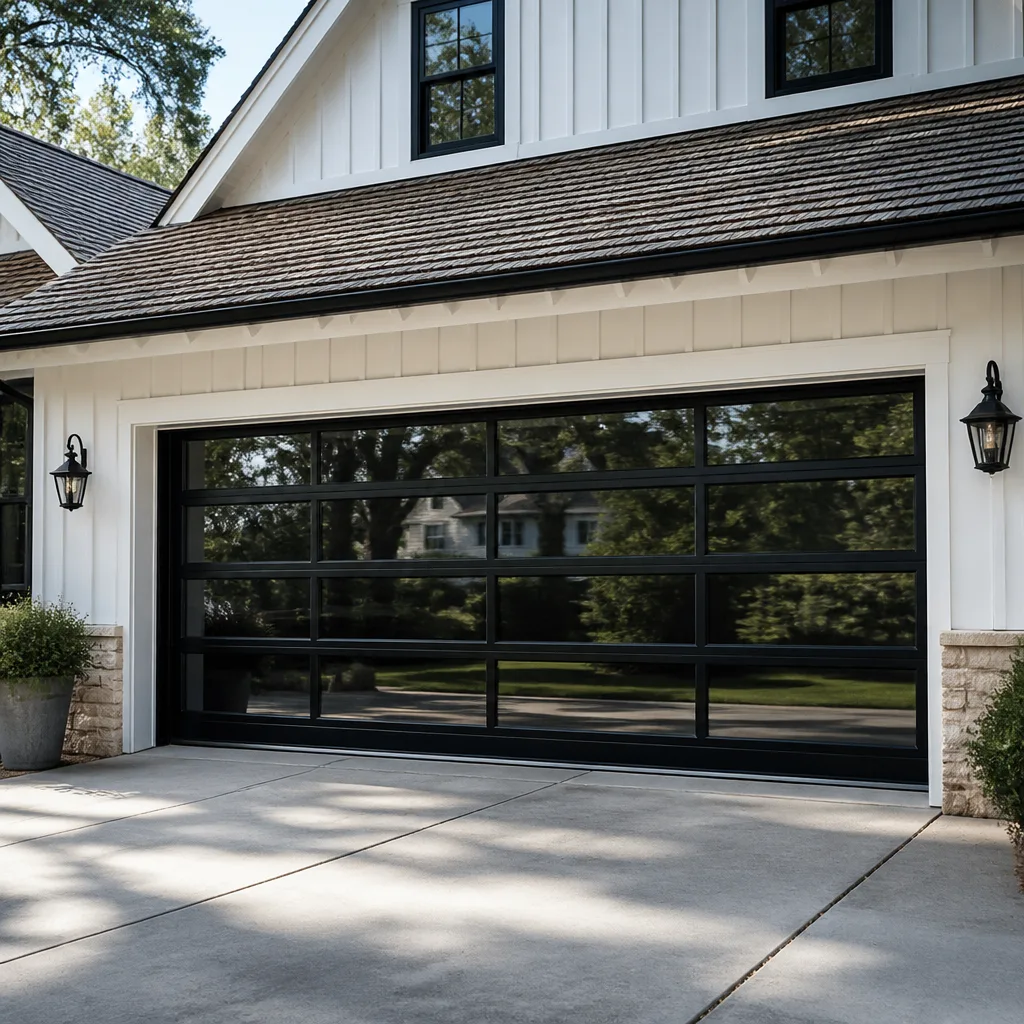 Full-view glass
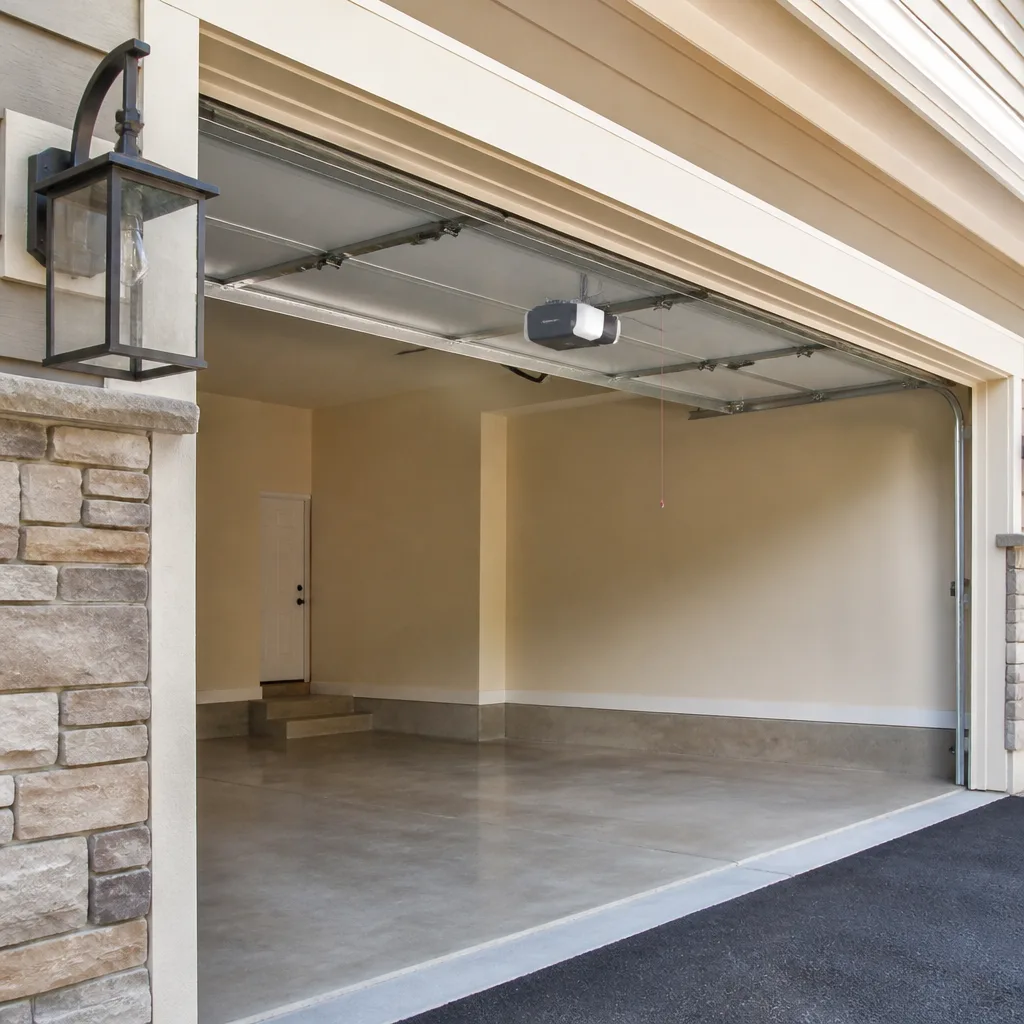 LiftMaster openers
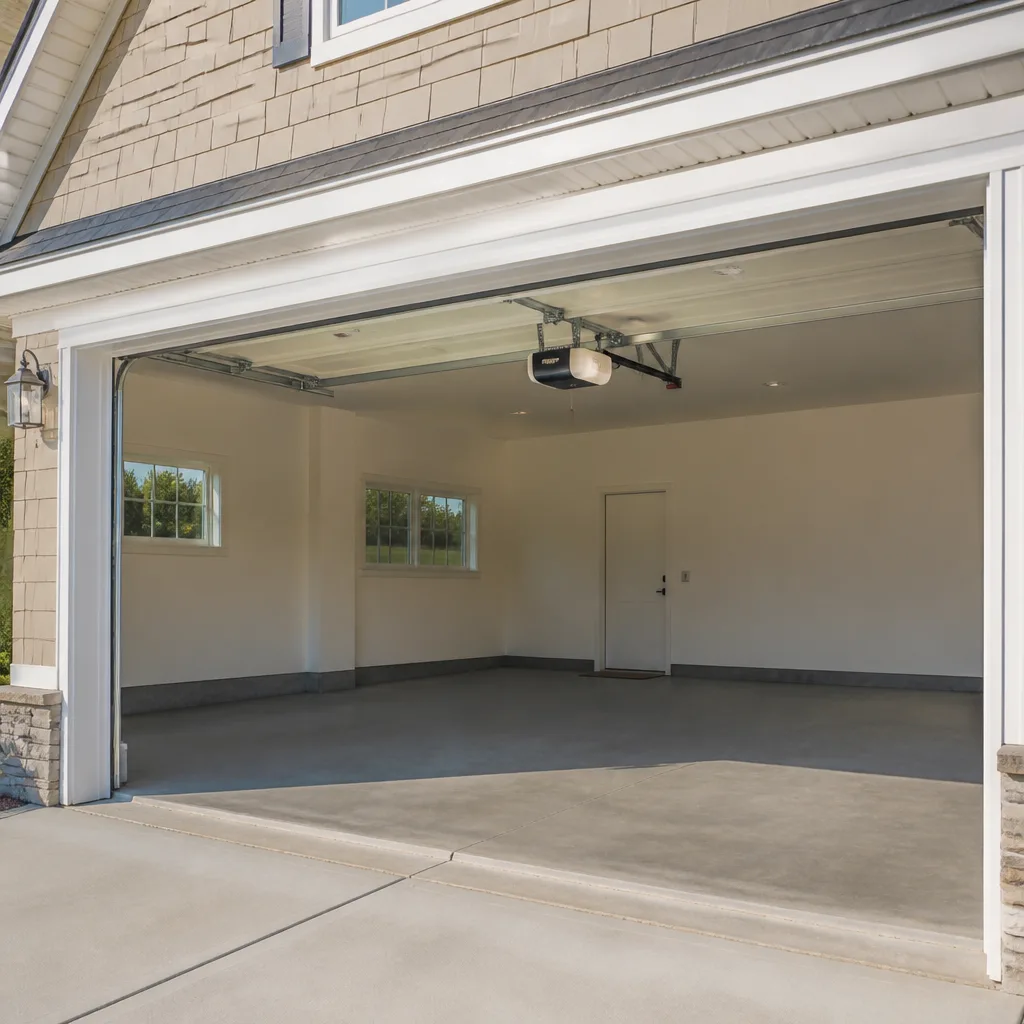 Chamberlain openers
Full 25-point door and opener safety check with every visit - springs, cables, rollers, tracks, and your LiftMaster or Chamberlain opener included
You get a price before we start. It does not change when the pro arrives.
Get your free estimateGarage Door Repair Maintenance Checklist for Germantown Homeowners
Technicians working Germantown routes notice the same pattern: homeowners who call for an “emergency” repair almost always had a warning sign they didn’t recognize three to six months earlier. A torsion spring that had begun to stretch. A cable that had gone slack in the cold. An opener chain that had started slapping against its rail. None of those are subtle once you know what you’re looking at, but most homeowners have never been told what to look for. This guide is built around the actual failure patterns we see on Germantown service calls, ranked by how often each issue shows up, not alphabetized or grouped by component like most online checklists. You’ll learn which five-minute checks catch the expensive problems early, which items need more attention here than the manufacturer’s generic schedule suggests, and what “normal” versus “call someone” really sounds like.
Quick Answer
A garage door maintenance checklist for Germantown homeowners should prioritize six items in order of failure frequency: torsion spring inspection (visual only), cable tension check, opener force and balance test, roller and hinge lubrication, weather seal inspection, and a safety reverse test. Each item takes two to five minutes from the ground, and doing all six monthly catches the vast majority of problems before they turn into emergency calls. In Germantown’s climate, where winter temperatures swing hard and summer humidity climbs, most items need attention more often than the manufacturer’s manual suggests.
Key Takeaways
- Torsion springs fail more often than any other garage door component on Germantown calls.
- Cable tension problems here are tied to temperature swings more than age in most cases.
- The safety reverse test is the one item that should never be skipped, even if you skip the rest.
- Lubrication frequency in Germantown should follow the seasons, not a fixed calendar.
- Listen to the door open and close once a week. Sound tells you what sight sometimes misses.
- Never touch a torsion spring, cable, or bottom bracket yourself – those carry lethal tension.
Styles & brands we work with
- Raised-panel steel
- Carriage house
- Modern flush
- Full-view glass
- LiftMaster openers
- Chamberlain openers
Table of Contents
- The Ranked Germantown Checklist, by Failure Frequency
- How to Spot Torsion Spring Wear Safely From the Ground
- Testing Whether Germantown Temperature Swings Are Affecting Cable Tension
- What “Normal” Sounds Like vs. “Call Someone”
- Lubrication and Roller Care in Maryland Humidity
- Testing Your Opener’s Force and Balance
- Weather Seals, Tracks, and the Bottom Bracket
- How Often Each Item Genuinely Needs Doing Here
- Common Mistakes to Avoid
- When to Call a Professional
- Frequently Asked Questions
The Ranked Germantown Checklist, by Failure Frequency
Every component of a garage door matters, but they do not fail at the same rate. On the typical Garage Door Repair Germantown service call, technicians see the same handful of problems over and over, and the order rarely changes. Homeowners who work down this list from top to bottom spend their maintenance time on the items that actually break first.
Here’s the ranked order we work from, based on how often each failure shows up:
- Torsion springs. The single most common repair on Germantown doors. They fatigue through cycle count, and they fail everywhere eventually, but wear accelerates with temperature cycling.
- Cables and drums. Second most common. Cables stretch and fray, and the harsh cold-to-warm swings Germantown sees stress cable tension more than steady climates do.
- Opener force settings and drive components. Gears strip, belts wear, and force limits drift. On LiftMaster and Genie units we see this complaint constantly.
- Rollers and hinges. Nylon rollers wear flat and steel rollers rust, and hinges seize or crack. This one is entirely preventable with lubrication.
- Weather seals and bottom brackets. Bottom rubber cracks, brackets rust, and the door develops gaps that let in cold, water, and pests.
- Track alignment and panel damage. The least frequent but the most visible. Usually the result of an impact rather than wear.
Notice the pattern: the first two items carry stored energy and can kill or seriously injure an untrained person. The last four are handling and wear items that alert homeowners can catch and manage themselves. Rank your attention the same way. Spending fifteen minutes a month on spring and cable observation, plus another ten on lubrication and testing, covers the whole list. We walk through each in detail below.
How to Spot Torsion Spring Wear Safely From the Ground
You can check torsion spring condition without touching the spring, the cable, the shaft, or the drum. All you need is your eyes, your ears, and a flashlight. Springs fail fast when they fail – the snap of a torsion spring breaking is one of the loudest sounds a house makes – but they rarely fail without warning signs first.
Stand at the center of the door with it fully closed. Aim a flashlight at the torsion spring (or springs) mounted on the shaft above the door. Look for the following:
- Visible gaps or separations in the coil. Any visible gap in a tightly wound spring is a sign of fatigue or a partial break.
- Rust runs or discoloration along the coil. Rust reduces the spring’s strength and shortens its remaining cycle life.
- Non-uniform coil spacing. If part of the spring is stretched wider than the rest, the spring is losing tension unevenly.
- A door that lifts easily by hand on one side but not the other. This indicates unequal spring tension, and it is unsafe to operate the door until it’s checked.
- A light powder or dark dust on the coil. Broken spring material sloughs off in fine flakes at the break point.
For safety, never try to wind, unwind, test, or even touch a torsion spring or its cable hardware. If any sign on this list appears, stop using the door and call a specialist. Spring work is the single most hazardous repair on a garage door, and it is the one job we never advise a homeowner to attempt. If you suspect a spring is failing in Germantown, our garage door spring repair team handles torsion springs as a dedicated specialty – both springs are usually replaced together as a matched pair, since a fatigued survivor fails shortly after its partner.
Testing Whether Germantown Temperature Swings Are Affecting Cable Tension
Most national checklists skip this check entirely because they’re written for mild climates where cable tension barely moves with the seasons. Germantown does not have a mild climate. Winter cold pulls the steel cables taut and turns them stiff; summer humidity loosens them and lets rust creep into the strands. The result is that cable problems here can crop up in the space of a single temperature swing from one week to the next.
Here’s how to test for temperature-related cable tension without touching a cable:
- Watch the door while it opens and closes. The door should rise and lower in a straight line, side to side. If it visibly sags on one side or drifts sideways, cable tension is uneven.
- Listen for a metallic “whang” or snap. A suddenly slack cable slaps against the drum and rail. That sound is a call-somebody signal.
- Check the cable wrapping on the drum at the top of the door. From the ground, at a safe distance, the cable should wrap in even, spaced coils. Visible overlap, crowding, or a cable riding off the drum is a problem.
- Look at the cable at the bottom near the lift bracket. Fraying strands, kinks, or a cable that seems to have gone slack while the door is closed are all red flags.
- Watch the door balance at full open and full closed. A door that won’t stay fully open, or won’t sit flat on the floor, is typically showing spring or cable trouble at once.
The practical rule in Germantown: do this check once in the fall as cold settles in, and once in the spring as the humidity climbs. Those are the two transition points where cables most often reveal a problem. During a cold snap, if you notice the door groaning or moving unevenly, don’t force it – call a specialist and have the cables looked at. Slack cables, and especially frayed ones, can snap under load.
What “Normal” Sounds Like vs. “Call Someone”
Most homeowners know their garage door is making noise – they just don’t know which noise is normal and which one means something is about to break. Here’s the plain-language version.
Normal sounds:
- A soft, steady hum from the opener motor while the door moves.
- The light rattle of metal rollers in metal tracks on an older door.
- A quiet chain or belt whirring inside the opener rail.
- The dull thud of the door meeting the floor when it closes.
Call-someone sounds:
- A sharp metallic “bang” or “crack.” That is almost always a torsion spring breaking. Stop using the door and call for repair.
- A grinding screech from the opener. This typically points to stripped nylon gears in the opener head. Common on Genie and LiftMaster units past the midpoint of their drive-gear life.
- A rhythmic clunking that speeds up with the door. Worn or flat-spotted rollers, or a bent hinge.
- A sudden pop or snap followed by the door refusing to move. Cable or spring failure. Do not try to operate the door.
- A whirring sound with no door movement. The opener motor is running but the torsion shaft or door isn’t responding. Could be a stripped gear, a broken spring, or a snapped cable – all need a specialist’s eye.
The simplest habit to build: once a week, stand in the garage and just listen to the door cycle once. You don’t need to inspect anything. You’re training your ear to notice the difference between a door that sounds the way it sounded last month and one that has started to complain. New sounds are almost always the earliest sign that a repair is coming.
Lubrication and Roller Care in Maryland Humidity
Maryland’s humid summers accelerate rust on steel rollers and seize hinges faster than dry climates ever will. Manufacturer lubrication schedules assume a mild house in a mild climate; they typically say “once a year” or “every 18 months.” In Germantown, twice a year is more realistic – once in spring when humidity starts climbing, once in fall before the cold sets in.
What to lubricate, and with what:
- Rollers. Apply a few drops of garage-door-specific lubricant (not WD-40 or general-purpose oils, which attract dirt and gum up) to the roller bearings. Nylon rollers need less, steel rollers need more.
- Hinges. A drop on each hinge pivot point. Hinges seize more in humid months than any other season.
- Torsion shaft bearings. A drop on each bearing where the shaft passes through the bracket. Do this with the door closed and the spring at rest, but never while winding or adjusting anything.
- Opener rail. A light grease on a chain-drive rail, or the manufacturer’s approved lubricant on a screw drive. Belt drives usually need nothing.
- Weather seal at the bottom. A silicone spray keeps the rubber pliable and prevents cracking from sun exposure.
Avoid lubricating the tracks themselves. Track lubrication attracts grit and dust, which packs into the track walls and makes the door harder to move, not easier. Wipe the tracks down with a clean dry cloth instead. If you’re running a Clopay or Amarr door with nylon rollers, you’ll find the roller interval can stretch to three or four months; if you’re running steel rollers, stick with the seasonal schedule.
Testing Your Opener’s Force and Balance
Your opener should be helping a well-balanced door, not dragging or forcing it. Two tests, both done from the ground, tell you whether the door and opener are still working together.
The balance test:
- Disconnect the door from the opener using the manual release cord. The door should now move by hand.
- Lift the door to about waist height, then to fully open, then let it rest at half-open.
- A properly balanced door stays put at roughly any open angle. If it slides down under its own weight, the springs are weak. If it feels very heavy to lift, the springs aren’t doing their job.
The force and safety reverse test:
- Reconnect the door to the opener. Open it fully.
- Lay a roll of paper towels or a 2×4 flat on the floor in the door’s path.
- Close the door with the wall button. The door should touch the obstruction and reverse immediately.
- With the door open, wave a hand in the path of the safety sensors (the small devices at either side of the door near the floor). The door should refuse to close, or reverse if it’s already closing.
Do the safety reverse test once a month. It’s a code-required feature on every modern opener and it’s the most important habit on this whole list. If it fails, call us – the door should not be operated until the sensors and reverse function are working correctly. Our garage door opener repair team services LiftMaster, Chamberlain, Genie, and other common brands in Germantown, and the fix is usually straightforward once we’ve identified whether it’s a sensor, a force setting, or a drive component.
Weather Seals, Tracks, and the Bottom Bracket
The weather seal is the least glamorous item on this list and it’s also the one most likely to be left alone until the door stops working entirely. In Germantown, it matters more than most homeowners realize – a cracked bottom seal lets in temperature, water, and pests, and a warped seal over time can jam the door’s track and stress the opener.
Check these items every three to six months:
- Bottom seal. Look for cracks, splits, or a seal that’s pulled away from the door bottom. Run your hand along it and feel for uneven spots. If it doesn’t sit evenly on the floor across the full width of the door, replace it.
- Side and top seals. Check for gaps between the seal and the door frame, especially at the corners. Small gaps get bigger through a dry summer and a hard winter.
- Bottom bracket and lift brackets. Check for rust or pitting. Never loosen, tighten, or remove anything near a cable bracket – those are under load, and they’re dangerous.
- Track alignment. Stand inside the garage with the door closed. The two vertical tracks should be parallel, and their gap between the track and the door should be even on both sides. Any visible widening or narrowing at the top or bottom is a sign of track movement.
- Panel condition. Look for dents, cracks, or bowing panels. A bowed panel strains the rollers and the track on its side. Panel damage often means a new door section rather than a repair, especially on steel door makes like Amarr, Wayne Dalton and Clopay.
When weather seals go, replace them as a complete set rather than one side at a time. Mixing an old seal with a new one creates uneven contact on the door and doesn’t actually seal the gaps you were trying to close.
How Often Each Item Genuinely Needs Doing Here
Manufacturer schedules assume a generic mild climate. Germantown’s wet winters, hot humid summers, and hard seasonal swings push most items to a tighter interval. Here’s how we’d schedule it for a Germantown home:
- Visual spring inspection: monthly, from the ground.
- Cable tension check: monthly, plus a focused check each fall and each spring.
- Safety reverse test: monthly, no exceptions.
- Sound check (listen to the door): weekly. Takes about 30 seconds.
- Rollers and hinges lubrication: twice a year for steel rollers, three to four times a year for nylon.
- Opener force and balance test: every six months.
- Weather seal inspection: every three to six months, and after any visible storm or hard freeze.
- Full professional tune-up: once a year, or any time you hear or see something that doesn’t belong.
The most useful thing about this schedule is how little time it costs. The weekly sound check is thirty seconds. The monthly checks together are about ten minutes. The twice-yearly deeper work is an afternoon at most. Compared to the cost of a snapped spring or a broken opener, that’s the cheapest insurance a garage door can have, and it’s the same one we walk through on any planned maintenance call in Germantown.
Common Mistakes to Avoid
- Lubricating the tracks. The tracks should be clean and dry. Grease in the tracks collects grit and turns the track into a sandpaper strip that wears your rollers faster than no lubrication at all.
- Skipping the safety reverse test because the door “seems fine.” The sensors and force reverse are the only thing stopping the door on an obstruction. Test them monthly whether the door looks healthy or not.
- Ignoring a sagging door because it still opens. A door that opens with uneven sides is telling you tension is off. Waiting makes the eventual repair larger.
- Winding or adjusting springs as a DIY job. Torsion springs and their cables carry enough stored energy to kill an untrained person. Leave them to technicians with the right tools and training.
- Using WD-40 as a garage door lubricant. It’s a solvent, not a long-term lubricant. It thins and evaporates, and it leaves roller bearings drier than they were before.
- Replacing one spring when both are the same age. Spring pairs fail in sync. Replacing one and leaving the other leaves you with a door that will fail again, usually within a few months.
- Using a Germantown handyman for opener diagnostics. Opener diagnostics are brand-specific. A trained technician on your brand – Genie, LiftMaster, Chamberlain, Clopay, Amarr, Wayne Dalton, Craftsman, or Raynor – diagnoses faster than a generalist, and the parts get on the door correctly the first time.
When to Call a Professional
Call a specialist the moment any of these turns up: a snapped or visibly deformed torsion spring, a frayed or slack cable, a door that comes off its track, a door that won’t sit flat on the floor, a grinding or shrieking opener, a safety reverse that fails the standard test, or an opener that runs without moving the door. Those are not problems to be worked around; they’re problems to be repaired before the door is run again. If you hear a loud snap from the garage and the door won’t lift, stop. Do not try to force it. Spring and cable failures are exactly the situations where a trained technician matters most.
Garage Door Repair Germantown offers free estimates in Germantown – call (855) 752-3290. We answer 24/7. Fast dispatch from 7am to 7pm, Sunday through Friday, and emergency service is a real part of what we do for doors that are stuck open, stuck closed, or won’t move at all. Every price is quoted and agreed before any work starts, so there’s no invoice surprise once the technician is on site. If you’re not sure whether something you’ve spotted needs a same-day call, ring us and describe it – a two-minute conversation usually settles it.
Frequently Asked Questions
Once a year for a professional tune-up, with monthly homeowner checks in between. Germantown’s humid summers and cold winters push wear faster than a mild climate, so the yearly tune-up catches issues that would otherwise compound through the seasons. Monthly five-minute checks catch most of what the tune-up would flag, and the two together keep the door out of the emergency-call category. Call (855) 752-3290 for a free estimate on a tune-up or any repair the checks turn up.
You can and should lubricate rollers, hinges, and the opener rail yourself. It’s low-risk, needs no special tools, and it’s half the maintenance value in this whole guide. What you should never do is lubricate, touch, or adjust the torsion spring, the cables, or the bottom bracket – those carry lethal tension. If a noise or issue is near those components, call a specialist. Call (855) 752-3290 for a free estimate.
A broken torsion spring makes a loud, sharp “bang” or “crack” – it’s one of the loudest noises a house produces. It’s often followed by the door refusing to lift, or a “clunk” as the door drops slightly and settles. If you hear that sound, stop operating the door and call for spring repair. Both springs are usually replaced together as a matched pair. Call (855) 752-3290 for a free estimate.
Cold stiffens the cables, thickens the lubricant, and shrinks the metal slightly, all of which makes the door harder to move. Springs also weaken with sustained cold, and cable tension rises. If the door feels much harder to lift or opens unevenly when temperatures drop, the springs or cables are likely struggling. Have it looked at before it fails. Call (855) 752-3290 for a free estimate.
Yes. The safety reverse is the feature that stops the door on an obstruction. If it fails, don’t operate the door until it’s fixed – especially if you have children or pets. In our experience, the fix is usually a sensor alignment, a force setting, or a wiring issue, and it’s a quick repair. Call (855) 752-3290 for same-day help.
Yes – our technicians are factory-trained on eight major brands, including LiftMaster, Chamberlain, Genie, Clopay, Amarr, Wayne Dalton, Craftsman, and Raynor. That covers the overwhelming majority of garage doors and openers in Germantown. If your brand isn’t listed, call us anyway – there’s a good chance we can help. Call (855) 752-3290 for a free estimate.
The Bottom Line
Most garage door emergencies start with a warning sign that went unrecognized weeks or months before the failure. The checklist in this guide is ordered by how often each issue actually shows up on Germantown service calls: springs first, cables second, opener third, then rollers, seals, and tracks. Five minutes a week and fifteen minutes a month – sound check, spring and cable observation, safety reverse test, and lubrication on schedule – catch the overwhelming majority of problems before they become emergencies. The rest of the work belongs to a specialist. If your checks turn up anything on the “call someone” side of this guide, don’t wait for the door to fail completely. Call (855) 752-3290 for a free estimate from Garage Door Repair Germantown. We answer 24/7. Fast dispatch from 7am to 7pm, Sunday through Friday. Every quote is agreed before any work starts.
Written by the team at Garage Door Repair Germantown.
See the difference
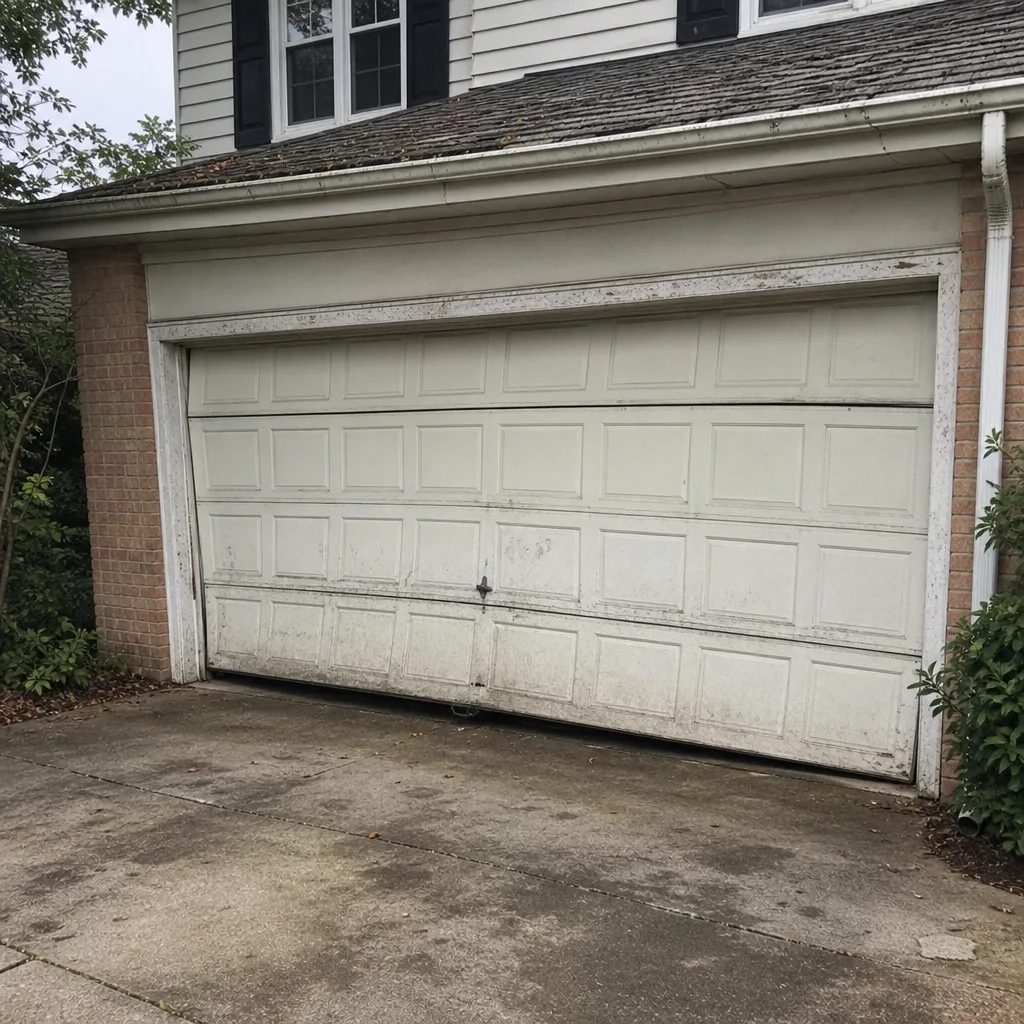 Before
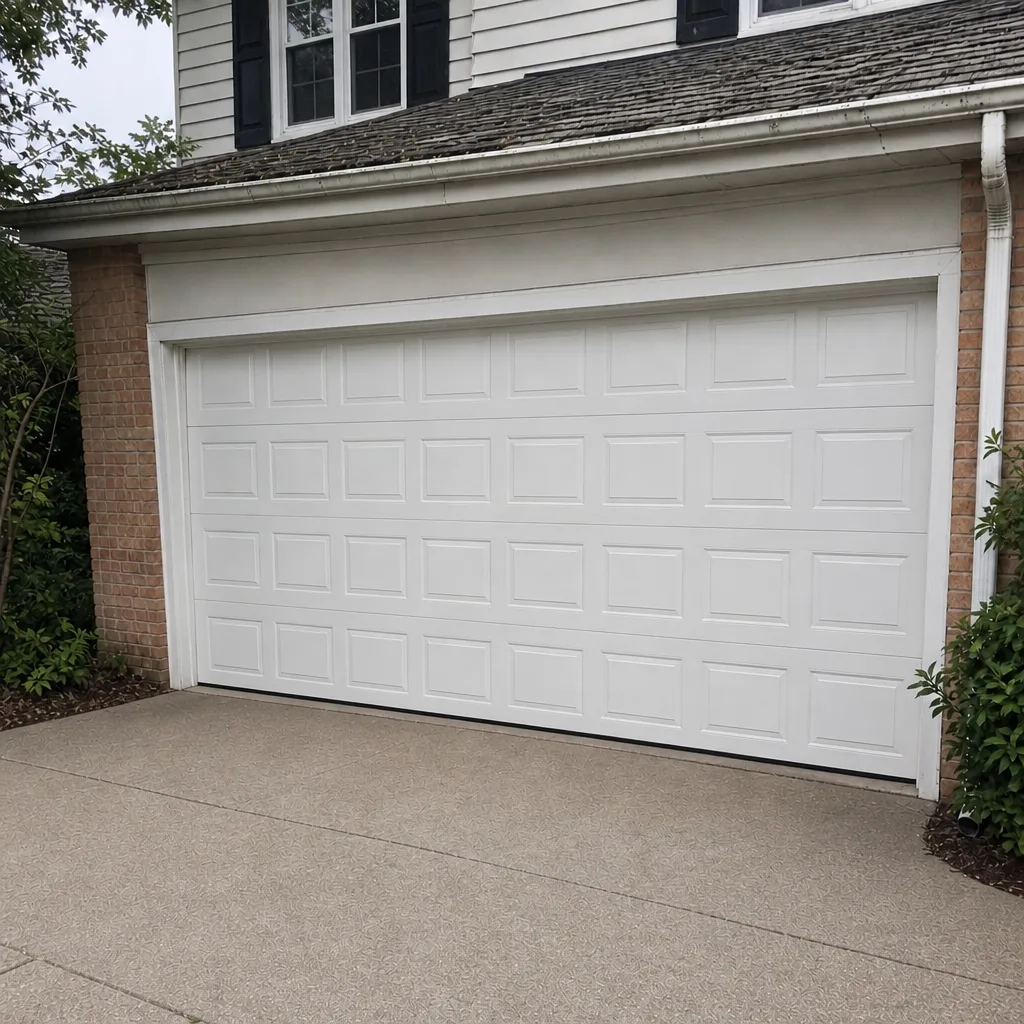 After
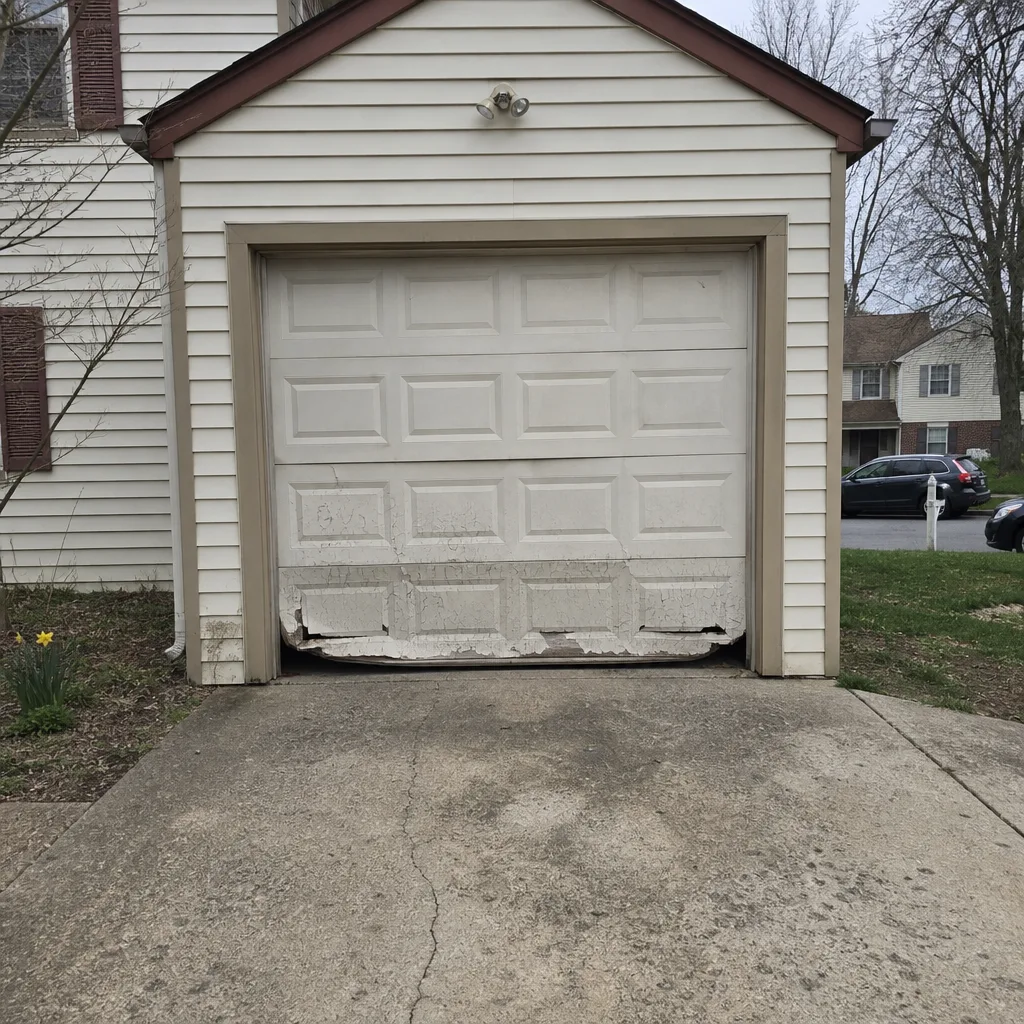 Before
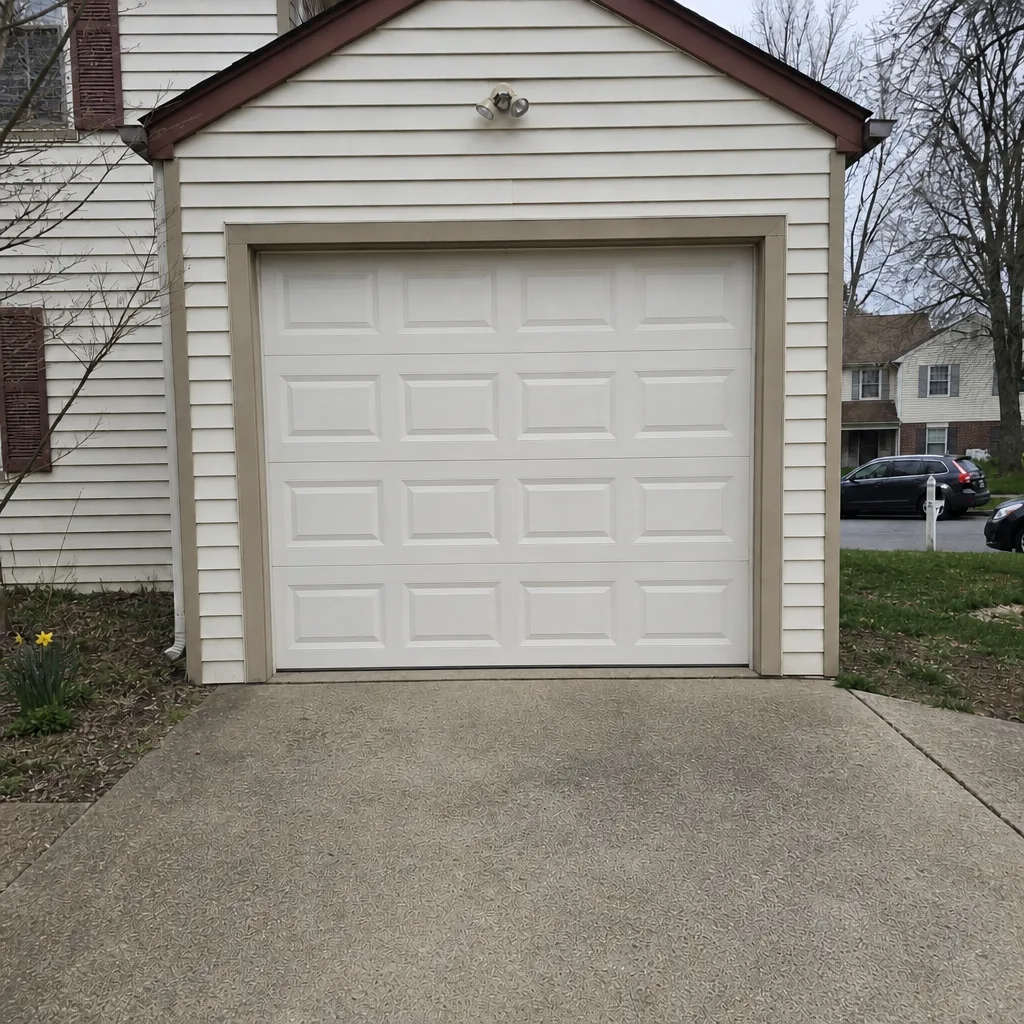 After
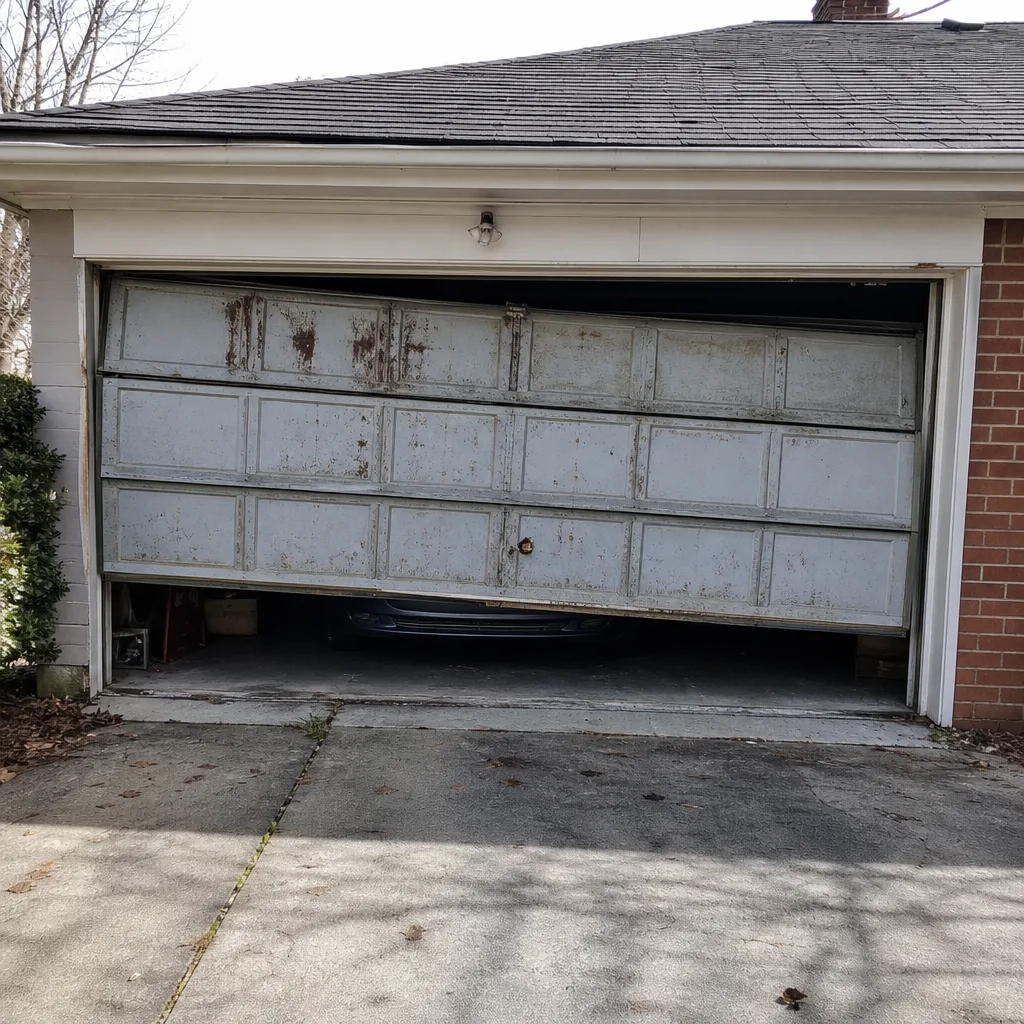 Before
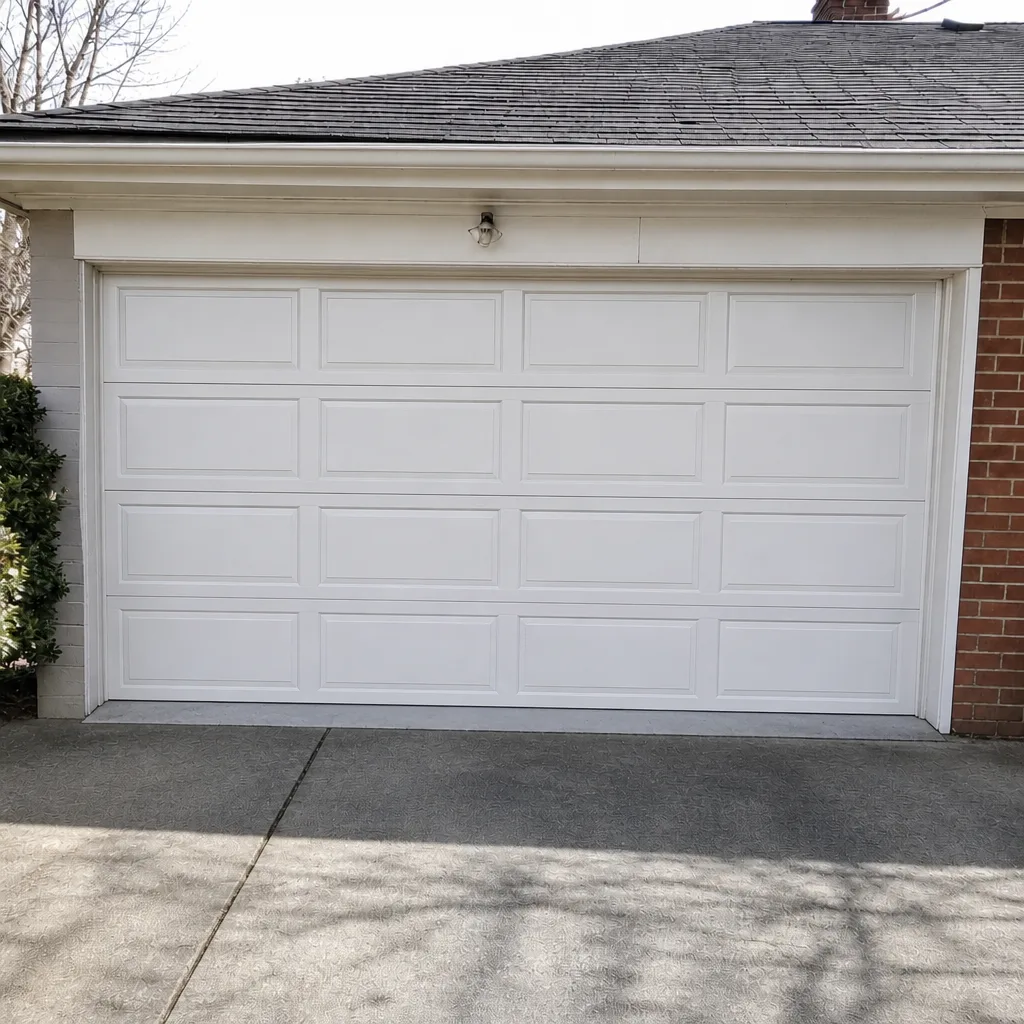 After