
Last updated November 23, 2026
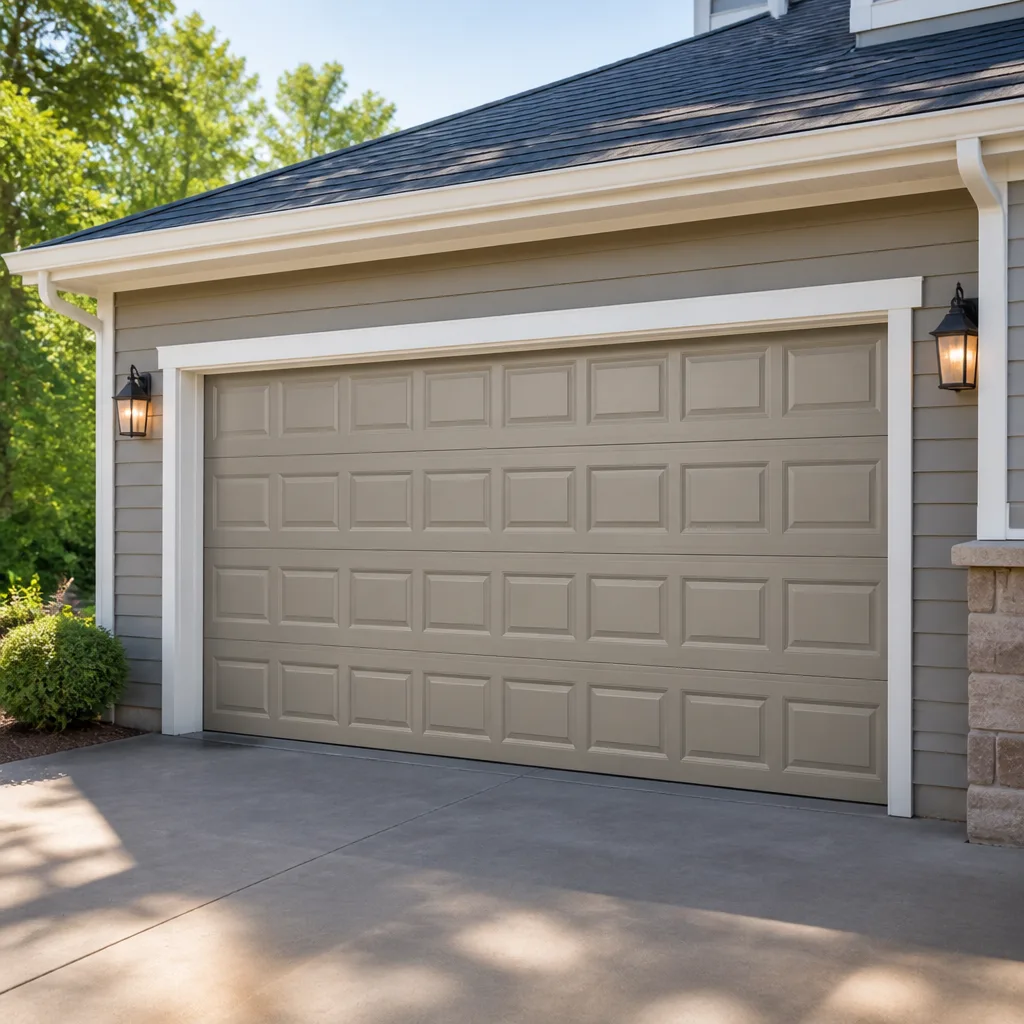 Raised-panel steel
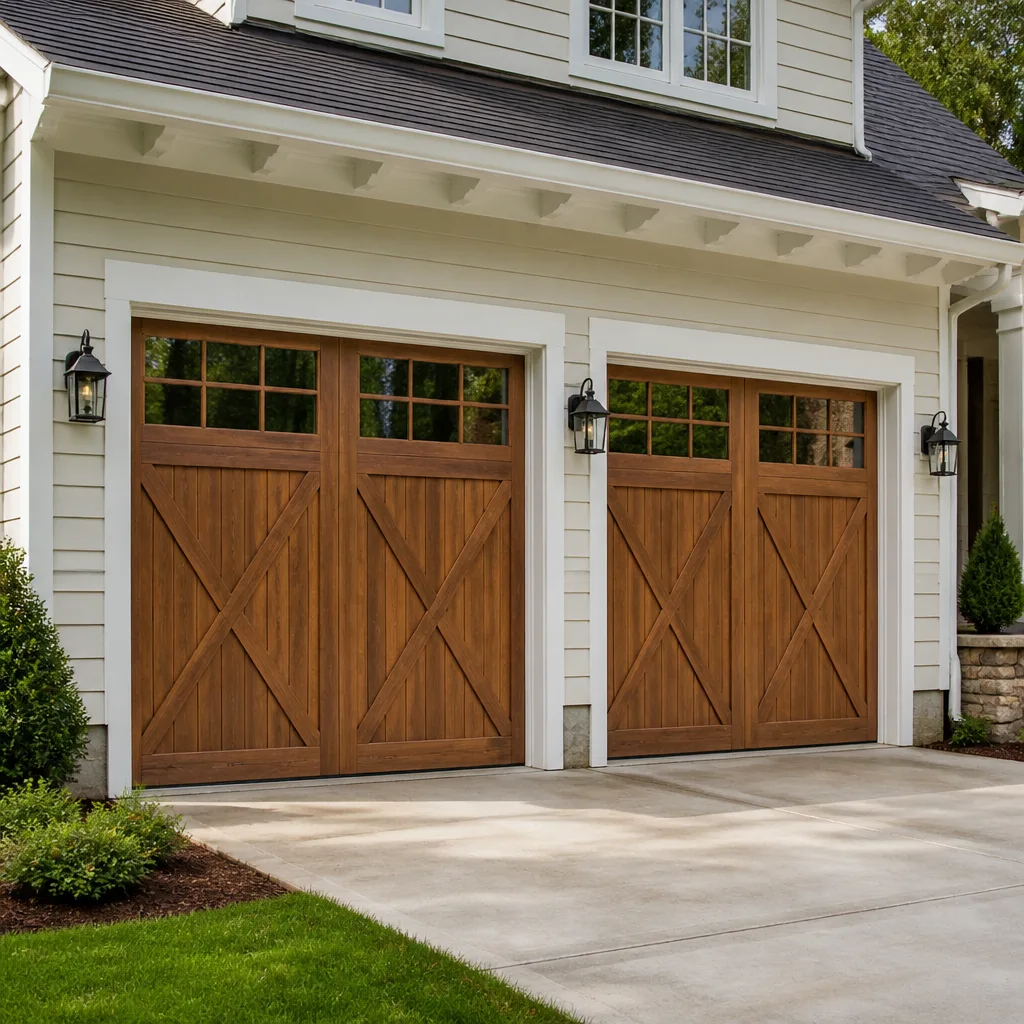 Carriage house
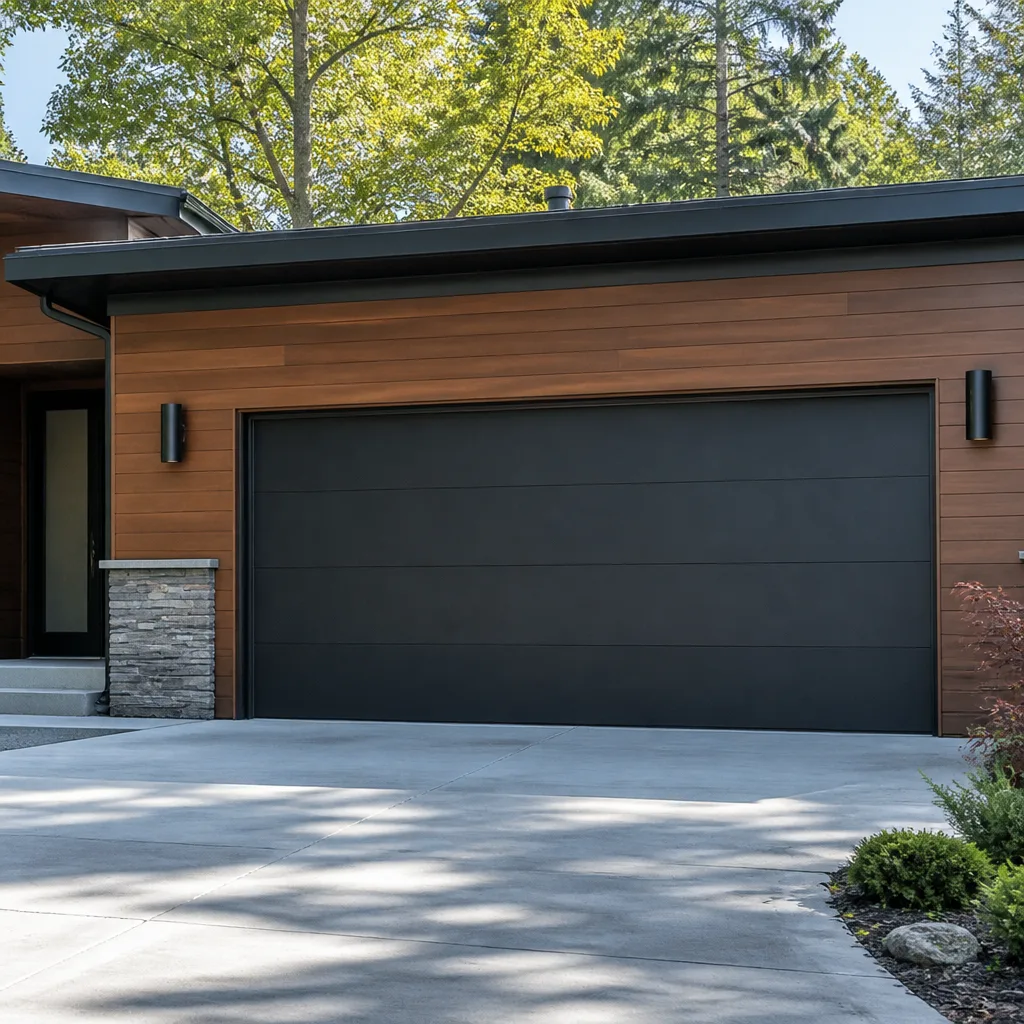 Modern flush
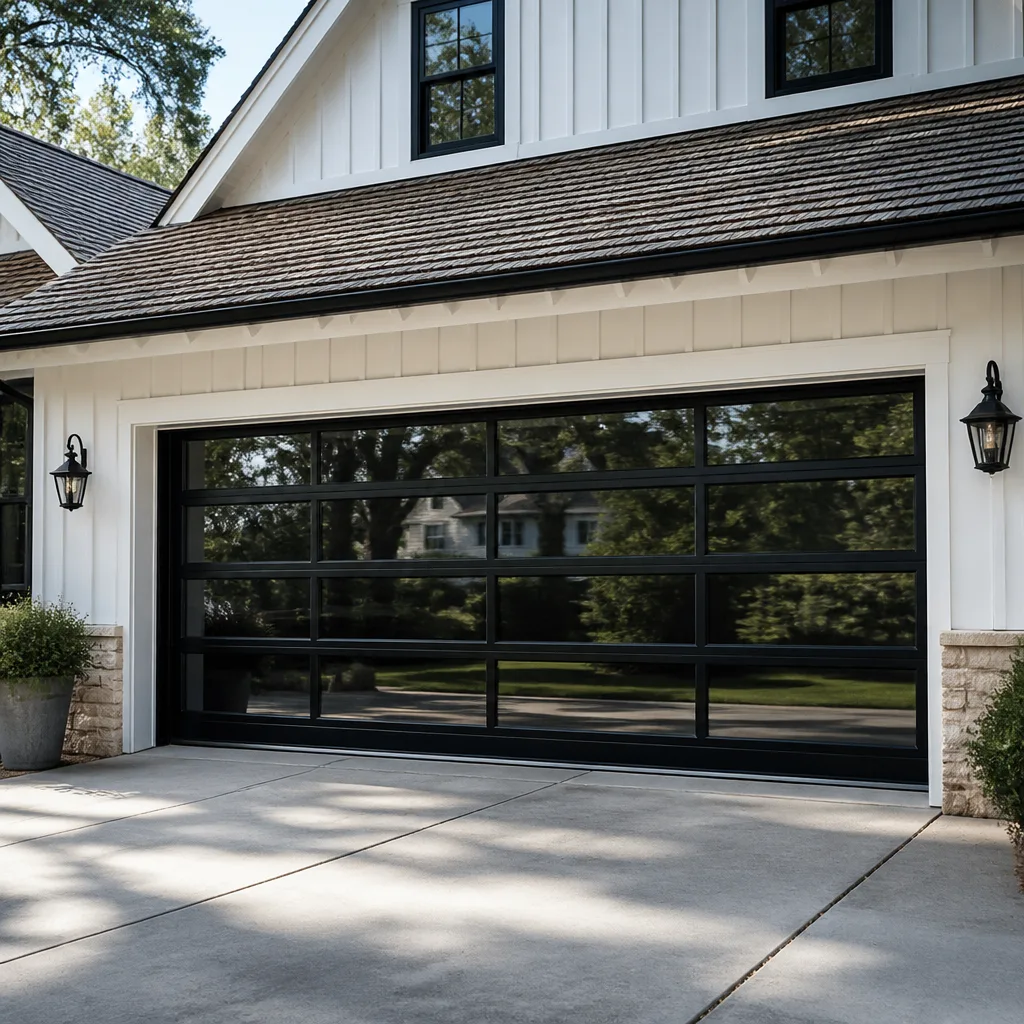 Full-view glass
 LiftMaster openers
 Chamberlain openers
Full 25-point door and opener safety check with every visit - springs, cables, rollers, tracks, and your LiftMaster or Chamberlain opener included
You get a price before we start. It does not change when the pro arrives.
Get your free estimateSeasonal Garage Door Care for Germantown: Year-Round Homeowner’s Guide
Most homeowners around here treat garage door care as one annual chore, and that’s the misconception this guide sets out to fix. A single tune-up can’t carry a door through a Germantown year, because this climate doesn’t give your hardware one kind of stress – it gives four. January brings hard overnight freezes, July brings humidity that hangs above 70%, and the weeks in between swing hard in both directions. We’ve watched the same door that ran quietly in October start grinding in February, not because it aged overnight but because the season changed and nobody adjusted for it. What follows is a month-by-month way to think about your door, the specific failures each season tends to trigger, and the checks you can safely do vs. the ones that belong with a trained technician.
Styles & brands we work with
- Raised-panel steel
- Carriage house
- Modern flush
- Full-view glass
- LiftMaster openers
- Chamberlain openers
Quick Answer
Seasonal garage door care in Germantown means matching your checks to the actual weather: pre-winter prep in fall, careful thawing in winter, cable and roller inspection as temperatures swing in spring, alignment and humidity checks in summer. A door that gets a light seasonal look-over runs quieter, lasts longer, and fails less often on a weekday morning when you’re already late. Most of it takes ten minutes; the parts that are genuinely dangerous – springs, cables under tension, anything electrical – belong with a professional.
Table of Contents
- Why Germantown’s Four Seasons Stress a Garage Door
- Fall: The Pre-Winter Prep That Prevents the Most Cold-Weather Failures
- Winter: How to Handle a Door Frozen to the Ground
- Spring: When Cable Slack Becomes a Real Problem
- Summer: Humidity, Wood Doors, and What You Can Adjust
- The Germantown Month-by-Month Garage Door Calendar
- What to Check Yourself vs. What Needs a Technician
- Common Mistakes to Avoid
- When to Call a Professional
- Frequently Asked Questions
Why Germantown’s Four Seasons Stress a Garage Door
Your garage door is a large metal (or wood, or composite) panel system that expands and contracts with temperature, hangs from tracks that do the same, and runs on moving parts lubricated by grease that thickens in cold and thins in heat. In a mild climate, those movements are small. In Germantown, they’re not. A track that fits perfectly in April can bind a roller by the first hard freeze in December, and the rubber bottom seal that keeps out drafts in January can get brittle and stuck to concrete by the same freeze. Everything on the door is reacting to the same set of forces at once.
The summer side gets less attention, but it’s just as real. Humidity above 70% over stretches of July and August affects how wood doors move and how metal hardware holds alignment. We’ve seen wood doors on the north side of a home – the side that stays damp longer – go out of square by late summer while the south-facing door on the same house looks fine. That’s not a defect; it’s moisture doing what moisture does to wood.
The right mental model is this: your door has a baseline operating condition, and each season pushes it slightly off that baseline. If you check in with it seasonally, you catch the drift early. If you don’t, the drift becomes a repair. That’s the core of everything that follows.
What’s different about Germantown specifically
Three local realities make seasonal care matter more here than in a lot of places:
- Winter freeze-thaw cycles. The overnight freezes and daytime thawing that repeat through January and February are the hardest pattern for a bottom seal and tracks to handle. Metal contracts, then relaxes, every day.
- Summer humidity. Long stretches above 70% are hard on wood doors, metal hardware, and the lubricant layer on rollers and hinges.
- Temperature swings in spring and fall. The shoulder seasons here don’t ease into each other. They jump. That’s when cable tension and roller fit get tested.
Fall: The Pre-Winter Prep That Prevents the Most Cold-Weather Failures
Fall is the single most important season for prepping a Germantown garage door, and the reason is simple: most cold-weather failures are already set up by the time the first freeze hits. Do these in order of priority, because the ones at the top prevent the failures we’re called for most often.
- Test the door’s balance. With the door closed, pull the manual release, then lift the door by hand to about waist height and let go. A well-balanced door stays roughly where you put it. A door that drops or rises on its own is telling you the springs are tired – and a tired spring is the one most likely to snap in the cold. If it fails this test, call for garage door spring repair before winter.
- Lubricate the moving parts. Rollers, hinges, and the torsion or extension spring hardware get a proper garage door lubricant. Not WD-40, which is a solvent and leaves the parts dry. Grease that thins in summer and thickens in winter works best; it’ll stay workable through the cold.
- Check the bottom seal for cracking. The rubber seal along the bottom of the door is the part that meets cold concrete. If it’s cracked or hardened, it won’t seal against the freeze, and you’ll feel the cold air coming in all winter. Replacing it is inexpensive and worth doing before the first hard freeze.
- Look at track alignment. Run your hand down each track (door closed) and feel for dents, bends, or debris. A slightly off track is a much bigger problem once the metal contracts in the cold.
- Test the safety reverse. Put a roll of paper towels in the door’s path and close it. The door should reverse on contact. Test the photo-eye sensors the same way by blocking the beam. This is your safety system, and it deserves a fall check along with everything else.
- Check the opener’s force setting. A door that ran well all summer might need slightly more force to lift in the cold, or slightly less once it’s broken in. If your opener is a LiftMaster or Chamberlain, its manual explains how the force adjustment works; if you’re not sure, that’s a job for a technician rather than a guess.
If your fall prep turns up a spring that’s failing the balance test, or a door that’s grinding or jerking, don’t push it into winter. That’s exactly the kind of thing our garage door repair team gets called for after the first cold snap, and it’s easier to fix in October than in January.
Winter: How to Handle a Door Frozen to the Ground
A garage door frozen to the ground is a Germantown winter reality, especially after the kind of overnight freeze that follows a day of thaw. The wrong move is to hit the opener and hope. The right move takes about three minutes and protects two expensive things: your bottom seal and your opener’s gears.
What to do when the door is frozen
- Don’t force it. If the door won’t lift on the first try, stop. The opener’s gears, the torsion springs, or the bottom seal can all be damaged by pushing through a frozen seal.
- Free the seal mechanically, not with heat or force. Use a flat tool – a plastic scraper or the flat side of a shovel – to work along the seam where the seal meets the concrete. Loosen the bond steadily. Don’t pour hot water on the seal; it can warp the rubber and let water refreeze under the door.
- Break the seal with gentle upward pressure. With the manual release engaged, lift the bottom of the door a few inches by hand. If it comes free, re-engage the release and try the opener.
- Keep the door’s bottom edge from re-freezing. After freeing it, wipe the seal and the concrete where it sits dry. If the freeze-thaw cycle keeps returning, that’s a sign the seal is too worn to make a clean break, and replacing it is the real fix.
Other winter checks
- Keep the tracks clear of ice. Ice in the track of a door is a mechanical jam waiting to happen. If you see it, free it gently rather than letting the opener try to push through.
- Don’t let the door sit open during a snow or ice event. Water in the tracks freezes and the next opening binds.
- Note any new noise. Winter is when a worn roller first announces itself on a cold morning. That’s not normal, and it’s worth a look before it becomes a stuck door.
Winter is also when we tend to hear from people whose garage door opener repair need caught them mid-freeze – the opener itself may have been fine and the frozen seal just overworked it. Either way, if the door won’t move safely, stop trying and call. We answer 24/7. Fast dispatch from 7am to 7pm, Sunday through Friday.
Spring: When Cable Slack Becomes a Real Problem
Spring is the transition season, and in Germantown it’s the transition from contraction back to expansion – metal and cable under tension all winter suddenly getting room to move. That’s when cable slack becomes a real problem, and it’s worth understanding why.
The lift cables on a torsion system run from the spring assembly down to the bottom brackets on each side of the door. They’re under tension, and that tension is matched to the springs. When the door is fully closed, the cables are at one tension; when the door opens, they roll up on the drums. If the cables have lost a little tension, or if the bottom bracket has moved slightly, the cable can slip the drum. A loose cable can jump off the drum and jam the door, or – worse – snap. A popped cable isn’t a “fix it next week” problem; the door isn’t safe to operate once it’s happened.
How to spot cable slack before it snaps
- Look at the cables where they meet the drums. With the door closed, the cables should be taut and even on both sides. If one side looks looser, that’s a warning sign.
- Listen for a pop or clunk. A cable slipping off the drum usually makes a distinct noise once before the door stops running normally.
- Watch the bottom brackets. The bracket at the bottom of each side is where a snapped cable becomes dangerous quickly. If either bracket is bent or the cable looks frayed near it, call.
- Check for uneven door travel. If one side of the door lags behind the other when it opens, the cables aren’t pulling evenly.
Spring is also when we tell people to not attempt a cable or spring adjustment themselves. Cables are under very high tension, and there’s no safe way to release that tension without the right tools and training. If something looks off, call us. It’s the same rule for spring work on any of the brands we service – a Craftsman door with extension springs needs the same caution as a modern torsion system.
Spring is also a good time to book a light tune-up with a specialist who handles the full arc of repair, opener, spring, and installation. You shouldn’t have to find a second company because your needs change, and a spring check-up is a natural moment to look at the opener too.
Summer: Humidity, Wood Doors, and What You Can Adjust
Germantown’s July and August humidity above 70% has a specific effect on a garage door: the materials move. Metal hardware expands, wood doors take on moisture, and the alignment that felt fine in May can be slightly off by August. Most of it is manageable, and some of it needs a technician. Here’s how to tell the difference.
What you can adjust yourself
- Lubricant refresh on rollers and hinges. Heat thins the grease. A light coat in early summer keeps the parts working smoothly through the wet months.
- Weather seal inspection. The seal around the door’s perimeter and bottom can shrink or crack in heat. If it has gaps, replace it; it’s a homeowner-friendly job.
- Simple track wipe-down. Not a track adjustment, just a clean of any dust and debris the wet season collects.
- Opener force setting awareness. If the door runs harder in the heat, note it – don’t crank the force up. That masks the problem.
What needs a technician
- Wood door out of square. A wood door that moves with humidity needs its hinges and panels checked. Adjusting a wood door’s alignment isn’t a DIY job; the fix is in how the hinges and panels sit, and getting it wrong makes it worse.
- Panel binding in the tracks. If the door binds on one side in summer, a track or roller adjustment is likely needed and the wrong adjustment can damage the roller or the door.
- Opener strain. An opener that’s straining in summer heat is often fighting an alignment problem, not a dying motor. A technician can tell the difference in a few minutes.
One thing specific to a Germantown summer: check the door’s north-facing side first. It stays damper longer, and wood doors on that side tend to show humidity movement earlier in the season. If you notice swelling or a slight misalignment there first, that’s the door telling you its season has started.
The Germantown Month-by-Month Garage Door Calendar
This is the part most guides skip. A full seasonal overhaul is a once-a-year event; a small monthly check is what actually keeps a door running. Here’s the short version, month by month, with one or two things worth doing each month.
January
Check the bottom seal for a freeze-stuck edge. If the door is frozen to the ground, free it by hand before using the opener.
February
Listen for new noises on cold mornings. Any new grinding or scraping after a freeze is worth investigating.
March
Inspect lift cables at the drums for slack, and check both bottom brackets for bends. This is the highest-risk month for a cable issue.
April
Test the safety reverse and photo-eye sensors. A quick test now means the systems are working through the busy season.
May
Lightly lubricate rollers, hinges, and spring hardware for the summer. Check the perimeter seal for cracks.
June
Look at wood door alignment, especially on a north-facing side. Early swelling is easiest to correct.
July
Check the door’s travel for binding or uneven movement. Humidity-related binding is common this month.
August
Check the opener for strain. An opener that’s fighting a misalignment is a call, not a force adjustment.
September
Start fall prep with a door balance test. This is the most important single check of the year.
October
Full pre-winter prep: lubrication, track check, bottom seal inspection, safety test, and a look at the spring balance.
November
Replace a worn bottom seal before the first hard freeze. It’s cheap insurance against a mid-winter stuck door.
December
Keep the tracks clear of ice and snow. Don’t leave the door open through a freeze event.
What to Check Yourself vs. What Needs a Technician
You can do a lot of seasonal care yourself, and you should. You should not do the parts that put your hands near a loaded spring, an energized opener, or a cable under tension. The line between the two is clearer than most homeowner guides make it.
Safe to do yourself
- Visual inspections of the door, tracks, rollers, and seals
- Light lubrication of rollers, hinges, and spring hardware
- Balance test (door closed, manual release pulled, lift by hand)
- Safety reverse and photo-eye tests
- Wiping tracks clean and clearing ice, snow, or debris
- Replacing a perimeter or bottom seal
Belongs with a technician
- Spring replacement or adjustment. The spring is under very high tension. This is one of the most hazardous garage door tasks, full stop, and it’s the one we’d most strongly tell people not to attempt. It’s also the one we can do safely.
- Cable work. Cables are under similar tension. There’s no safe way to adjust one without the right tools.
- Track straightening. Adjusting a track changes the door’s geometry. Getting it wrong makes the door worse and can damage the rollers.
- Opener electrical work. Anything that touches the opener’s wiring or the electrical panel is a job for a trained professional.
- Wood door alignment. The adjustment is in the hinges and panels, not something to guess at.
For spring work in particular, we offer garage door spring repair as a specialty rather than as something to be avoided. Our technicians have up to 9 years of experience, and they use the proper tools and hardware rather than a workaround. A spring is not the place to save money.
For anything opener-related, our technicians are factory-trained on LiftMaster, Chamberlain, Genie, Craftsman, Raynor, Clopay, Amarr, and Wayne Dalton – so the technician who shows up already knows your system and is carrying the correct parts. That’s the advantage of calling a garage door specialist rather than a generalist.
Common Mistakes to Avoid
- Hitting the opener when the door is frozen. This is the most common winter mistake we see. The opener’s gears and the bottom seal both pay the price. Free the seal by hand first, every time.
- Using WD-40 as garage door lubricant. It’s a solvent, not a lubricant. It thins out the grease you need and leaves the moving parts drier than before. Use a proper garage door lubricant.
- Skipping the fall balance test. The door balance test is the single best predictor of a spring that’s about to fail. Skipping it in October is the reason people end up with a snapped spring in January.
- Forcing a door that’s binding. If the door binds in the summer humidity, the fix is an adjustment, not more force on the opener. Cranking up the force setting masks a track or roller problem and wears the opener out faster.
- Adjusting a spring or cable yourself. There’s no safe way to do it without proper tools, and the danger is real. Don’t take the risk.
- Ignoring a new noise. A door that starts to grind, scrape, or clunk is a door asking for a look. Small noise now, big repair later, is the pattern.
- Treating one annual tune-up as full seasonal care. A Germantown door goes through four genuinely different stress patterns a year. One checkup a year misses at least two of them.
When to Call a Professional
Some signs say “call now” and some say “call in the next few weeks.” The ones that say now: a door that won’t open or close at all, a cable that’s popped or looks slack at the drum, a door that’s come off its track, a spring that’s visibly broken or has lost tension, or an opener that’s dead. The ones that can wait a scheduled visit: a new noise, a bottom seal that’s worn, a door that binds in summer, a wood door that’s moved with the humidity, or an opener that’s struggling. We answer 24/7. Fast dispatch from 7am to 7pm, Sunday through Friday, and we’re closed on Saturday. Garage Door Repair Germantown offers free estimates in Germantown – call (855) 752-3290 for one. The price is set by the written estimate before any work starts, so you’ll know the number before anyone touches the door.
Frequently Asked Questions
Once a year for a full professional service, plus a light homeowner check every month or two through the seasonal calendar above. The full service catches what the monthly checks can’t; the monthly checks keep a small drift from becoming a repair.
It’s usually a worn or tired spring that finally fails when the cold adds stress to it, or a bottom seal that freezes to the ground and drags the opener into a jam. Both are preventable with a fall balance test and a seal replacement before the first freeze. If your door is already stuck, call (855) 752-3290 for an estimate.
No. Free the seal by hand first. Running the opener against a frozen seal is the fastest way to damage the opener gears or bend the door’s bottom edge. If you’ve already done it and the opener is making a new noise, that’s worth a call for garage door opener repair.
Spring is when cable slack and roller wear become visible, so a grinding sound usually points to a cable that’s slipped or a roller that’s worn through. Don’t force it – grinding plus uneven travel is a call-now situation. We answer 24/7.
You can keep the seal tight and the rollers lubricated, and you can watch for early signs of swelling on the north-facing side. Adjusting the door’s alignment is a technician job – the fix is in the hinges and panels, and getting it wrong makes it worse.
Yes, and it’s the most important season for prepping. The fall pre-winter list – balance test, lubrication, bottom seal check, and track inspection – prevents the cold-weather failures we’re called for most often. Book it before the first freeze, not after.
The Bottom Line
A Germantown garage door goes through four different kinds of stress a year, and the fix is a light, seasonal approach rather than a single annual tune-up. Fall prep prevents most cold-weather failures. Winter is about not forcing a frozen door. Spring is when cable slack needs checking. Summer is when humidity moves the door, and you can catch the early signs. The month-by-month calendar above is the short version you can actually follow. For anything involving springs, cables, or the opener’s electrical side, call a professional. If you need help at any point in the year, call (855) 752-3290 for a free estimate.
Written by the team at Garage Door Repair Germantown.
See the difference
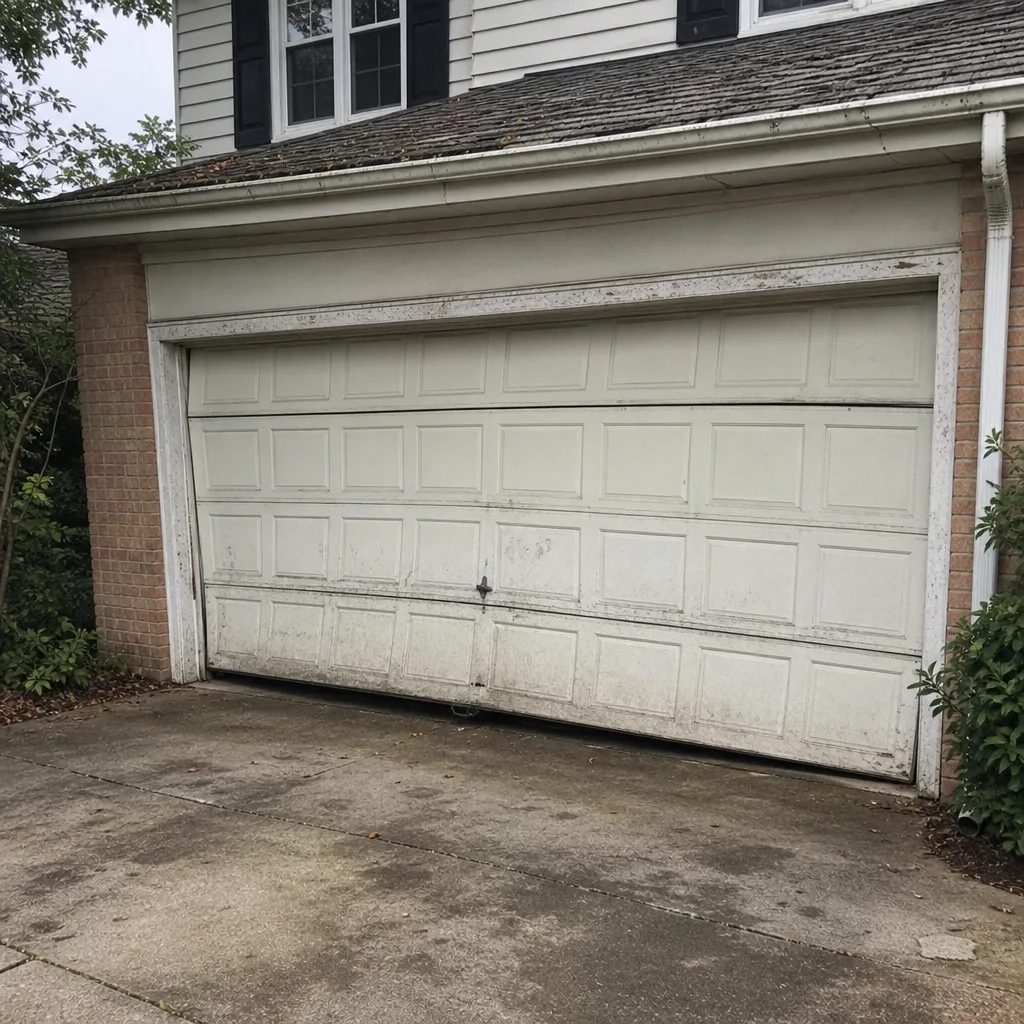 Before
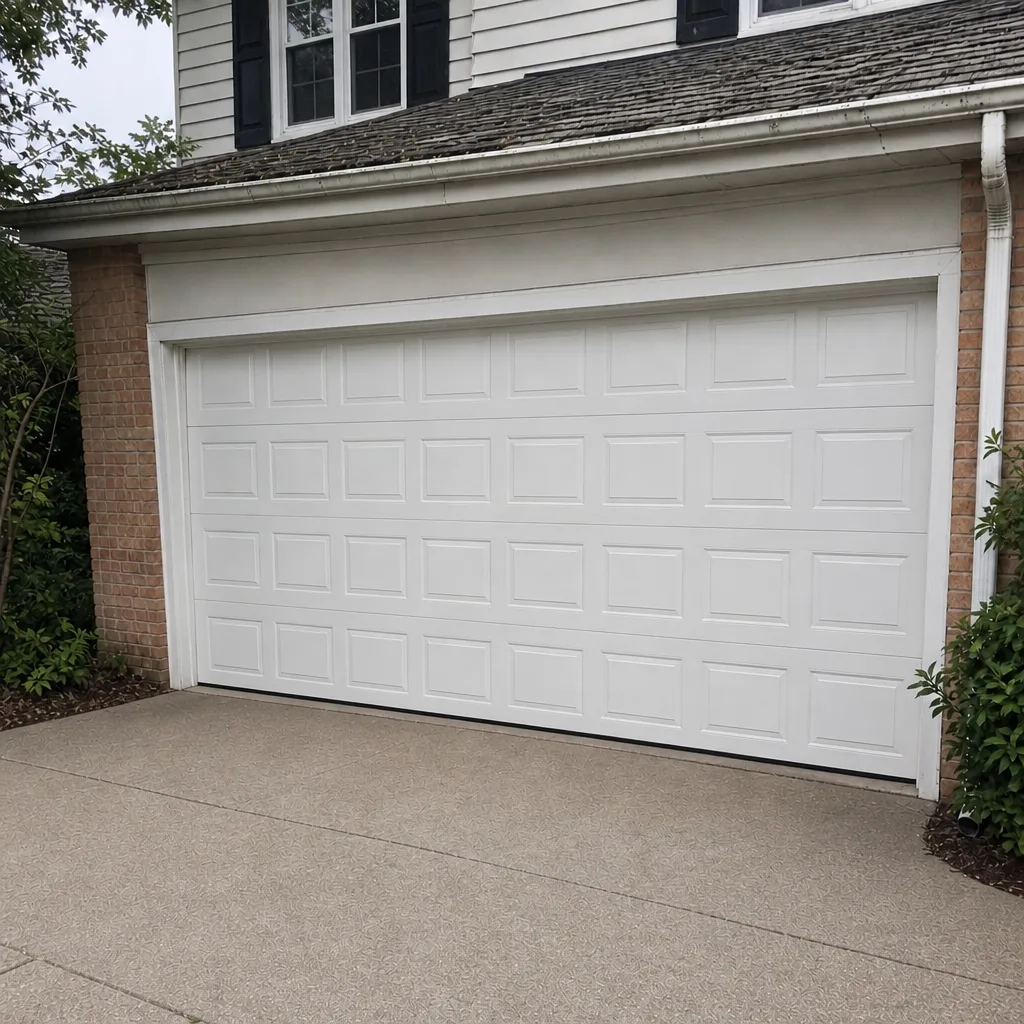 After
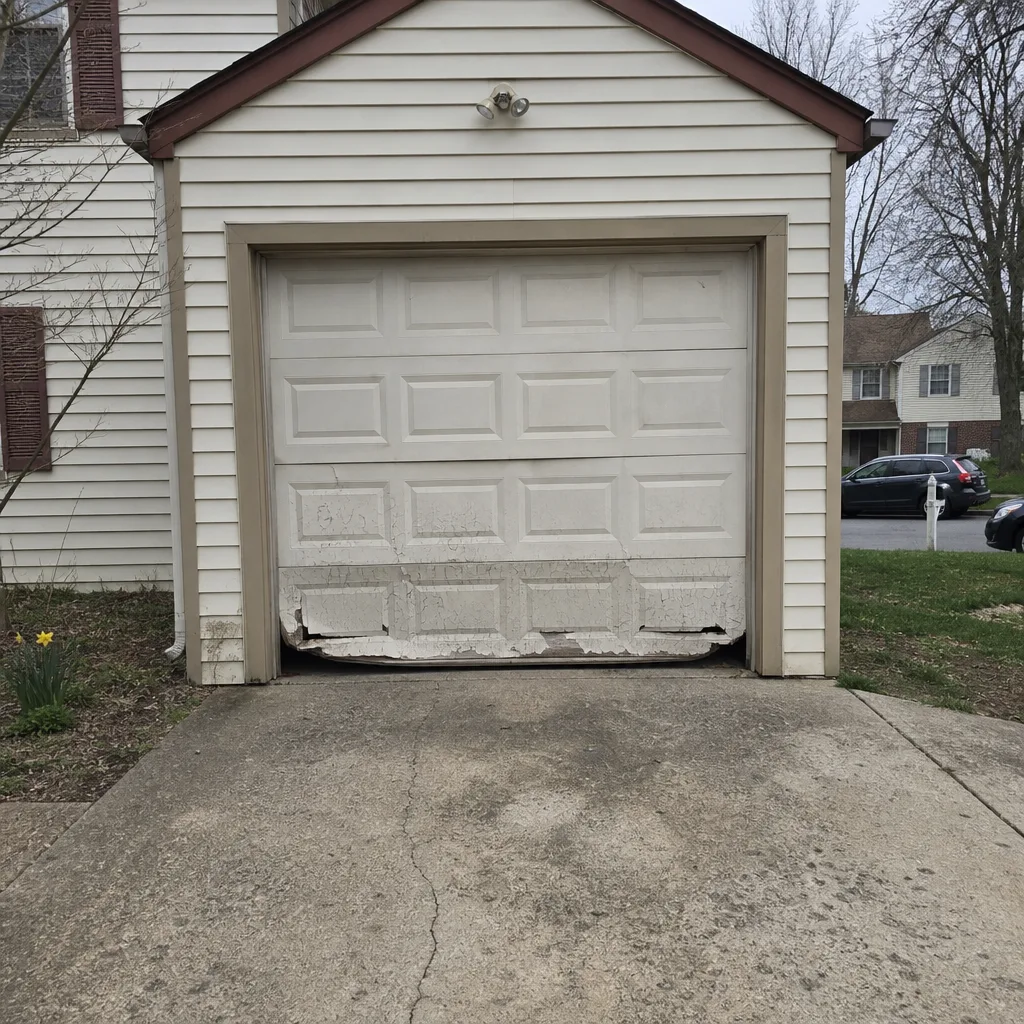 Before
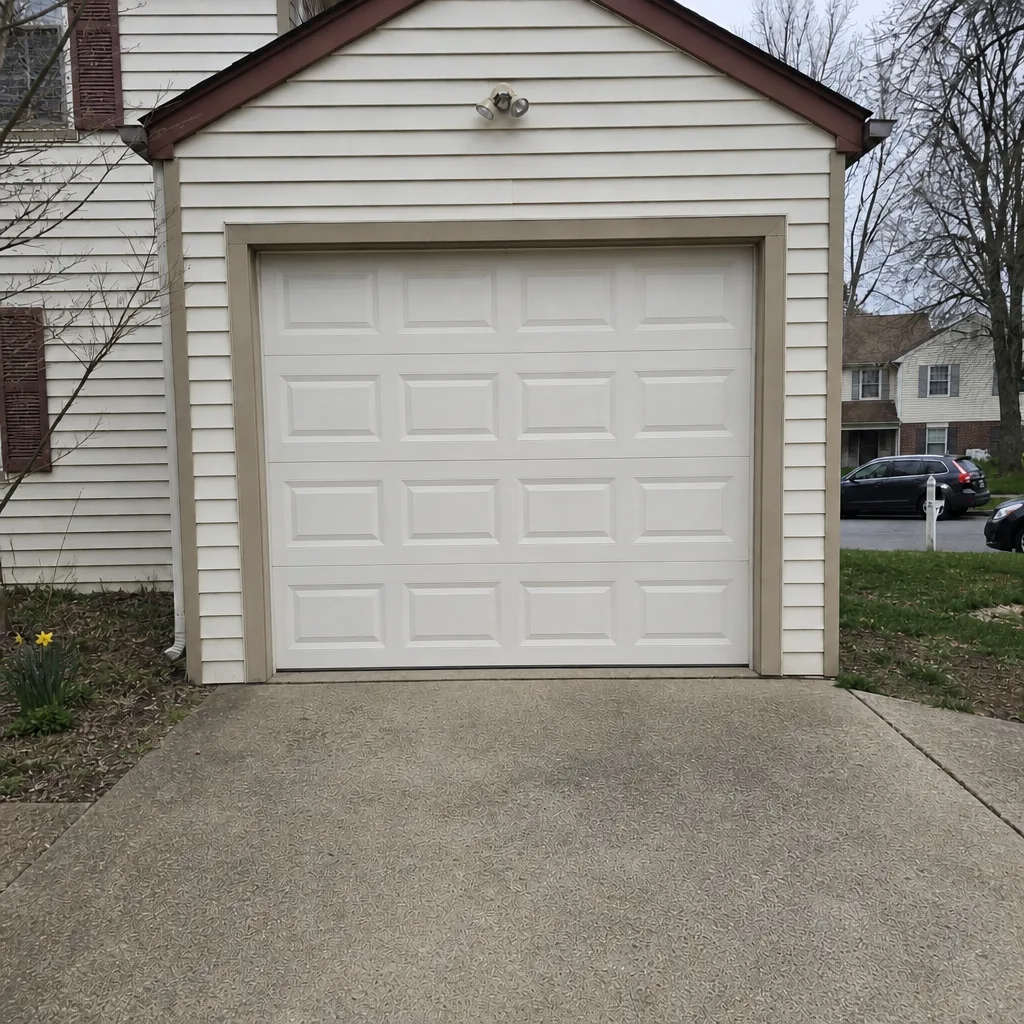 After
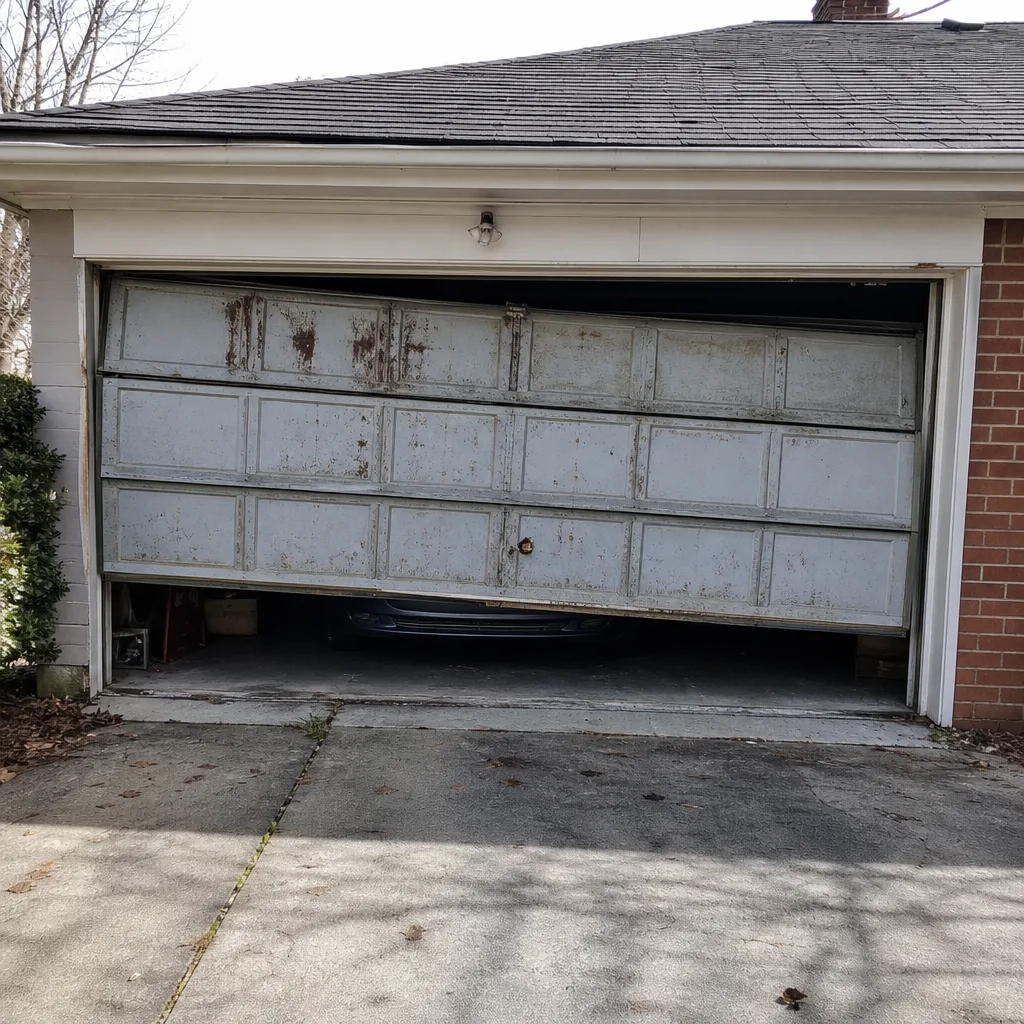 Before
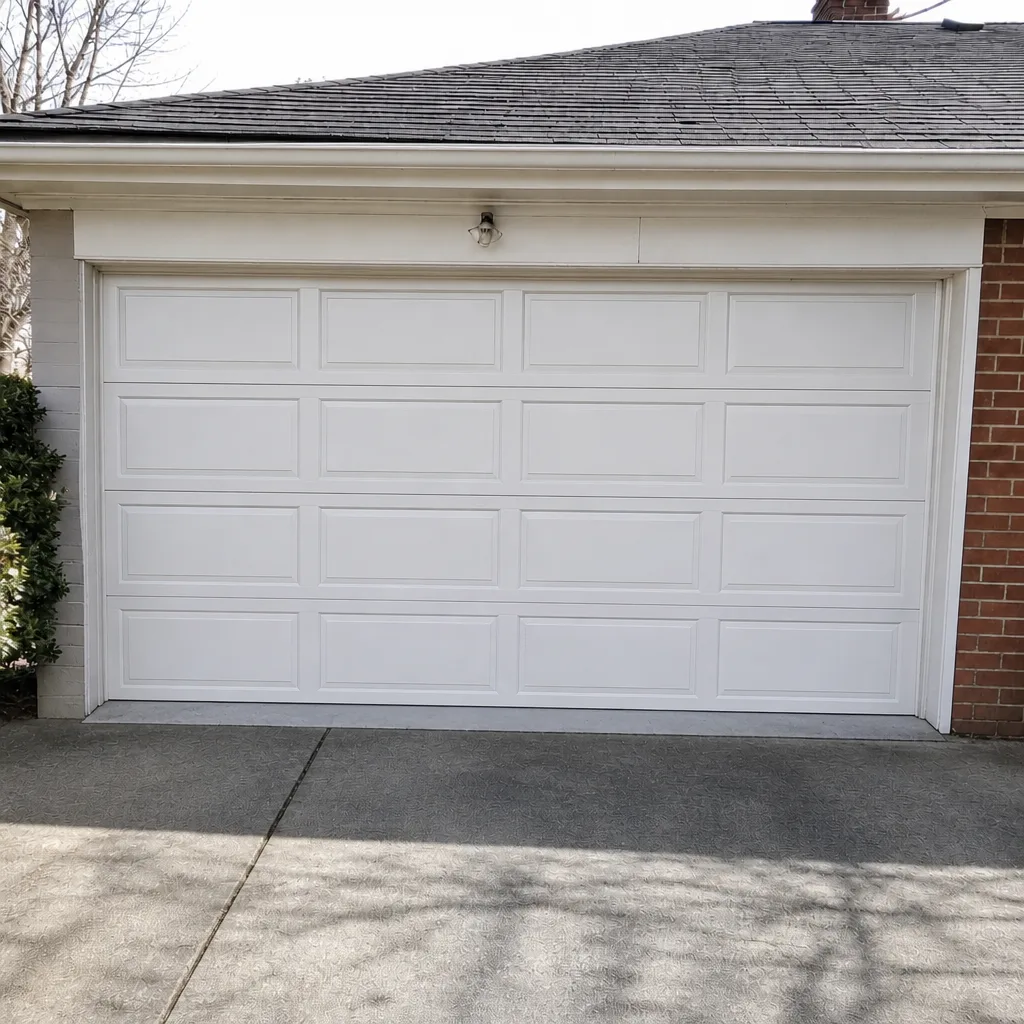 After