
Last updated November 23, 2026
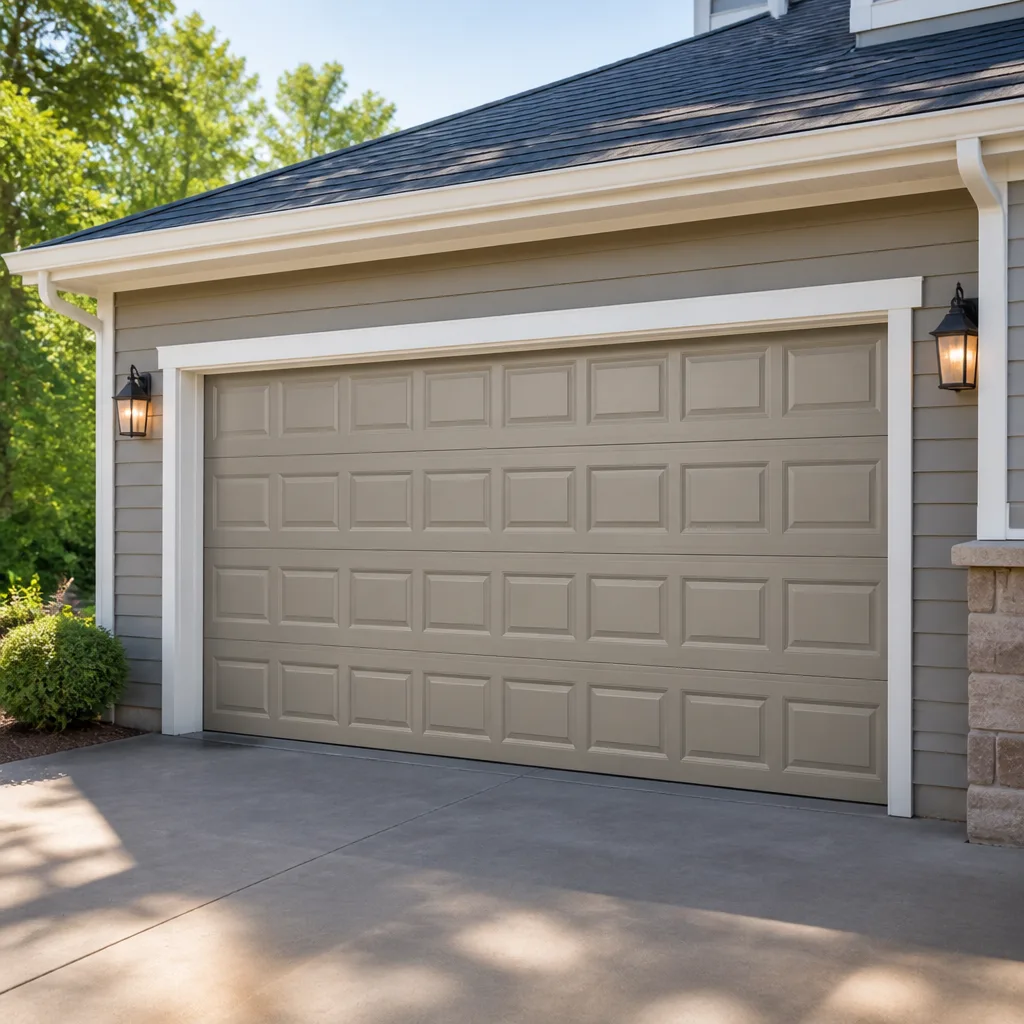 Raised-panel steel
 Carriage house
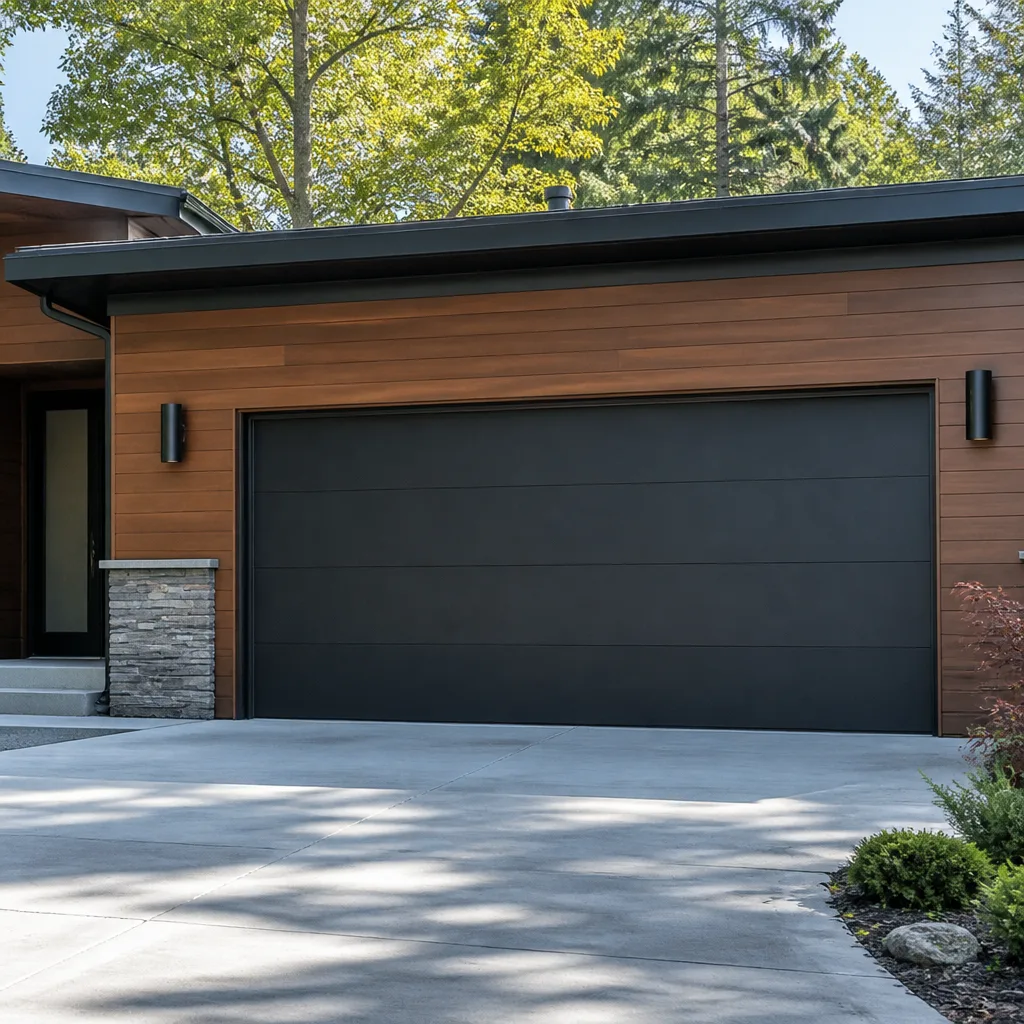 Modern flush
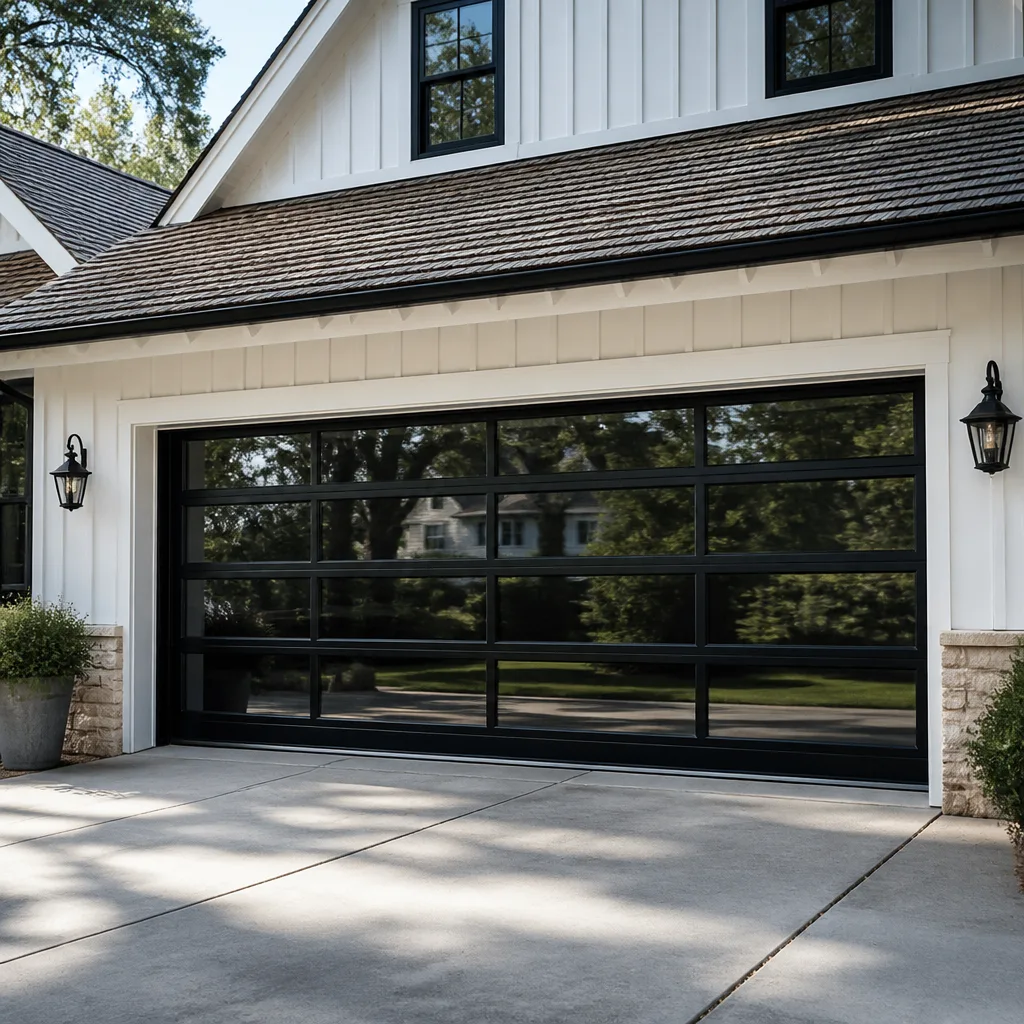 Full-view glass
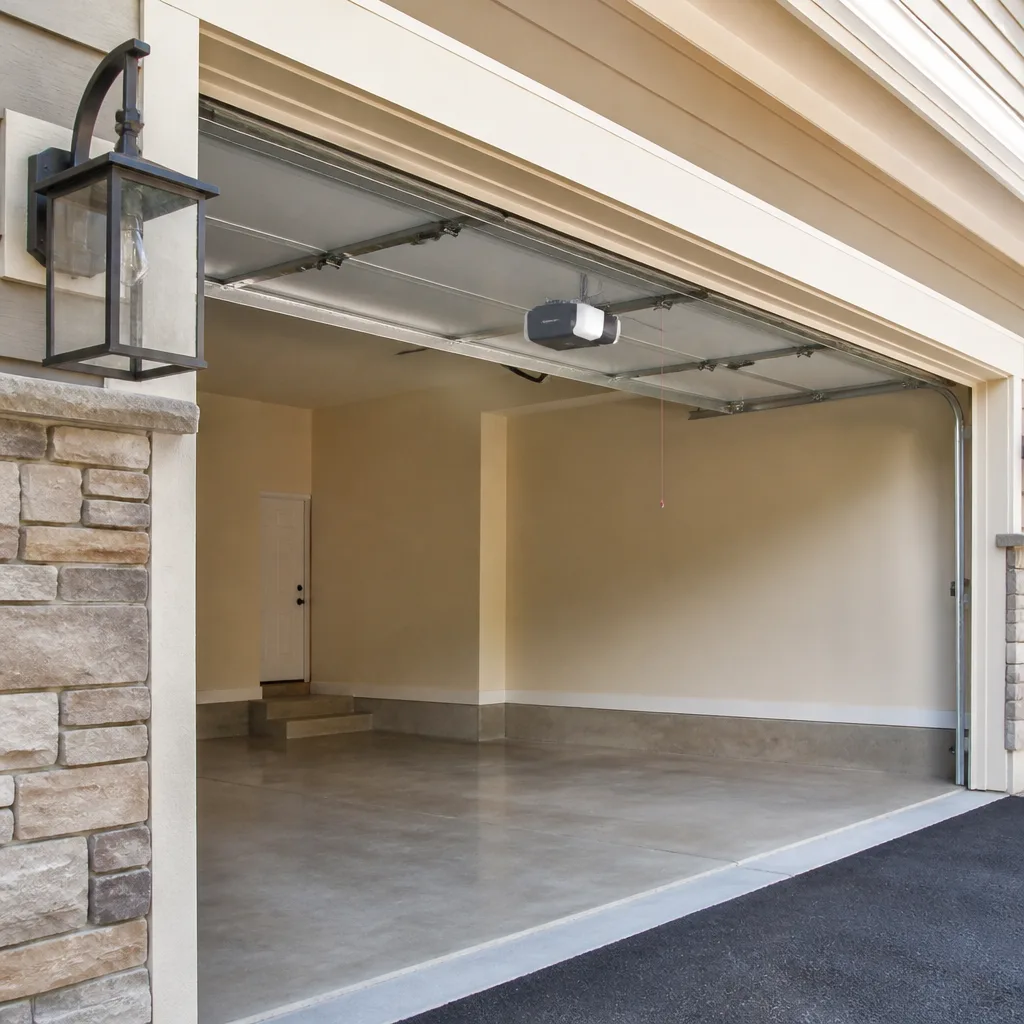 LiftMaster openers
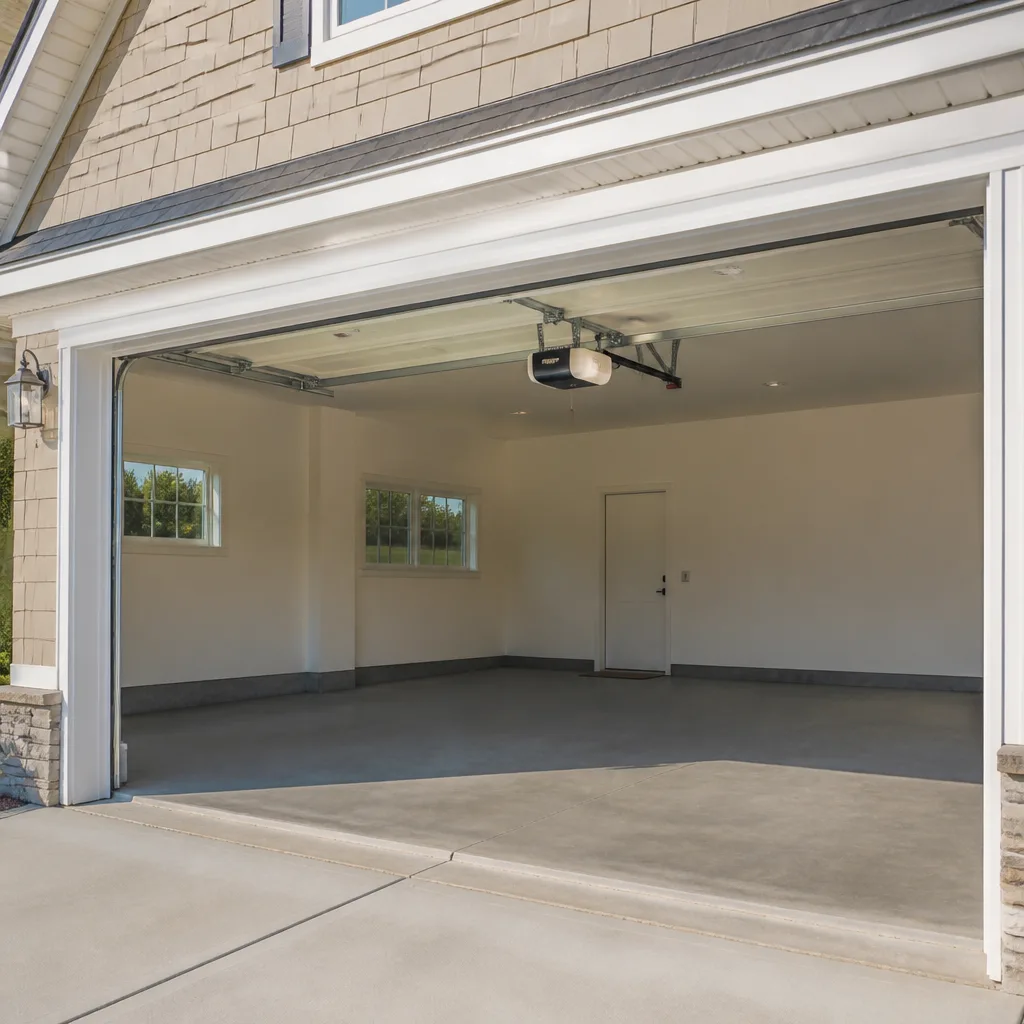 Chamberlain openers
Full 25-point door and opener safety check with every visit - springs, cables, rollers, tracks, and your LiftMaster or Chamberlain opener included
You get a price before we start. It does not change when the pro arrives.
Get your free estimateGarage Door Repair Maintenance Schedule: What to Do and When
The average garage door opens and closes about 1,500 times a year. Most homeowners give it zero scheduled maintenance until the morning it refuses to move on a 20-degree January day. Here’s the counterintuitive part: the door doesn’t need monthly fussing. It needs the right four tasks done at the right times of year, and one neglected task in particular – the fall cable and spring inspection – is the most predictable reason Germantown homeowners end up calling for emergency repairs once the cold settles in. This guide gives you a month-by-month schedule built around real seasonal stress points, the exact lubricants for each part, and the safe checks you can do yourself.
Quick Answer
A garage door needs maintenance roughly four times a year, timed to the seasons: a spring lubrication and hardware check in March after winter, photo-eye and track cleaning in June, a full cable and spring inspection in September and October before cold contraction, and a weather seal and balance check in December. Monthly attention is limited to a quick visual glance and a listen for new noises. Everything involving springs, cables, or the torsion assembly should go to a trained technician.
Styles & brands we work with
- Raised-panel steel
- Carriage house
- Modern flush
- Full-view glass
- LiftMaster openers
- Chamberlain openers
Table of Contents
- Why a Seasonal Schedule Beats a Monthly Checklist
- The Month-by-Month Garage Door Maintenance Calendar
- Which Lubricants Go on Which Parts (and What Never to Lubricate)
- Safe Tension and Balance Checks You Can Do Yourself
- How to Log Maintenance So a Technician Can Spot Wear
- The Annual Task Most Guides Skip: The Bottom Weather Seal
- How Germantown Weather Shapes the Schedule
- Common Mistakes to Avoid
Why a Seasonal Schedule Beats a Monthly Checklist
Most garage door maintenance advice online reads like a chore wheel: check this weekly, tighten that monthly. In practice, nobody keeps up with it, and the tasks that actually prevent failures get buried under busywork. Garage doors don’t wear by the calendar month; they wear by temperature swings, cycle counts, and exposure to road salt and grit. That’s why a schedule mapped to the four seasons works better than a generic quarterly checklist. You’re timing each task to the stress the door is about to face, not just checking a box.
Here in Germantown, the pattern is easy to see. Winters bring repeated freeze-thaw cycles and salted roads, which push grit into the rollers and dry out the torsion hardware. Summers bring humidity and pollen that gum up photo-eyes and track surfaces. Spring and fall are the transition windows where a few hours of work prevents most of the emergency calls we see between December and February. A homeowner who inspects cables and springs in the fall is far less likely to be standing in a cold garage in January watching a snapped spring dangle from the torsion bar.
There’s a second reason to think seasonally: it creates a rhythm you’ll actually remember. A task tied to “when the leaves fall” or “when the clocks change” sticks in memory far better than “first Tuesday of every month.” For homeowners in Germantown’s tree-lined neighborhoods, where gutters fill with leaves and driveways collect debris, that rhythm also lines up with the other fall and spring home maintenance you’re already doing. The door gets checked while you’re already outside with a ladder and a rake.
One more point worth stating plainly: a door that gets its four seasonal tasks is not maintenance-free. Springs still fatigue, cables still fray, and openers still wear out. But the difference between a door that gets serviced seasonally and one that never does shows up clearly on a service visit – the well-kept door usually needs an adjustment, the neglected one usually needs a repair.
The Month-by-Month Garage Door Maintenance Calendar
Here’s the full calendar, built around the mid-Atlantic climate and the way garage doors actually fail in Germantown. Not every month has a task, and that’s intentional – the goal is four solid maintenance windows per year, not twelve half-hearted ones.
January and February: Watch and Listen
These are the highest-stress months for the door. Cold contracts metal, stiffens grease, and puts maximum load on springs. No proactive work is needed beyond a monthly glance: listen for new grinding or popping, watch the door travel for hesitation, and note any change in how loudly it operates. If something sounds different, write it down. If the door stops moving entirely, that’s an emergency call, not a maintenance task.
March: The Post-Winter Lubrication and Hardware Check
Once the last hard freeze passes, this is the most important maintenance window of the spring. Winter salt and grit have worked into the rollers, hinges, and tracks. The March task list:
- Wipe down the tracks with a damp cloth to remove salt residue and grit. Never use solvents or harsh cleaners on the tracks.
- Apply white lithium grease to the torsion springs, the bearing plates, and the hinges.
- Spray silicone lubricant on the rollers, the track surface, and the hinges’ pivot points.
- Tighten any hinge or bracket bolts that have loosened over the winter.
- Test the door’s balance by hand (see the balance check section below).
June: Photo-Eye and Track Cleaning
Summer humidity and pollen coat the safety photo-eyes and the track surfaces. This is the month to wipe the photo-eye lenses with a soft cloth, clear any cobwebs or debris from the sensor path, and clean the tracks again. It’s also the right time to test the auto-reverse function: place a roll of paper towels in the door’s path and confirm the door reverses on contact.
September and October: The Cable and Spring Inspection
This is the task that prevents most winter emergencies. Before cold contraction sets in, inspect the cables and springs visually – no touching, no adjusting. Look for fraying, kinks, or rust on the cables, and for gaps or stretched sections on the springs. If anything looks off, schedule a technician visit before the first hard freeze. This is also the window to have a professional check the torsion system’s tension, since a spring that’s about to fail usually shows warning signs weeks before it snaps.
December: Weather Seal and Balance Check
Before the coldest weeks, inspect the bottom weather seal for cracks or gaps, check the balance by hand, and re-lubricate the springs if they were serviced in March. A door that’s out of balance puts extra strain on the opener and springs through the winter. This is also a good month to confirm the safety reverse still works.
Which Lubricants Go on Which Parts (and What Never to Lubricate)
Using the wrong lubricant is one of the most common maintenance errors we see. White lithium grease and silicone spray are not interchangeable – each has parts it’s right for and parts it will damage. Here’s the breakdown.
White Lithium Grease Goes On:
- Torsion springs (the horizontal springs above the door on most modern setups)
- Extension springs (the springs that run along the horizontal tracks on older doors)
- Bearing plates and the center bearing
- Hinges and their pivot points
- The opener’s rail and drive screw (check your opener manual for the specific recommendation)
Silicone Spray Goes On:
- Rollers (the wheels that ride in the track)
- The inside surface of the tracks
- Weather stripping and rubber seals
- Any plastic or nylon components
Never Lubricate:
- The photo-eye lenses – oil attracts dust and can blind the sensor
- The opener’s belt or chain (some belts are factory-lubricated and should stay dry)
- The door’s hinges if they’re the sealed type – check the manufacturer’s guidance
- Cables – grease on cables attracts grit and accelerates wear
One practical note: less is more. A light coat on each component is enough. Excess grease collects grit and turns into an abrasive paste, which is worse than no lubricant at all. If you’re not sure which components your door has, the technicians who work on Genie and Clopay systems day in and day out can tell you in a minute – and if you’d rather not crawl around under the door, that’s a normal reason to schedule a maintenance visit.
Safe Tension and Balance Checks You Can Do Yourself
Some maintenance tasks are safe for a homeowner. Others are not, and no guide – including this one – should pretend otherwise. The line is simple: anything involving springs and cables under tension is a job for a trained technician. Springs and cables store enormous energy, and the most common serious garage door injuries happen when a homeowner tries to adjust, tighten, or replace them without the right tools. If a spring is snapped or a cable is loose, don’t touch it.
What you can safely do is the balance check, which tells you whether the springs and opener are working together correctly. Here’s how:
- Close the door fully and pull the manual release cord to disconnect the opener.
- Lift the door by hand to about waist height. It should feel light – roughly the weight of a few grocery bags.
- Let go. A balanced door stays where you leave it. A door that drifts down on its own is under-tensioned; a door that springs upward is over-tensioned.
- Push the door all the way up, then all the way down. It should travel smoothly with one hand.
- Reconnect the opener and test the auto-reverse by placing an object in the door’s path.
The threshold that means it’s time to call: if the door won’t stay in place when you let go, if it takes real effort to lift, or if the opener struggles to close it, the springs are out of balance and continuing to cycle the door will accelerate wear. That’s a call-a-technician moment, not a DIY fix. The same is true if the door makes a loud bang and stops moving – a snapped spring is the single most common garage door emergency, and it’s a repair a trained technician should handle every time. Our garage door spring repair technicians handle springs as a standalone specialty, which means the most dangerous and most commonly botched repair on the door is one we do routinely.
How to Log Maintenance So a Technician Can Spot Wear
A maintenance log doesn’t need to be fancy. A note on your phone, a page in the garage, or a spreadsheet all work. What matters is that it captures the right details, because a technician can spot accelerated wear patterns far more easily when there’s a record to compare against. Here’s what to record at each seasonal check:
- The date of the check and who did it (you or a technician)
- What was lubricated and with which product
- Any noise, hesitation, or change in how the door sounds
- The result of the balance check (stayed in place, drifted, sprang up)
- Any visible change to springs or cables – even “looks fine” is worth noting
- The result of the auto-reverse test
- Any bolts that needed tightening
Then, when a technician visits for a repair or an annual check, hand over the log. Two things happen. First, the technician can see whether a part is failing faster than normal – a spring that’s showing stress two years into a five-year expected life is a different story than one that’s been through eight. Second, the log tells them what’s already been done, so they’re not repeating work or missing a pattern. We’ve seen a log like this turn a “nothing’s wrong” service visit into an early catch on a cable that was starting to fray – which is exactly the kind of thing that saves a winter emergency call.
For homeowners who’d rather not maintain a log themselves, the alternative is to schedule a professional maintenance check each fall. A technician can document the door’s condition and flag anything worth watching. Our garage door repair team handles these visits regularly, and a written record from a technician often tells you more about wear patterns than a homeowner’s notes can.
The Annual Task Most Guides Skip: The Bottom Weather Seal
Most maintenance guides stop at lubrication and the balance check. The bottom weather seal – the rubber or vinyl strip along the bottom of the door – gets overlooked, and that’s a mistake, especially in Germantown. The seal is the door’s first line of defense against drafts, water, and pests, and in the tree-lined neighborhoods around town, it’s also a common entry point for mice and insects. A seal that’s cracked, torn, or pulled away from the door provides an easy path under the door for anything small enough to squeeze through a quarter-inch gap.
The annual check is simple. With the door closed, look at the seal from inside the garage. It should sit flush against the floor across the full width, with no light visible underneath. Run your hand along it to feel for cracks or brittleness. Check the corners where the seal meets the door frame – that’s where gaps are most common. If the seal is cracked, flattened, or showing daylight at any point, it’s time to replace it. Seals are inexpensive and replacing one is a straightforward job, but it’s a two-person task because the door has to be raised to access the bottom edge safely.
This is also the check that catches pest entry before it becomes a problem. In Germantown, where mature trees line many streets, mice and insects are a real concern – and a worn bottom seal is one of the most common ways they get in. If you’ve seen droppings or insects in the garage, inspect the seal before assuming the door itself is the problem. A quick replacement often solves it. If the seal is badly worn and the door’s other components are also showing age, it’s worth having a professional look at the door as a whole; our Garage Door Repair Germantown team can tell you whether a seal replacement alone will do or whether the door needs more attention.
How Germantown Weather Shapes the Schedule
The seasonal schedule above isn’t arbitrary – it’s built around the specific climate and housing patterns in Germantown. The mid-Atlantic climate brings four distinct seasons, each of which stresses the door differently, and understanding the local pattern helps you time each task.
Winter: Freeze-Thaw and Salt
Germantown winters bring repeated freeze-thaw cycles, which are harder on garage doors than a single sustained cold. Metal contracts and expands repeatedly, which can loosen bolts and stress springs. Road salt tracked in on car tires works into the rollers and tracks, and over a single winter it can do real damage to the moving parts. This is why the March lubrication is the most important maintenance window of the year – it’s the post-winter cleanup that gets the grit out before it becomes a problem in summer.
Summer: Humidity and Pollen
Summer humidity is hard on the door’s moving parts, and pollen from the trees around Germantown coats surfaces quickly. The June cleaning tasks are timed to clear the pollen and test the safety features before the hotter, stickier weeks make the door work harder.
Fall: The Window Before Cold
Fall is the critical transition. Cold contraction is what turns a marginal spring into a snapped one, and a marginal cable into a snapped cable. That’s why the cable and spring inspection in September and October is the single most valuable task on the calendar. A homeowner who does this one task is far less likely to be calling for an emergency repair in January. The same applies to the bottom seal – checking it in fall, before the cold drives pests inside looking for warmth, is when it counts.
Spring: The Thaw
Spring thaw brings its own issues: melting snow and ice can pool around the door, and the post-winter lubrication is what stops the grit from turning into a problem. The March tasks close out the winter season and set the door up for smooth operation through the summer.
For homeowners who want the timing handled for them, our garage door opener repair and maintenance technicians can schedule a seasonal check that takes the guesswork out of it. We also work with the major opener brands – Genie, LiftMaster, and Chamberlain among them – so a maintenance visit on a Genie opener, for example, uses the parts and settings that opener actually needs.
Common Mistakes to Avoid
- Waiting for the door to break before doing anything. A door that gets one fall inspection will usually avoid the winter emergency. The schedule exists to prevent the call, not to react to it.
- Lubricating the photo-eyes. A common mistake – oil on the sensor lenses attracts dust and can blind the eyes, which makes the door reverse or refuse to close. Wipe them with a dry cloth instead.
- Using the wrong lubricant on the wrong part. Silicone on the springs or white lithium on the rollers both cause problems. Match the product to the component (the table above is the reference).
- Touching the springs or cables to “check” them. These are under heavy tension and the leading cause of serious garage door injuries. Visual inspection only – a trained technician handles the rest.
- Ignoring a small change in how the door sounds. A new grinding, popping, or hesitation is a warning sign. Log it and have it checked before it turns into a broken component.
- Skipping the bottom seal check. In Germantown’s tree-lined neighborhoods, a worn bottom seal is a common pest entry point. Check it once a year, ideally in the fall.
- Over-lubricating. Excess grease collects grit and turns into an abrasive paste. A light coat on each part is all the door needs. If you use a Wayne Dalton or Amarr door, check the manufacturer’s guidance – some components have specific requirements.
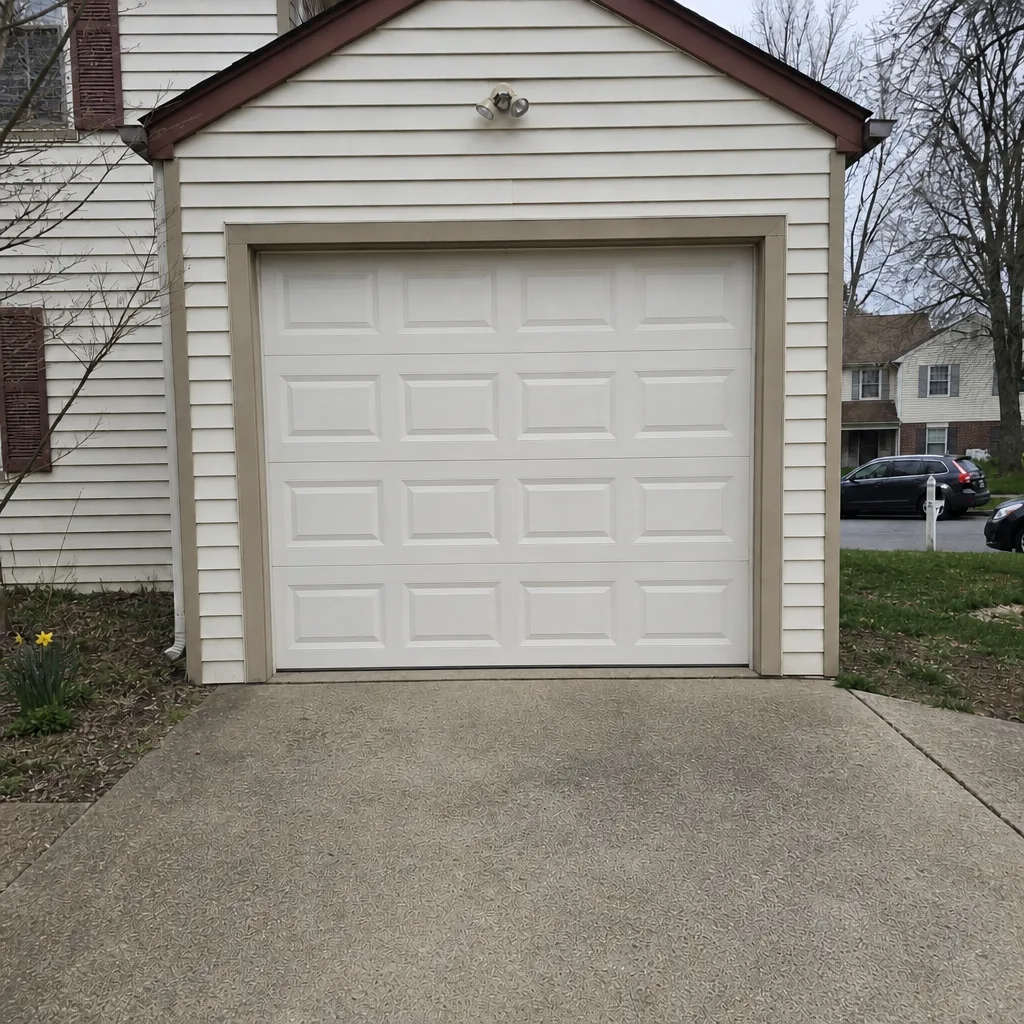
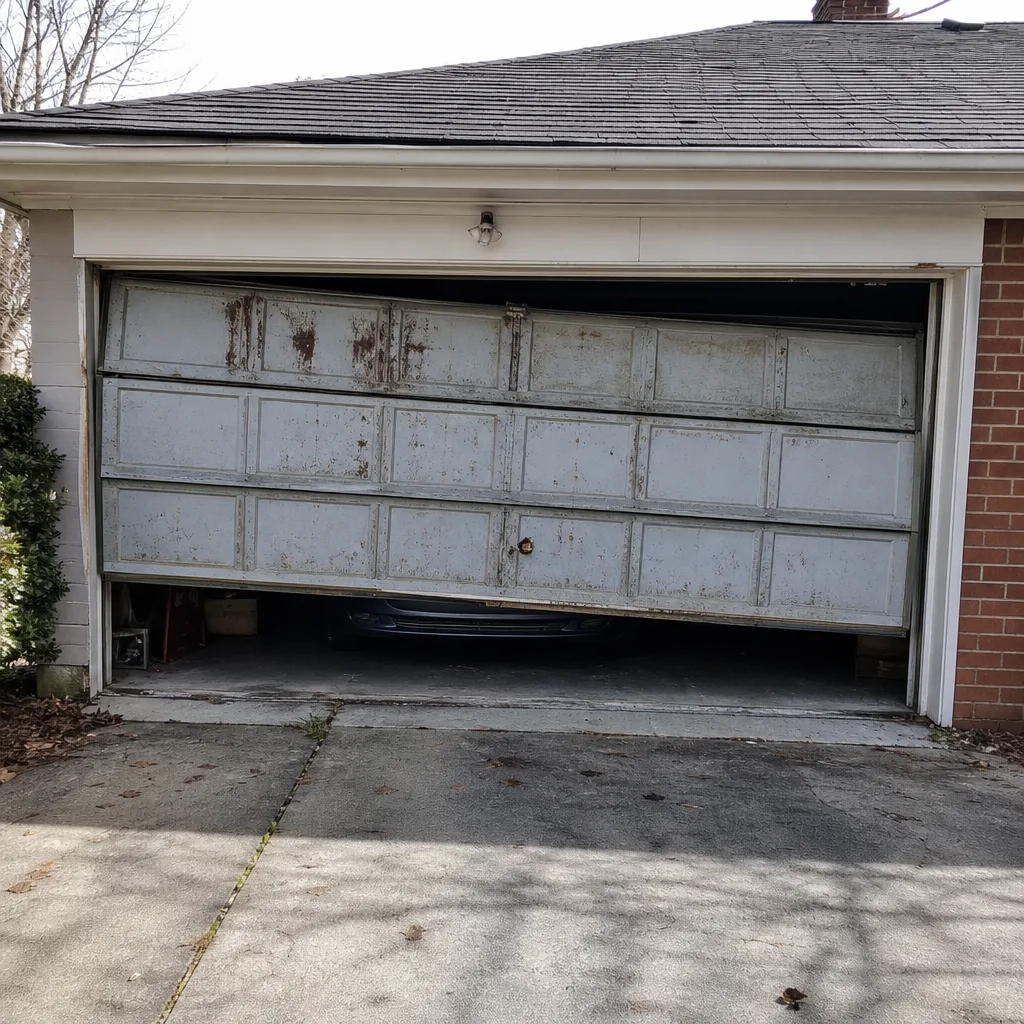
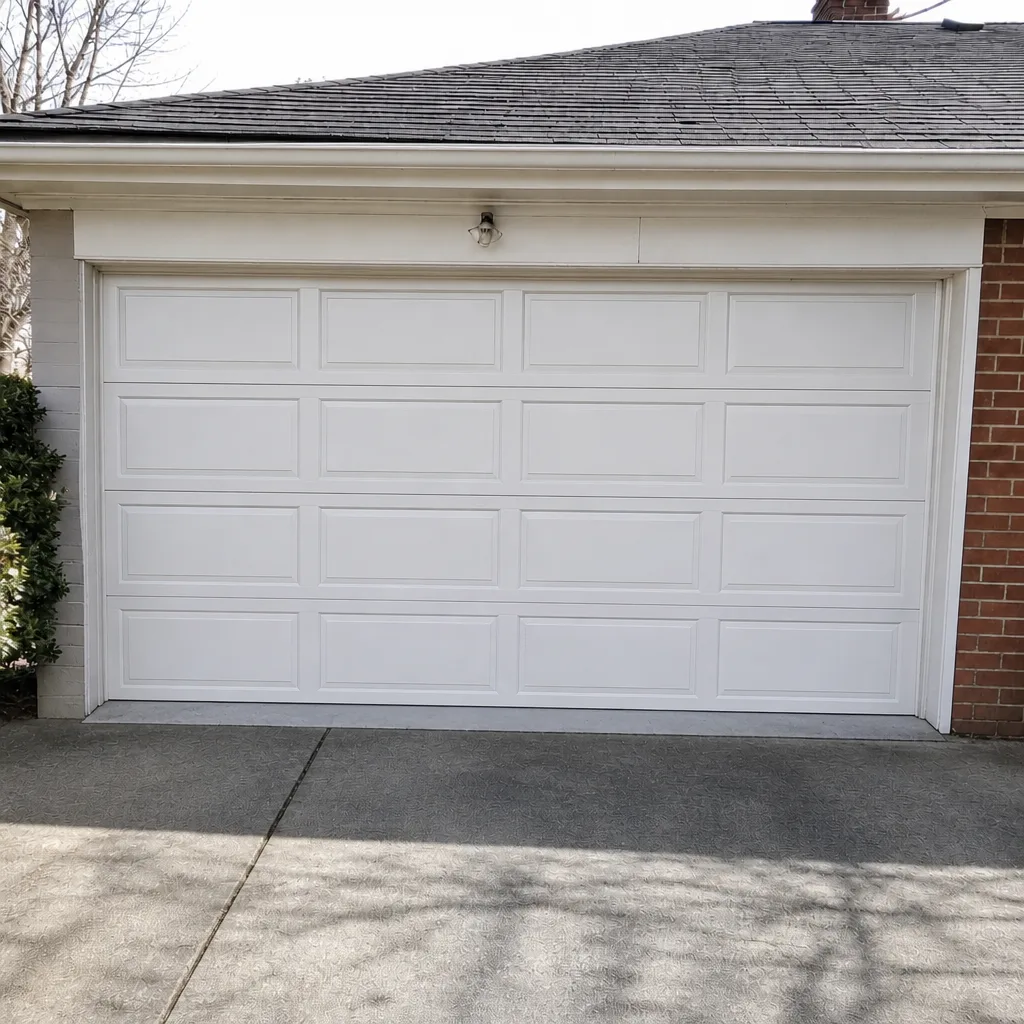
See the difference
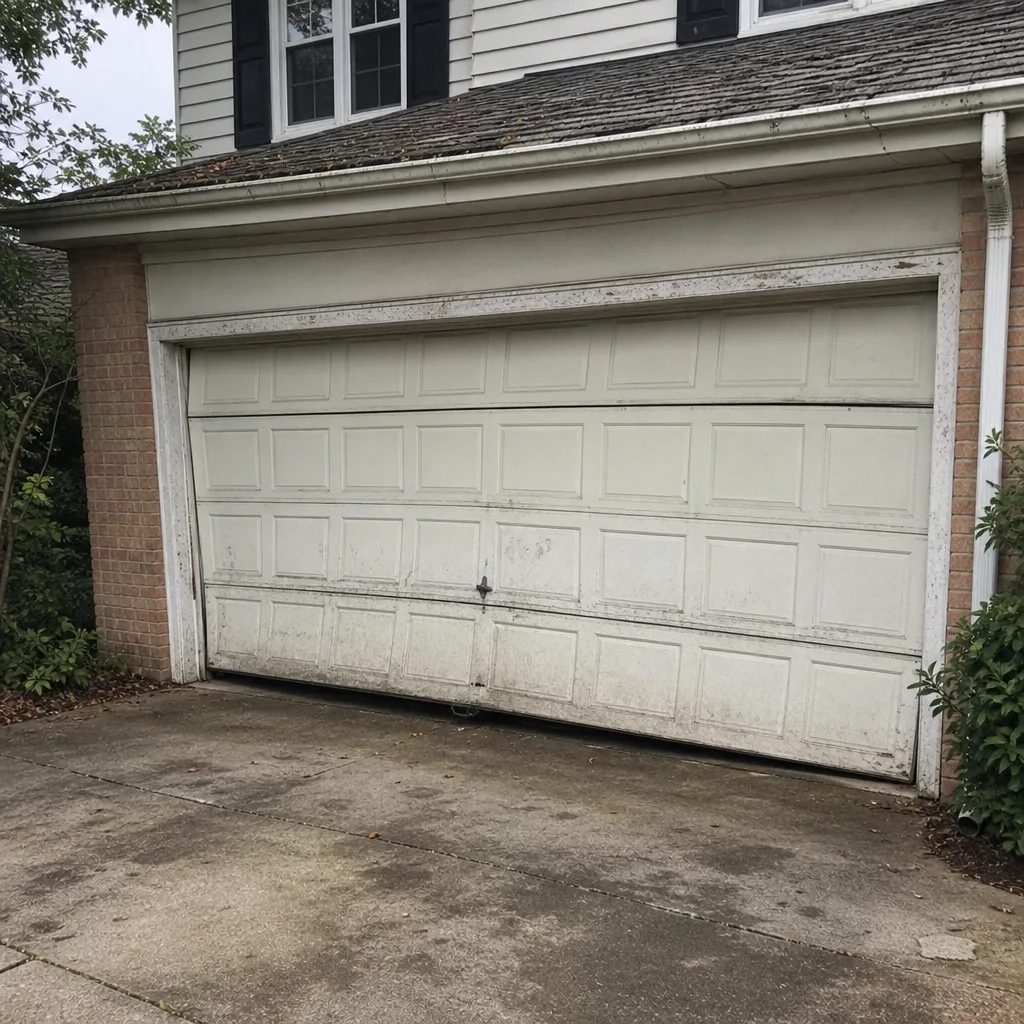 Before
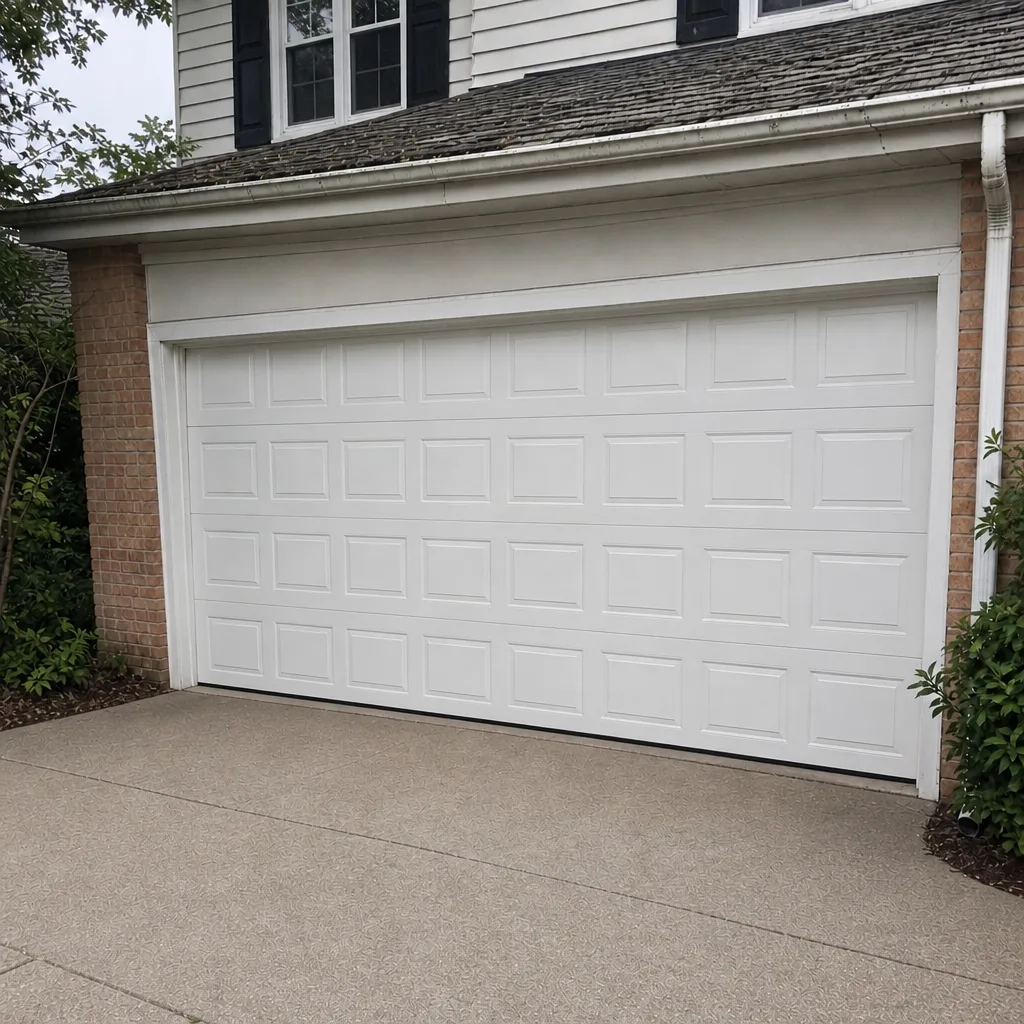 After
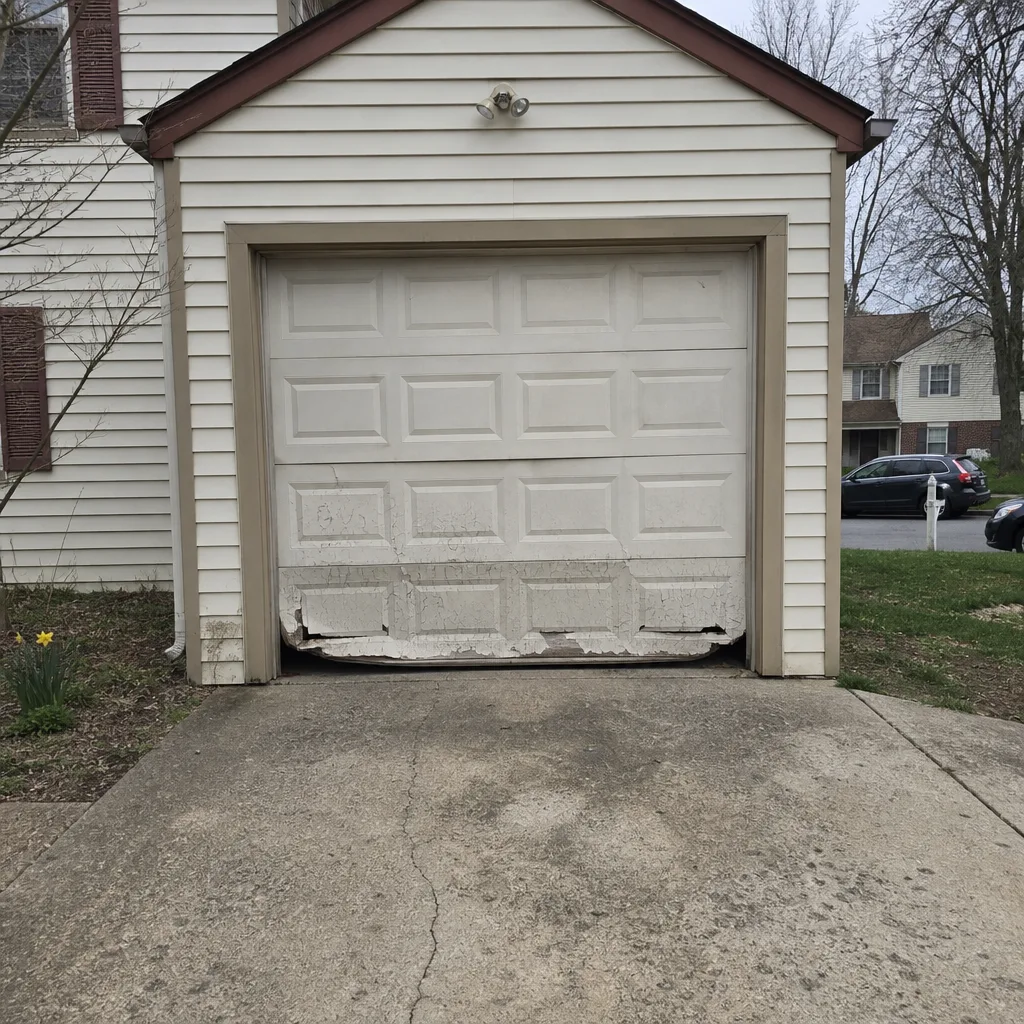 Before
 After
 Before
 After
When to Call a Professional
Some situations are safe to handle yourself, and some aren’t. Call a professional if a spring snaps, a cable frays or comes loose, the door won’t stay balanced when you test it, the opener struggles or stops moving the door, or the door comes off its track. If the door won’t move at all and you’re locked out or the door is stuck open, that’s an emergency call – we answer 24/7 and dispatch technicians from 7am to 7pm, Sunday through Friday. Garage Door Repair Germantown offers free estimates in Germantown – call (855) 752-3290. The written estimate sets the price before any work begins, so you’ll know the cost before a technician starts.
Frequently Asked Questions
Four times a year, timed to the seasons, is the right schedule for most homes. Lubricate and check hardware in March, clean the photo-eyes and tracks in June, inspect cables and springs in September and October, and check the weather seal and balance in December. A monthly visual glance and a listen for new noises fills in the gaps. Call (855) 752-3290 for a free estimate on a professional maintenance visit.
You can apply white lithium grease to the springs as a surface treatment, but you should never adjust, tighten, or attempt to repair them. Springs are under heavy tension and are the leading cause of serious garage door injuries. If a spring is snapped, stretched, or making noise, call a technician. Our spring repair specialists in Germantown handle this every day – call (855) 752-3290 for a free estimate.
The fall cable and spring inspection, done before cold weather sets in, prevents more winter emergencies than any other task. Cold contraction is what turns a marginal spring or cable into a snapped one, so checking them in September and October is the single most valuable thing a Germantown homeowner can do. Call (855) 752-3290 to schedule a fall inspection.
Watch for a door that won’t stay in place when you test the balance by hand, a door that’s noticeably harder to lift, a loud bang followed by the door not moving, or visible gaps and rust on the springs. Any of these means it’s time for a professional check. Don’t try to adjust the springs yourself. Call (855) 752-3290 for a free estimate.
First, check that the opener is receiving power and that the manual release hasn’t been pulled. If the door still won’t move, the likely causes are a snapped spring, a broken cable, or an opener failure – all of which need a technician. In Germantown, cold snaps are the most common time for these failures, so call (855) 752-3290. We answer 24/7 and dispatch from 7am to 7pm, Sunday through Friday.
Not every year, but you should check it annually. Replace the bottom weather seal when it’s cracked, flattened, or showing daylight underneath. In Germantown’s tree-lined neighborhoods, the seal is also a common pest entry point, so an annual fall check catches both the draft problem and the pest problem before either becomes serious. Call (855) 752-3290 for a free estimate on a seal replacement.
The Bottom Line
Garage door maintenance isn’t a monthly chore list – it’s four seasonal tasks timed to the stress the door actually faces. Lubricate and check hardware in March after winter salt and grit. Clean the photo-eyes and tracks in June. Inspect cables and springs in September and October before cold contraction. Check the weather seal and balance in December. Log what you find so a technician can spot wear patterns. Never touch the springs or cables yourself – that’s a job for a trained specialist. The fall cable and spring inspection is the one task that prevents the most winter emergency calls in Germantown. Get that one right and you’ll likely skip the January repair. If you’d rather have a professional handle the schedule, or if something on your door already needs attention, call (855) 752-3290 for a free estimate. We’re garage door specialists, not generalists – every technician on every call works on garage doors, and every job starts with an upfront quote you agree to before we begin.
Written by the team at Garage Door Repair Germantown.