
Last updated November 23, 2026
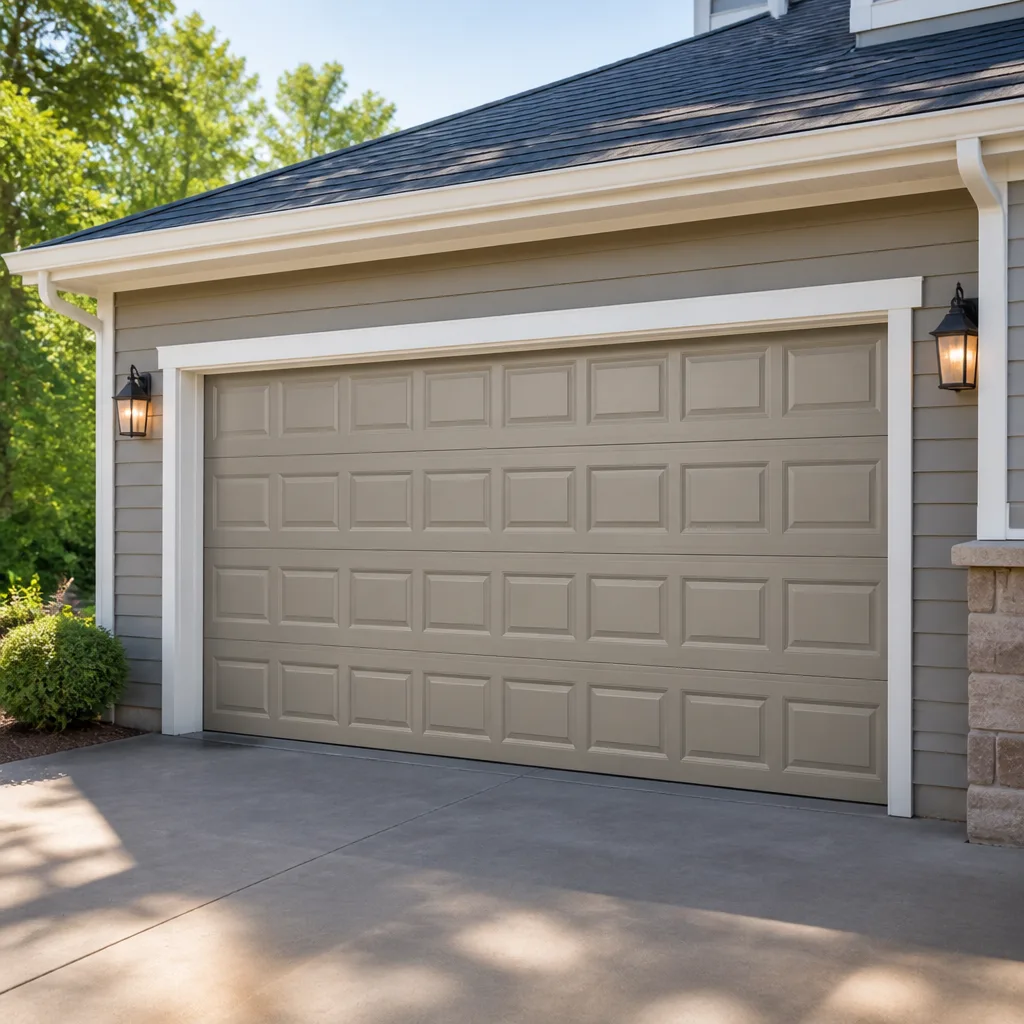 Raised-panel steel
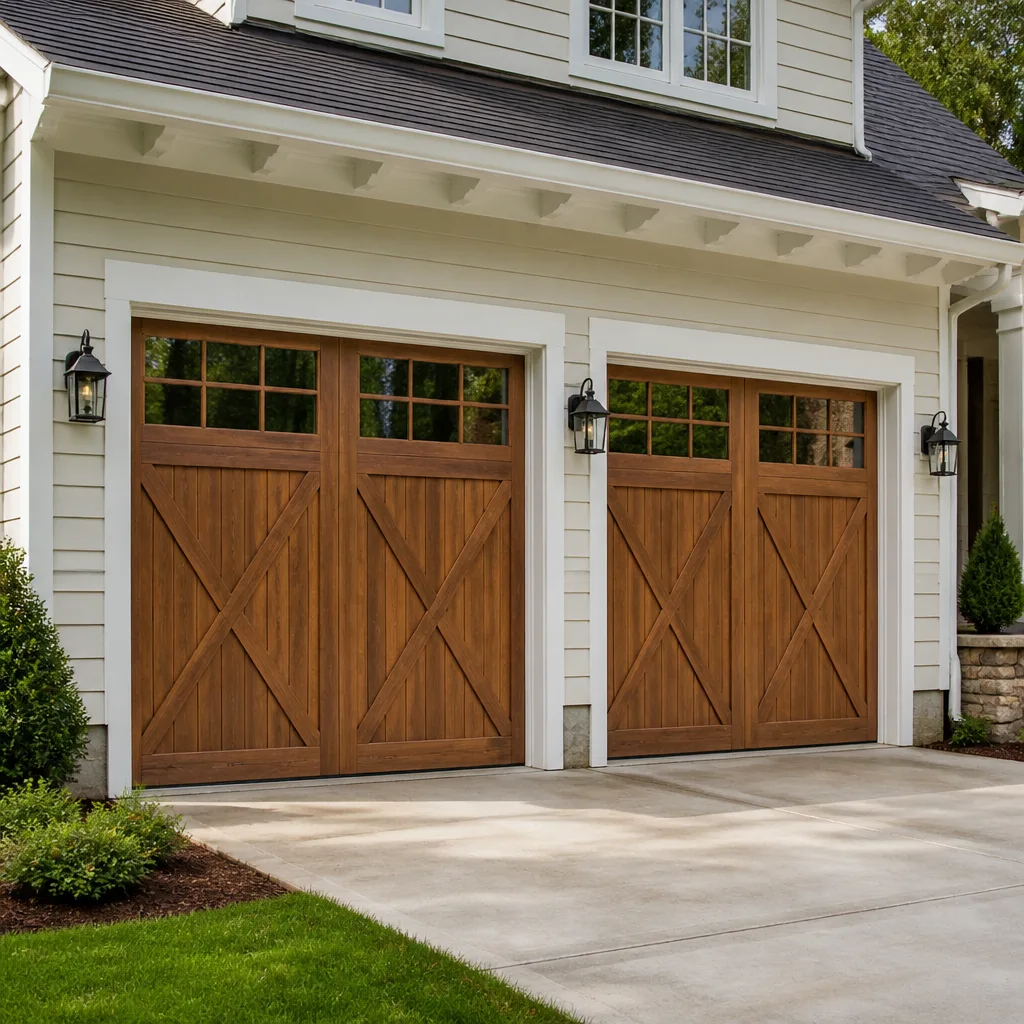 Carriage house
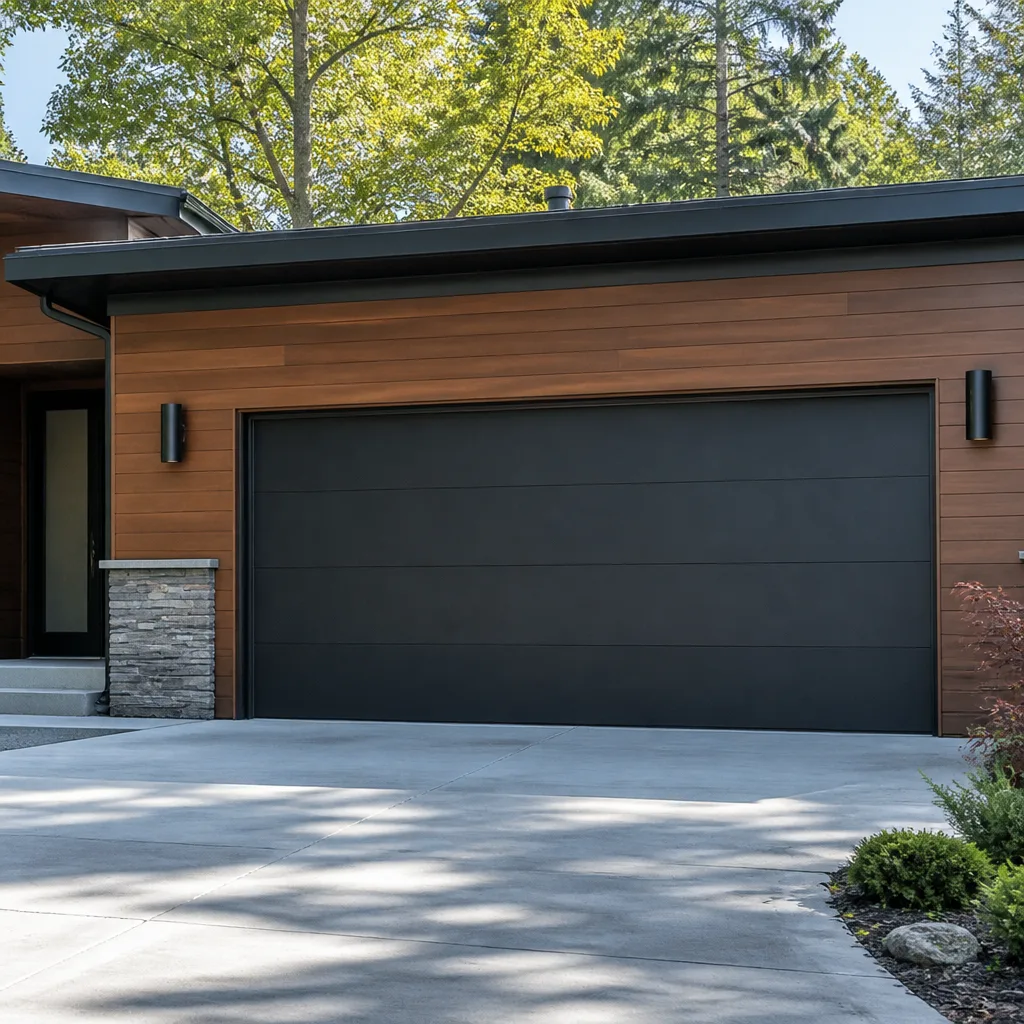 Modern flush
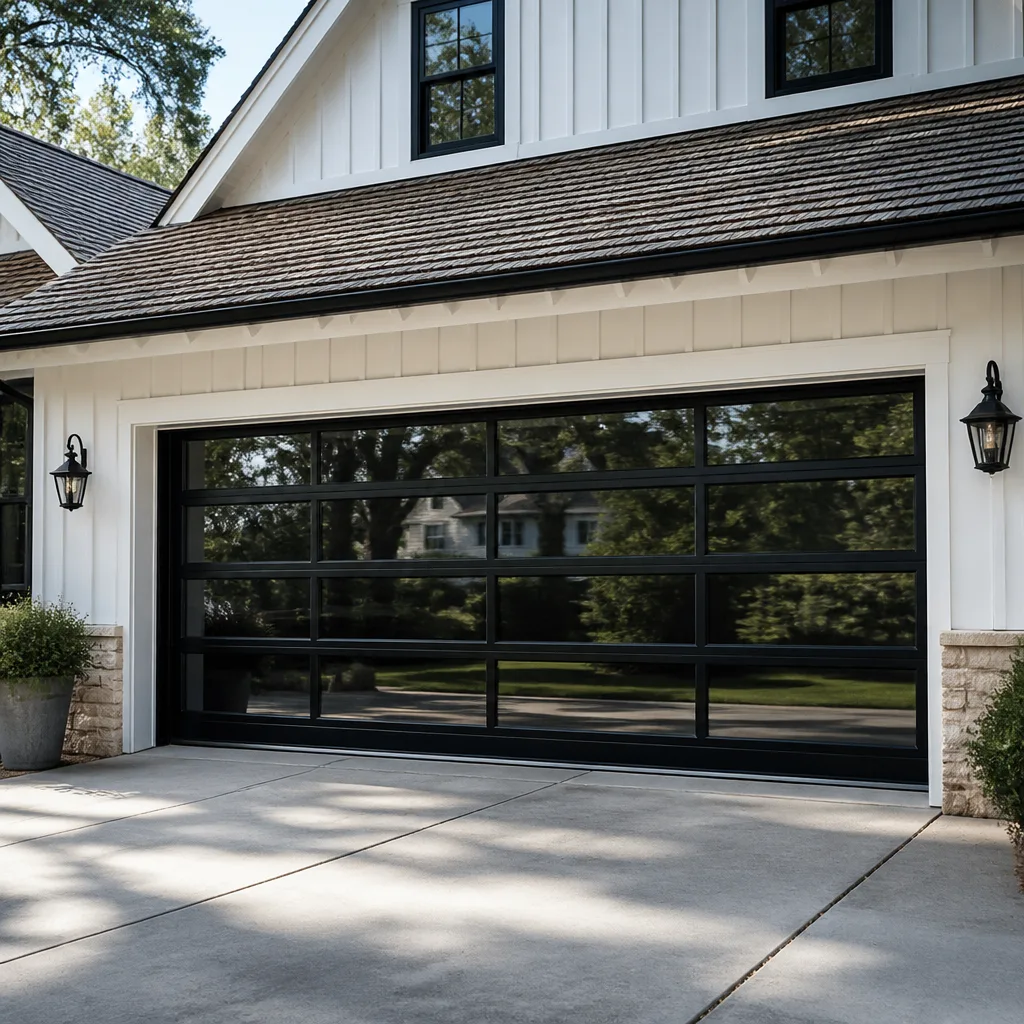 Full-view glass
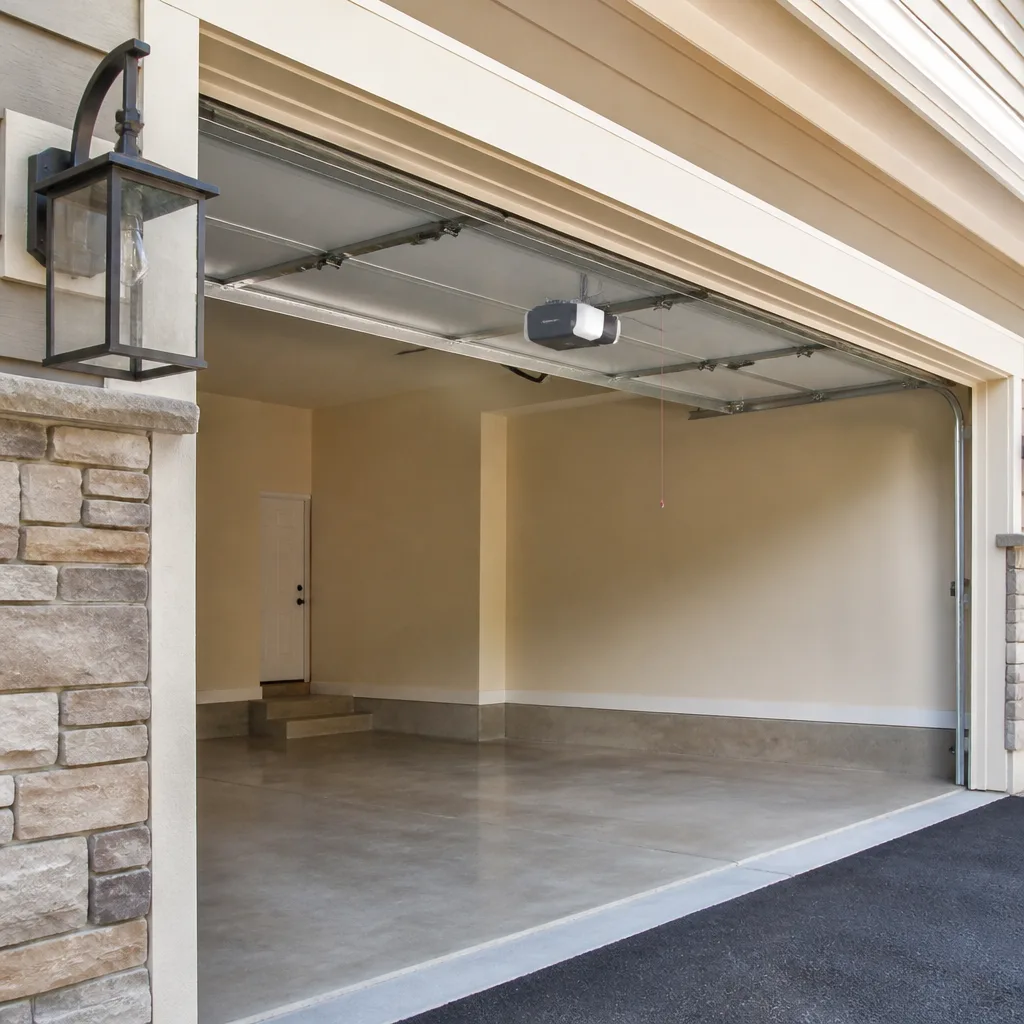 LiftMaster openers
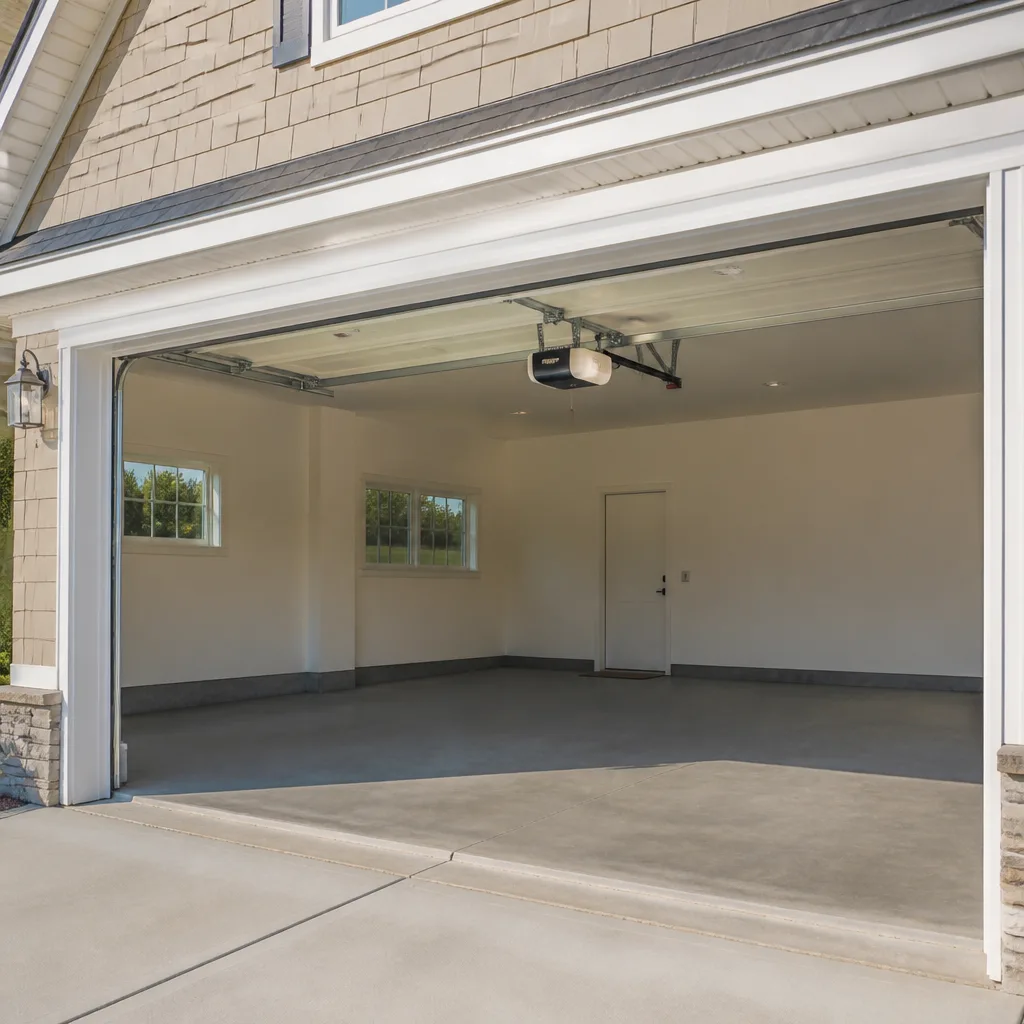 Chamberlain openers
Full 25-point door and opener safety check with every visit - springs, cables, rollers, tracks, and your LiftMaster or Chamberlain opener included
You get a price before we start. It does not change when the pro arrives.
Get your free estimateGarage Door Repair Troubleshooting in Germantown: Common Problems and How to Fix Them
Most garage door troubleshooting advice starts in the wrong place. It starts with the door. The right place to start is your own safety: a standard sectional door can hold roughly 300 lbs of tension in its springs at any given moment, and that tension is what makes the door feel light enough to lift with one hand. Understanding which of the five mechanical categories your problem falls into tells you within a minute whether this is a screwdriver job or a technician job. This guide walks Germantown homeowners through accurate diagnosis first, safe checks second, and the non-negotiable professional repairs last.
Quick Answer
Garage door troubleshooting in Germantown starts with sorting the symptom before touching anything: won’t open, won’t close, opens partway, makes noise, or moves crooked. Each symptom points to a different mechanical category, and only some categories are safe to check yourself. Sensor alignment, track obstructions, roller lubrication, and opener resets are genuinely DIY-safe. Spring replacement, cable work, and anything involving the torsion assembly are not, and belong with a trained garage door technician.
Call (855) 752-3290. We answer 24/7. Fast dispatch from 7am to 7pm, Sunday through Friday. Estimates are free, and the price is quoted and agreed before any work starts.
Styles & brands we work with
- Raised-panel steel
- Carriage house
- Modern flush
- Full-view glass
- LiftMaster openers
- Chamberlain openers
Table of Contents
- How a Garage Door’s Five Systems Work Together
- The Symptom-First Diagnostic Framework
- What’s Safe to Check Yourself and What Isn’t
- Why Germantown Humidity Causes Specific Failures
- The Two-Finger Balance Test
- What LiftMaster and Chamberlain Error Codes Actually Mean
- When to Call a Professional
- Frequently Asked Questions
How a Garage Door’s Five Systems Work Together
A garage door is five mechanical systems stacked on top of one another, and every symptom you notice traces back to one of them. Understanding those systems is what turns a mysterious non-working door into a diagnosable problem.
The springs. Torsion springs (mounted on a shaft above the door) or extension springs (running along the horizontal tracks) counterbalance the door’s weight. A torsion spring carries the full load through its coils, which is why spring work is the most dangerous part of any garage door repair. If you’re dealing with a spring that has visibly snapped or a door that won’t lift at all, our garage door spring repair covers what a proper replacement involves.
The cables and drums. Cables run from the bottom corners of the door up to drums on the spring shaft. They transfer spring tension to the door and keep it level.
The tracks and rollers. Vertical and horizontal tracks guide the door’s path. Rollers sit inside the tracks and take the friction load of every open and close cycle.
The hinges and panels. Hinges connect door sections and allow the door to fold as it curves into the horizontal track. Panels are the visible surface and, on wood doors, the water-vulnerable part.
The opener and safety system. The motor, rail, and carriage (traveler) lift the door once the springs have done their balancing work. The safety reversal system includes the photo-eye sensors near the floor and the pressure or force setting on the opener itself.
When we troubleshoot a Germantown door, we’re asking one question: which of these five systems produced the symptom the homeowner noticed? If you can answer that, you already know whether to pick up a screwdriver or a phone.
The Symptom-First Diagnostic Framework
The single most useful troubleshooting habit is to stop describing the problem in general terms and start naming the symptom precisely. A “broken garage door” could mean five different repairs. A door that “opens six inches and reverses” means one specific repair. Here’s the framework we use in the field.
Step 1: Name the symptom
- Door won’t open at all. Motor runs but door doesn’t move, or motor doesn’t run.
- Door won’t close or reverses immediately. Often a sensor or force-setting issue.
- Door opens partway then stops or reverses. Usually a balance or track problem.
- Door makes a loud bang, snap, grinding, or screeching noise. Categorize the sound: a single loud bang is almost always a snapped spring.
- Door moves crooked, or one side lags the other. Cable, drum, track, or roller problem.
Step 2: Categorize the failure
- Electrical/control failure: opener, remote, wall button, or sensor.
- Balance/spring failure: torsion or extension spring, cables, drums.
- Guide failure: tracks, rollers, hinges.
- Structural failure: panels, stiles, bottom seal.
- Safety system failure: photo-eye sensors or force settings.
Step 3: Match symptom to category
A “won’t close” symptom from a LiftMaster or Chamberlain unit where the motor runs fine is an electrical/control or safety system failure, and it’s usually safe to investigate. A “loud bang” from the spring area is a balance failure, and it is never a DIY job, no matter how handy you are. A crooked door is usually a cable or track failure. That distinction is the whole game.
What’s Safe to Check Yourself and What Isn’t
We’re not going to pretend every garage door problem needs a technician. Some genuinely don’t. What matters is that you know exactly where the line is, and that a technician always handles anything on the red side of it.
Genuinely DIY-safe checks and fixes
- Clearing the photo-eye sensors. The two sensors near the floor on either side of the door can be knocked out of alignment by a trash can, a garden hose, a bike tire, or the dog. Straighten them so the light on each sensor glows steady (not blinking).
- Checking the sensor wiring. A sensor that never lights up at all may have a loose wire behind the unit or at the opener terminal. Trace it visually for a break or a chewed section.
- Removing obstructions. A tennis ball, a rake handle, a fallen leaf pile, or a child’s toy in the door’s path will trip the safety reversal. Sweep the floor and inspect before you assume the door is broken.
- Resetting the opener. Unplug the unit for 30 seconds and plug it back in, or press the opener’s reset button if it has one. This clears a stalled logic board the way re-starting a home router does.
- Re-pairing a remote or keypad. Follow the opener brand’s pairing steps. For LiftMaster and Chamberlain units, the button is usually on the motor housing under the light lens cover.
- Lubricating rollers and hinges. A garage door specific lithium grease or silicone spray on the roller stems, metal hinges, and the torsion shaft bearings extends roller life and quiets the door significantly.
- Testing the door’s force setting. Lighter-weight tests, like holding the door with two hands and noting how much resistance it takes to reverse, tell you whether the opener is set too aggressive.
Never DIY
- Spring replacement. A torsion spring is under continuous tension. Cutting the wrong winding on an already-relaxed spring, or releasing a live one, can cause serious injury. This is the number one cause of garage door emergency room visits.
- Cable replacement or adjustment. Cables carry spring tension. A cable that slips free can whip with enough force to cause injury.
- Drum and shaft work. Same risk category as springs.
- Removing, replacing, or re-tensioning the torsion tube. Never.
- Straightening a bent track while the door is under spring tension. A door that springs free from a bent track can drop hard.
If any of those last items describe your problem, close the phone book on the DIY section and call a technician. Our team has up to 9 years of experience and specialized training on the tools and hardware these jobs require.
Why Germantown Humidity Causes Specific Failures
Generic national garage door guides never mention climate, and it costs Germantown homeowners money. The mid-Atlantic humidity swing here – muggy summers, dry cold snaps in January – stresses garage doors in specific ways that a Phoenix or Denver guide wouldn’t recognize.
Swollen wood sections and sticking doors
Older Germantown homes and wood-composite doors absorb summer moisture into panel edges, stiles, and bottom rails. Wood swells very slightly, but a door’s tolerances are tight – a few hundredths of an inch of swell is enough to make a wood door drag or stick on a humid July morning. It usually eases when the air dries out. If it doesn’t ease, the door needs adjustment, not replacement.
Rusted tracks, rollers, and hinges
Humidity plus the ambient moisture inside an unconditioned garage is rough on unpainted steel. Vertical and horizontal tracks develop surface rust at the mounting points and along seams, and rust creates drag on the rollers. We see this most in older homes around the Churchill Village and Milestone areas where garages haven’t been continuously climate controlled. A light touch of silicone spray on roller stems and a wipe-down of track seams is the routine maintenance that prevents it.
Warped panels and bottom seal rot
The rubber bottom seal hardens in dry winter cold and then cracks in the next humid summer. Wind-driven rain against west-facing doors accelerates this. A rotten bottom seal lets moisture under the door, which is where the swelling starts.
Seasonal spring tension fluctuation
Cold weather contracts metal – the door feels heavier in January than it did in October, even before a spring has failed. A door that starts to feel noticeably harder to lift in cold weather is a door whose springs are already weakening. It’s one of the clearest early warning signs.
If any of these climate patterns describe your door, our garage door repair team handles the wear-and-tear side of Germantown humidity damage routinely.
The Two-Finger Balance Test
You can tell whether your springs are worn out long before they snap, and you don’t need to touch the spring to do it. This is the test we recommend every Germantown homeowner runs twice a year.
How to run the two-finger balance test
- Disconnect the opener first. Pull the red emergency release handle to detach the door from the opener carriage. This is critical: with the opener attached, the motor is doing some of the lifting and your test will be inaccurate.
- Lift the door by hand to about waist height. Let it go. A properly balanced door should stay roughly where you put it, or drift down only a few inches.
- Lift the door to shoulder height and let it go. Same result expected.
- Lift to head height and let it go. Same result expected.
- Lift it to fully open. If the door slams down or feels light as a feather to lift, the springs are over-tensioned.
- Two-finger test on a balanced door. A properly working spring set should let you lift the door with two fingers from a resting position. If you have to use a full hand or a shoulder, the springs are worn and need replacement.
What the results mean
- Door stays where you put it at every height: springs are in balance, no action needed.
- Door falls like a stone at any height: springs are broken or badly under-tensioned. Stop using the door and call for service.
- Door rises on its own: springs are over-tensioned or the door has the wrong spring set for its weight. Also a technician call – over-tension is as dangerous as under-tension.
- Door is very heavy at all heights: springs are worn. It won’t snap today, but it will, so plan a replacement.
Re-attach the opener once you’ve finished the test. If the door fails the test, do not run the opener, since a weakened spring plus a motor working against it accelerates the failure. We can give you an exact quote on a spring replacement after a quick on-site look.
What LiftMaster and Chamberlain Error Codes Actually Mean
Modern openers have diagnostic codes, but they read like stereo instructions. Here’s what the most common codes on LiftMaster and Chamberlain units actually mean in plain language.
Up-arrows and down-arrows blinking (commonly 1 through 6 blinks)
A short sequence of blinks on either up or down arrows is the motor’s way of saying the problem is on the travel path or the safety reversal system, not the motor itself. Each code points to a different specific issue – a sensor obstruction, a force setting that’s too high, or a board fault – and the manual maps them. Resetting the opener (unplug for 30 seconds) clears the code long enough to test the door. If the code returns, that’s your diagnosis.
Lock circuit or “Lock” light stuck on
The vacation lock is often enabled by a stray keypad command. On most units, press and hold the lock button on the wall control for a few seconds to disable it. This is one of the most common “my opener is broken” calls that turns out to be a setting.
Constant flashing light and no response
Usually the sensor’s own LED is out, meaning the unit lost its photo-eye communication. Check the small light on the outside sensor – if it isn’t glowing steady (not blinking), the sensor assembly or its wiring has failed. Straightening and cleaning are the first checks; a sensor replacement is the fallback.
Beeping errors or “safety” alerts on newer LiftMaster units
LiftMaster openers with built-in battery backup beep on a schedule to remind you to check the battery. A beeping that’s not the safety-reversal alarm is a backup battery reminder, not a door fault. Replace the battery and the beeping stops.
Chamberlain “myQ” connectivity issues
If a Chamberlain garage door opener won’t connect to the app, the fix is usually the router, not the opener. Check that the opener’s Wi-Fi hub has power and that the network password hasn’t changed. Re-run the pairing sequence from the manual rather than resetting the whole unit.
For any code you can’t clear by resetting and inspection, our garage door opener repair is the direct next step. We service LiftMaster, Chamberlain, Genie, and other major brands.
Common Mistakes to Avoid
- Using WD-40 or household oil on the tracks and springs. Standard WD-40 is a solvent, not a lubricant. It strips existing grease and attracts dust, which makes the problem worse. Use silicone spray or garage door specific lithium grease.
- Greasing the tracks themselves. The tracks are the guide, not the friction surface – the rollers are. Greasing the tracks attracts grit that fouls the rollers. Keep the tracks clean and dry.
- Adjusting the opener force setting all the way up to “fix” a sticking door. If the door sticks, the force setting isn’t the problem. Cranking force up is how you damage the opener panel or overpower the safety reversal in a dangerous way.
- Trying to straighten a bent track or replace a torsion spring with hand tools. These are the two most common at-home injuries we see on Germantown calls. A torsion spring must be released and re-wound using winding bars, and a track has to be removed and replaced cold, with spring tension already off.
- Re-engaging the red release handle in a panic. If the door is stuck partway open, homeowners sometimes pull the emergency release, which is meant for power outages. Pulled when the door is mid-travel, the door can slam shut. Know where that release is and understand it before you need it.
- Ignoring a slow-weakening spring. A worn spring is a spring that will eventually snap. Running the door for months on a weakened spring is how you turn a routine repair into an emergency.
- Painting over wood panel swelling. If a wood door section has swollen and started to stick, paint will flake off within a season. The fix is adjusting the door or replacing the affected section, not a fresh coat.
Our garage door spring repair handles every spring problem on the list above with the right tools and hardware. Nobody on our team is touching a torsion spring with hand tools, and neither should you.
See the difference
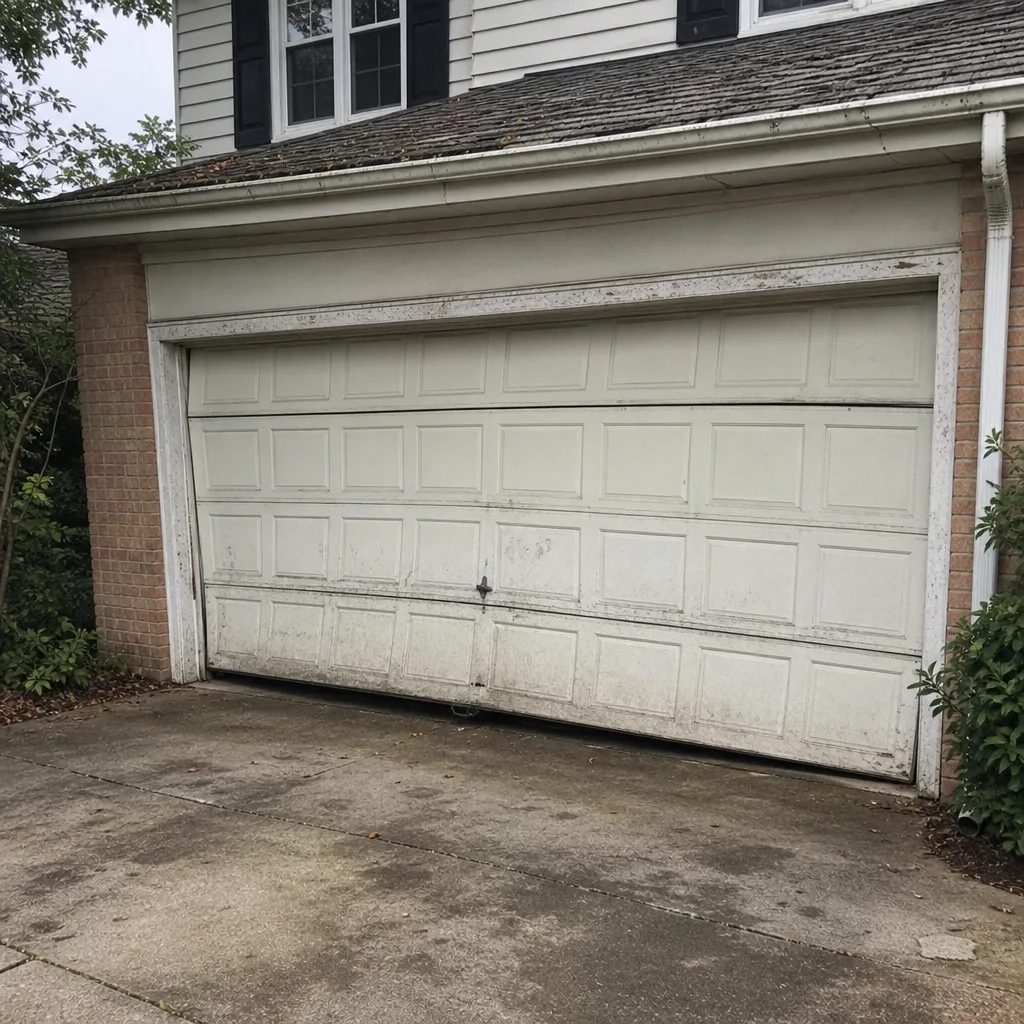 Before
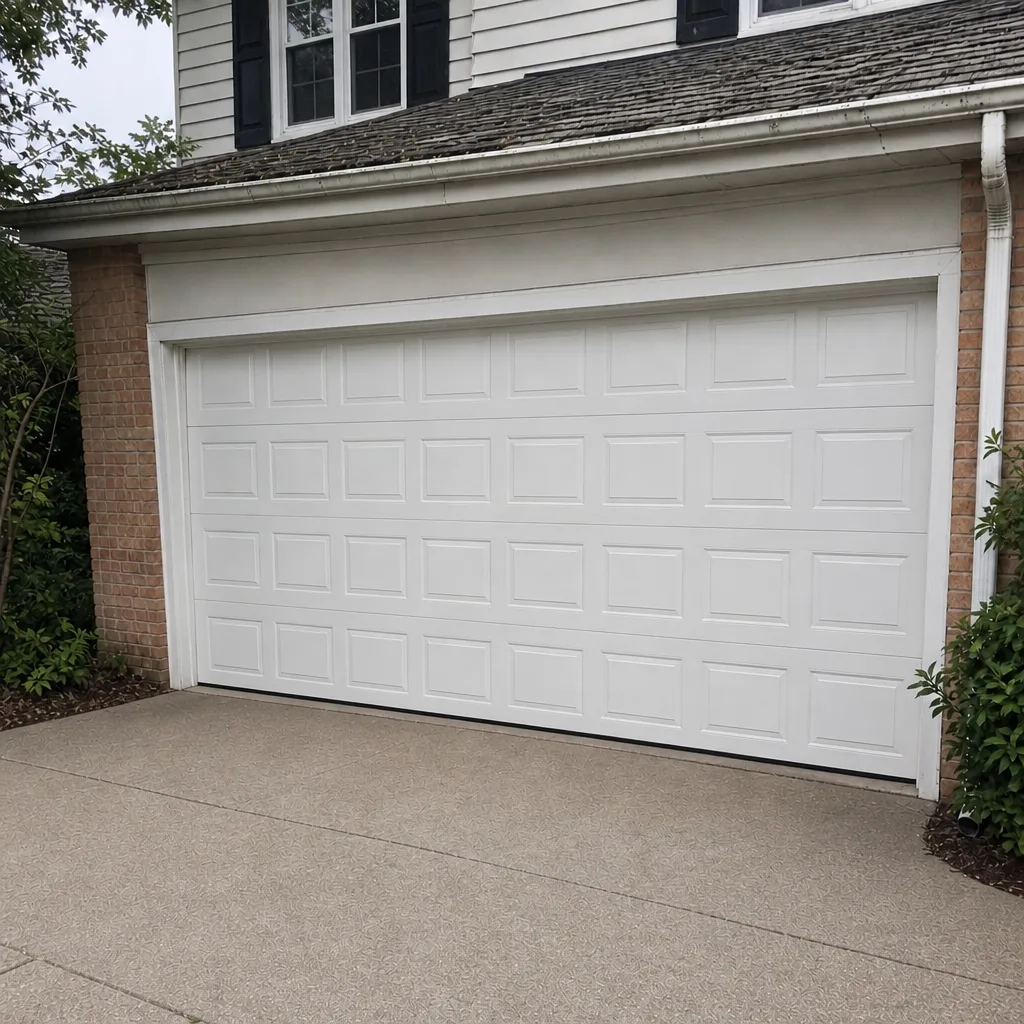 After
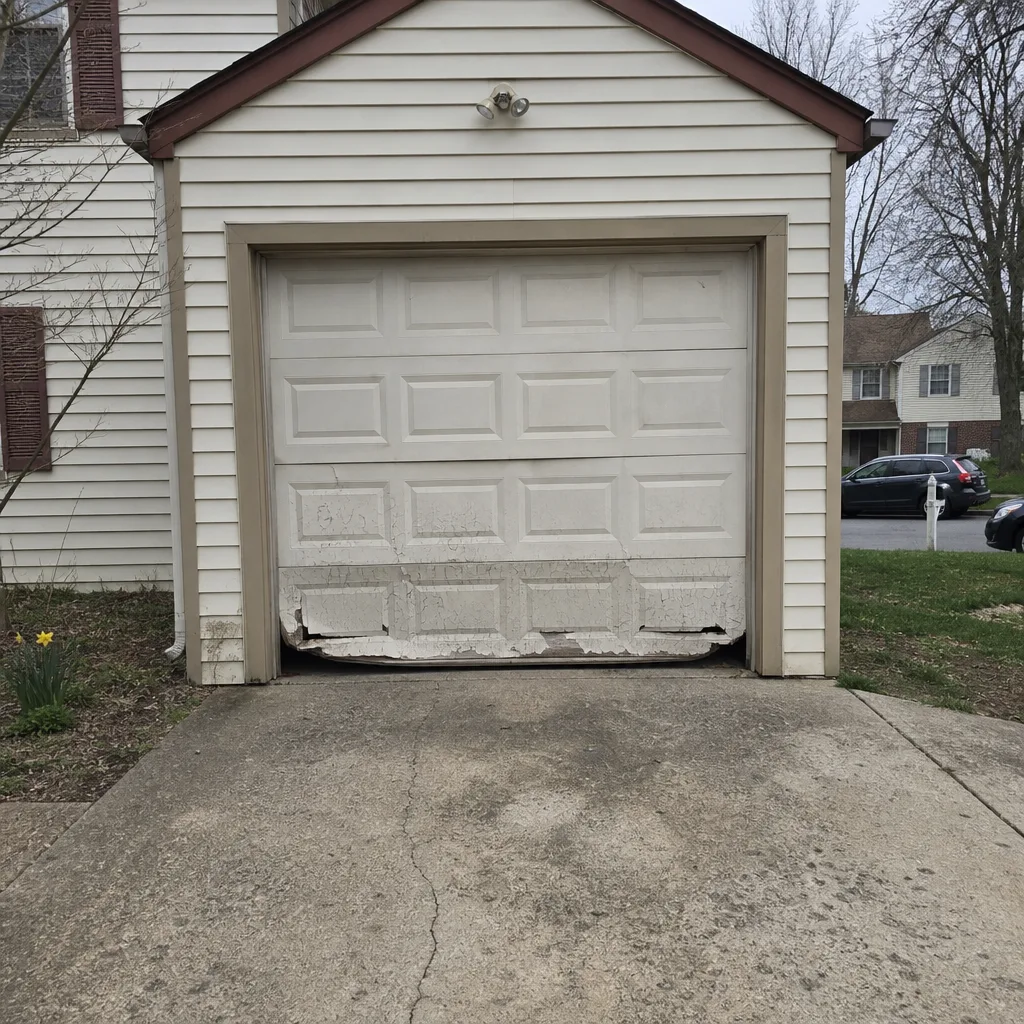 Before
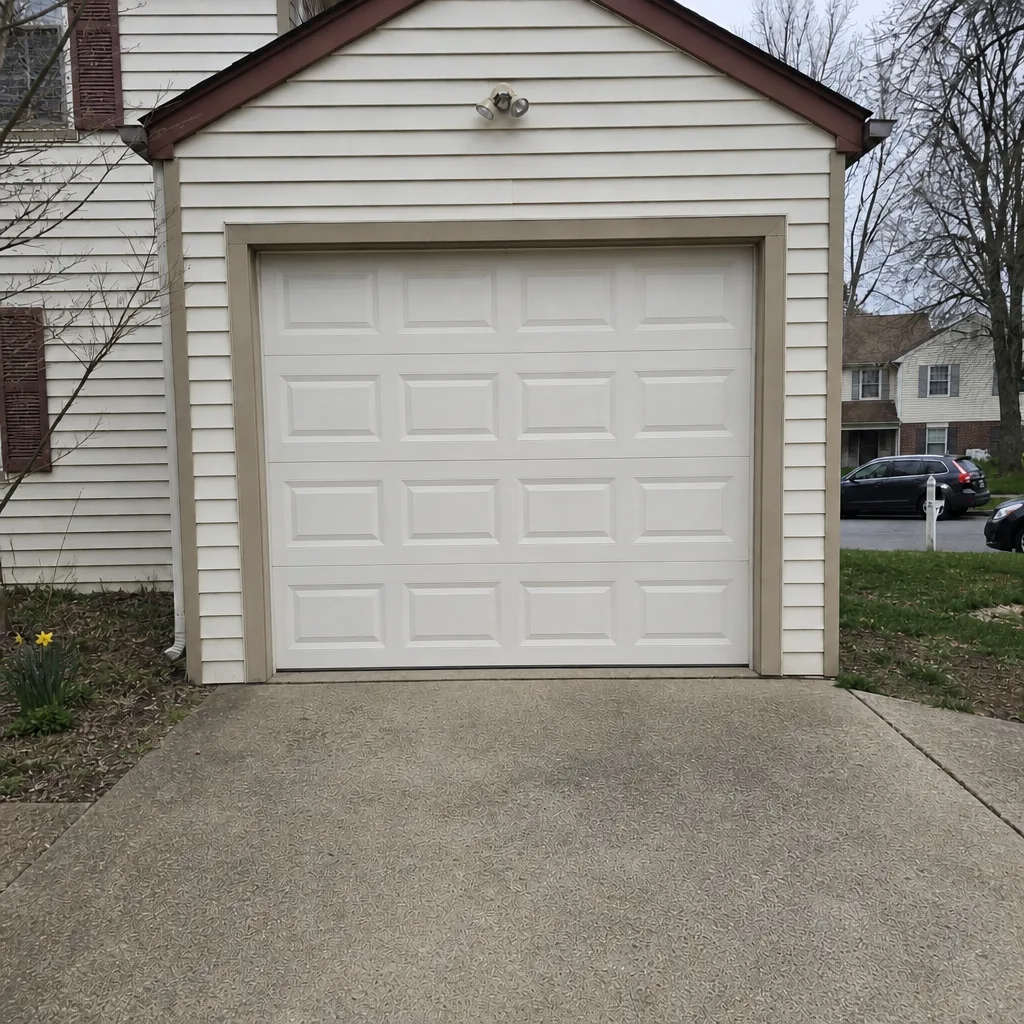 After
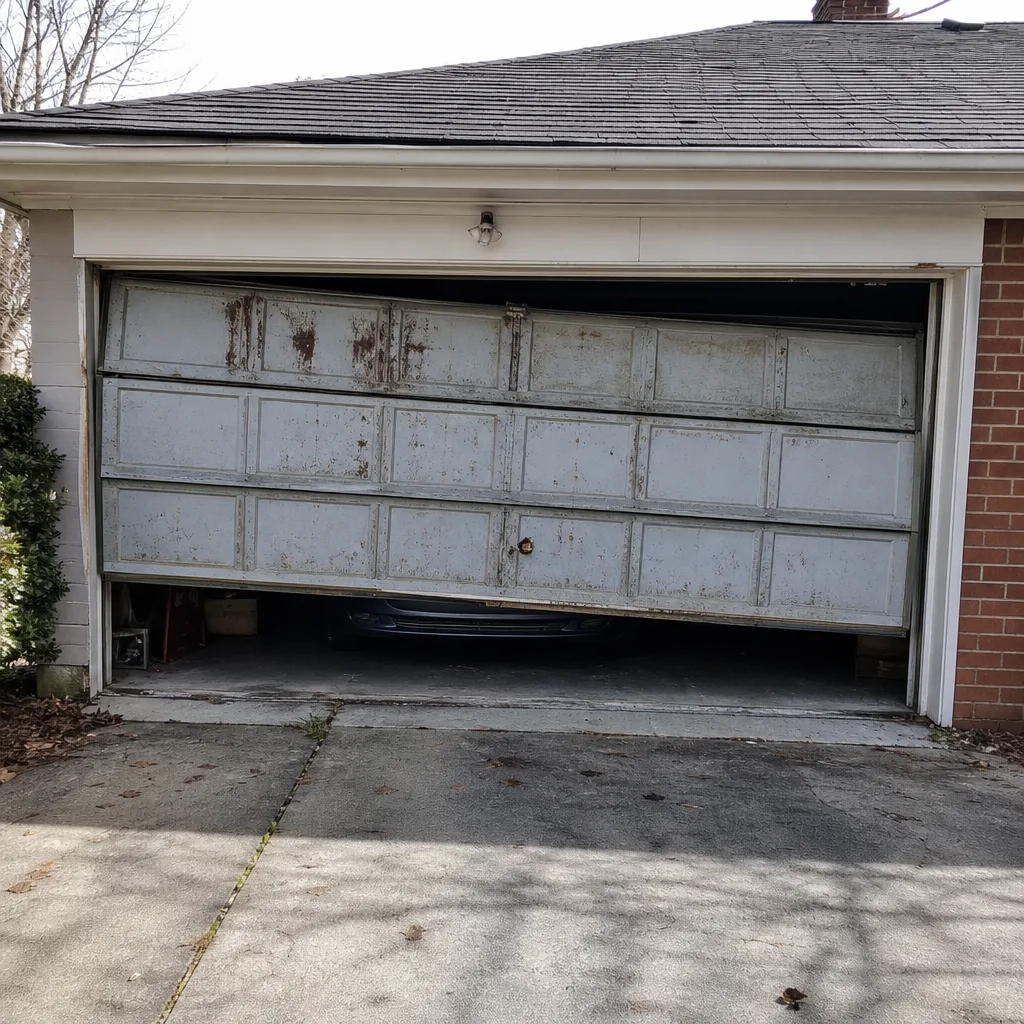 Before
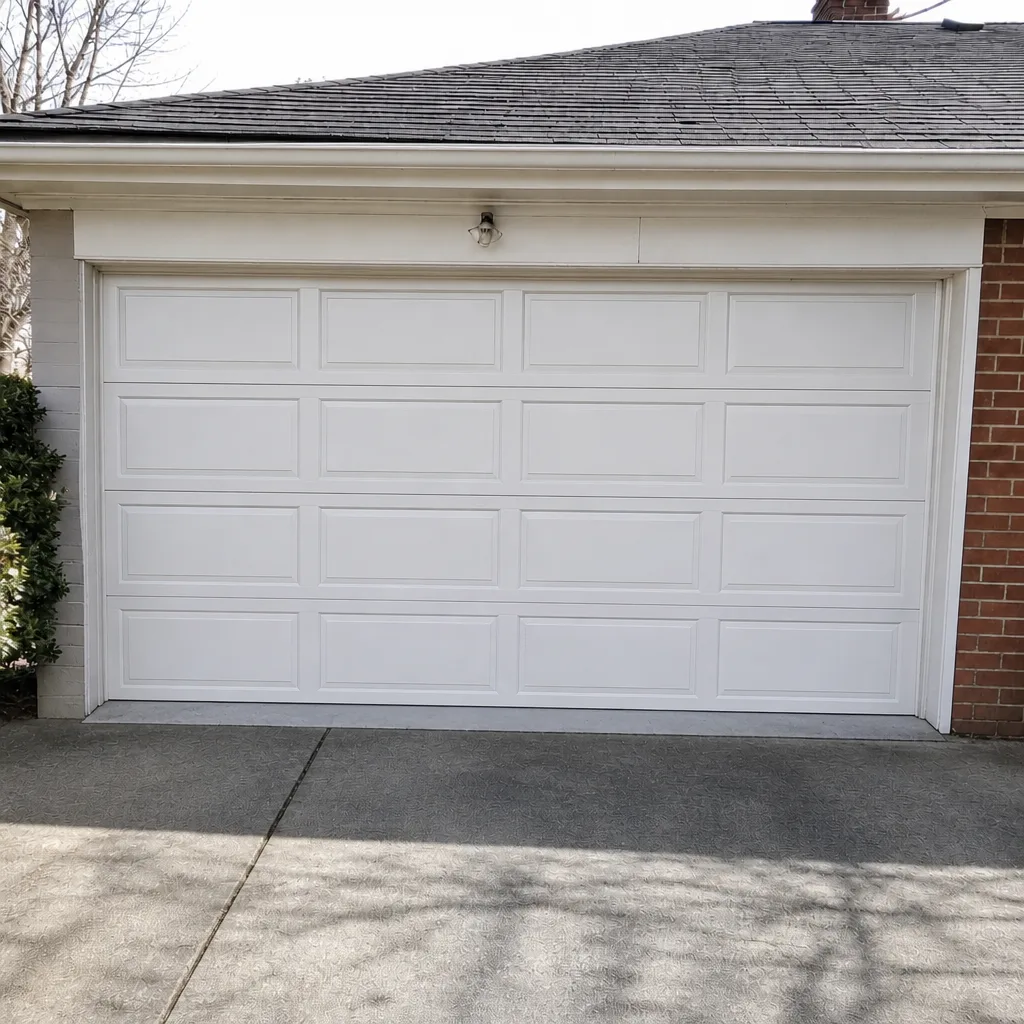 After
When to Call a Professional
Call a professional immediately if you’ve heard a loud bang from the spring area, if the door falls fast when you test it by hand, if you see a visible gap in one of the springs above the door, if the door has moved off its tracks, or if any cable looks loose, kinked, or has separated at a crimp point. These are all situations where a trained technician is worth far more than the money you think you’re saving. A door that moves crooked, sticks hard enough to need two hands, or reverses without visible obstruction is also a professional call, because the fix requires a judgement about balance and force settings that only a specialist can make accurately.
The garage door jobs that are safe to try yourself are the ones on the safe list earlier in this guide: sensor alignment, sensor cleaning, track obstruction removal, opener reset, remote pairing, and lubricating rollers and hinges. Beyond that, call us. Garage Door Repair Germantown offers free estimates in Germantown. Call (855) 752-3290. We answer 24/7. Fast dispatch from 7am to 7pm, Sunday through Friday. The price is quoted and agreed before any work starts.
Frequently Asked Questions
Most residential garage door repairs in Germantown fall within typical estimate ranges of about $150 to $450, with spring replacement, opener repair, and track or roller repairs each sitting at different points in that range. Spring replacement is usually the $200 to $400 neighborhood for a single spring, and a matched pair (which is what most technicians replace together) roughly doubles that figure. The written estimate you get before any work starts is the actual price for your specific job. Call (855) 752-3290 for an exact quote. Estimates are free.
Yes, same-day service is available for garage door emergencies in Germantown, and emergency garage door service is a real, dedicated offering for exactly this kind of call. If the door is stuck open, a spring has snapped, or the opener has failed before work, call us. We answer 24/7 and dispatch from 7am to 7pm Sunday through Friday. Call (855) 752-3290.
No. The price is quoted and agreed before any work starts, and the written estimate sets the final price. If we find something on-site that genuinely wasn’t reflected in the original diagnosis, we tell you before any additional work begins – never after. Call (855) 752-3290 for a free estimate.
The local independent professional we connect you with is licensed and insured as their state requires. Our team is certified to service eight major garage door and opener brands, including LiftMaster, Chamberlain, Genie, Clopay, Amarr, Wayne Dalton, Craftsman, and Raynor, and our technicians have up to 9 years of experience. Call (855) 752-3290 with any qualification question before booking.
A door that opens a few inches and reverses is almost always a balance problem – worn or broken springs – or a safety reversal system issue causing the opener to trip. It is not a door that needs its force setting adjusted upward. Stop running the door until a technician has diagnosed it, because a weakened spring can snap and injure anyone nearby. Our team can diagnose this on-site the same day. Call (855) 752-3290.
Torsion springs mount horizontally above the door on a steel shaft and are far more common on modern installations; extension springs run along the horizontal tracks on either side and are common in older homes. You can tell which you have by looking above the door: a horizontal coiled spring on a shaft means torsion, coils running the length of the side tracks mean extension. Both are dangerous to replace, and both benefit from a professional spring check before failure. Call (855) 752-3290 to book a spring inspection.
The Bottom Line
Most garage door problems sort themselves into a small number of mechanical categories once you learn to read the symptom first. Sensors, obstructions, remote pairing, and lubrication are all safe DIY territory. Springs, cables, drums, and anything involving the torsion assembly are not, and no amount of YouTube confidence changes that. Check the balance of your door twice a year and take the two-finger test seriously. Germantown humidity will stress wood and steel, and a little seasonal attention goes a long way toward keeping a door working through the muggy summer and the cold snap. When the diagnosis points to the professional side of the line, our Garage Door Repair Germantown team is ready to make it right. Call (855) 752-3290. We answer 24/7. Fast dispatch from 7am to 7pm, Sunday through Friday.
Written by the team at Garage Door Repair Germantown.