
Last updated November 23, 2026
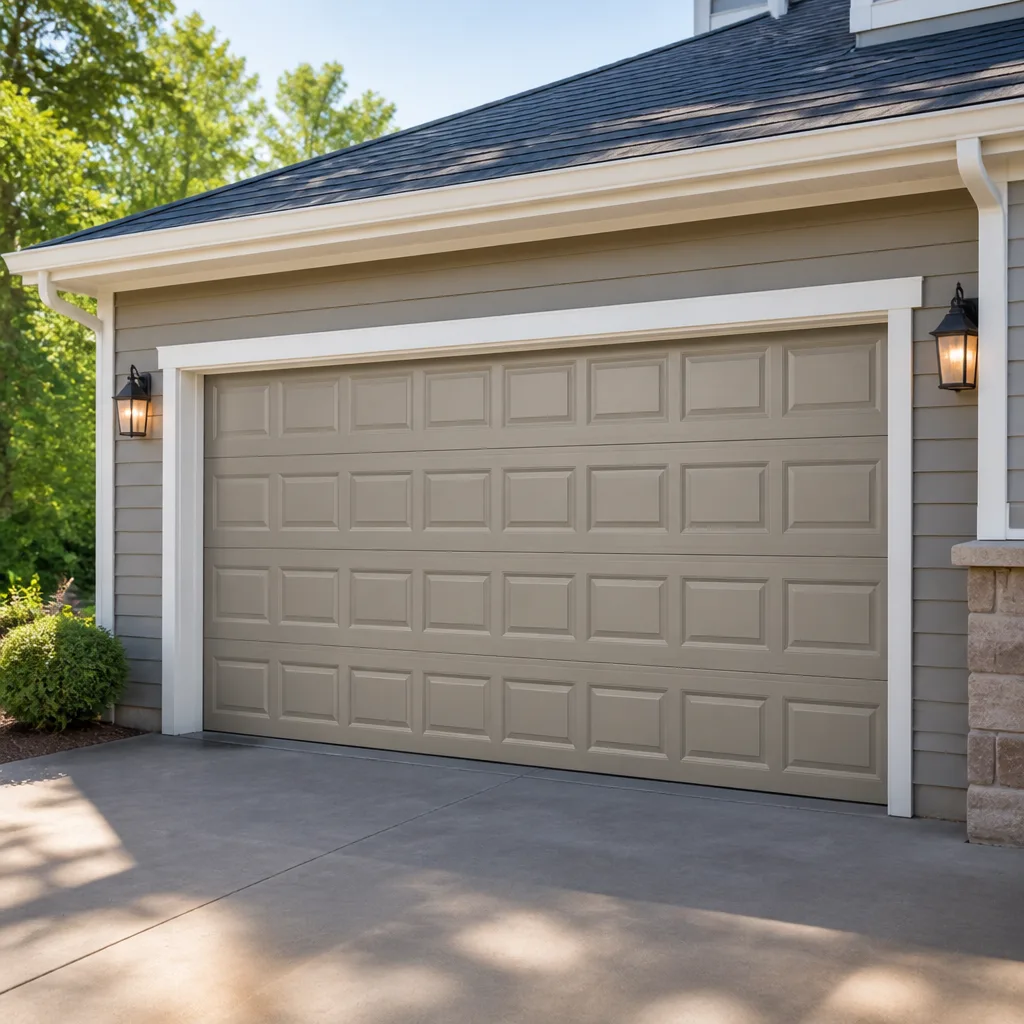 Raised-panel steel
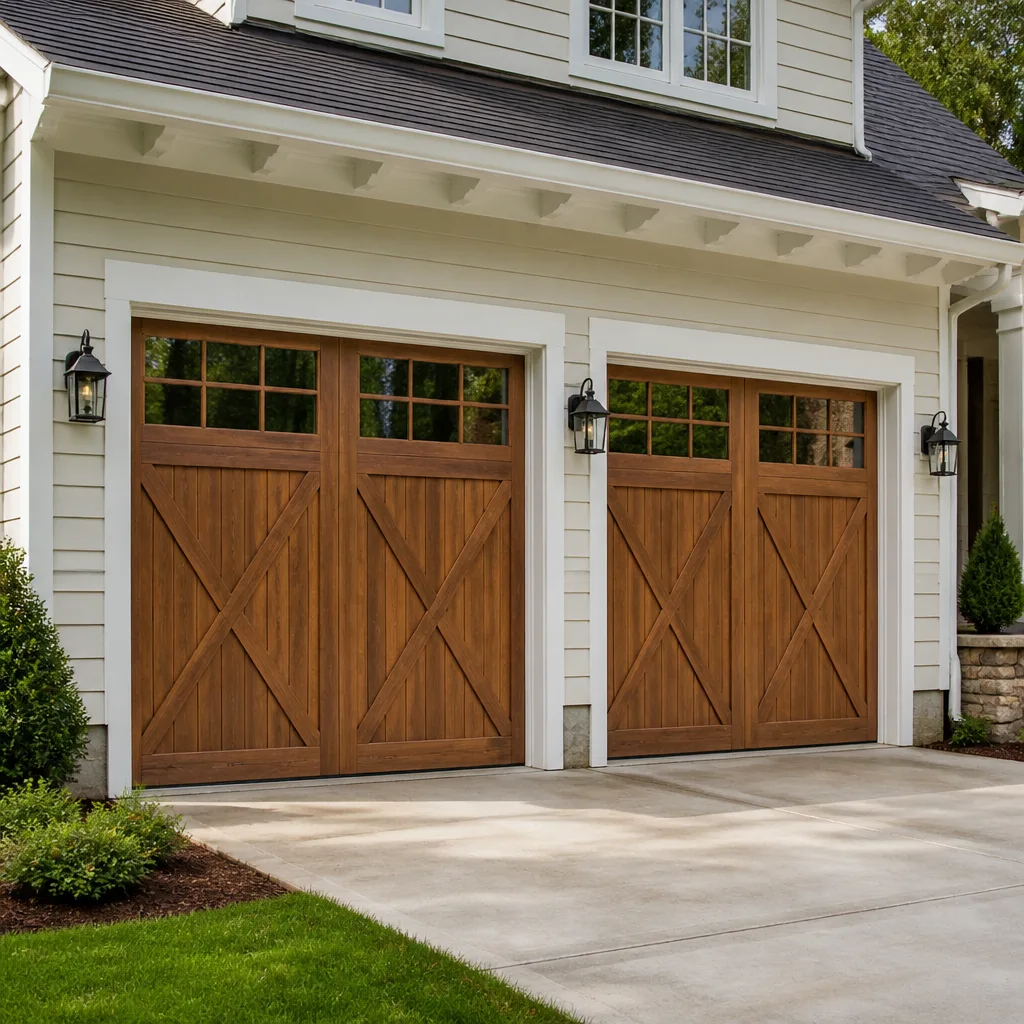 Carriage house
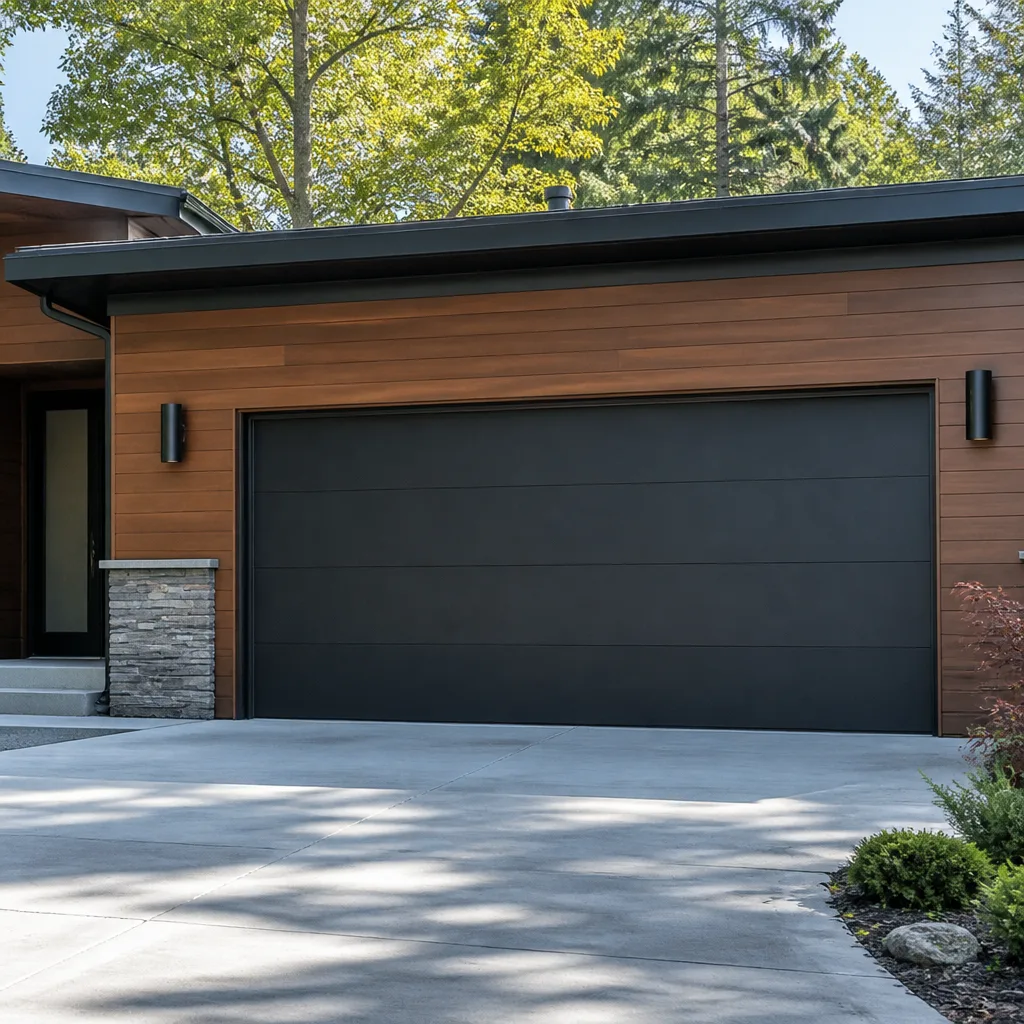 Modern flush
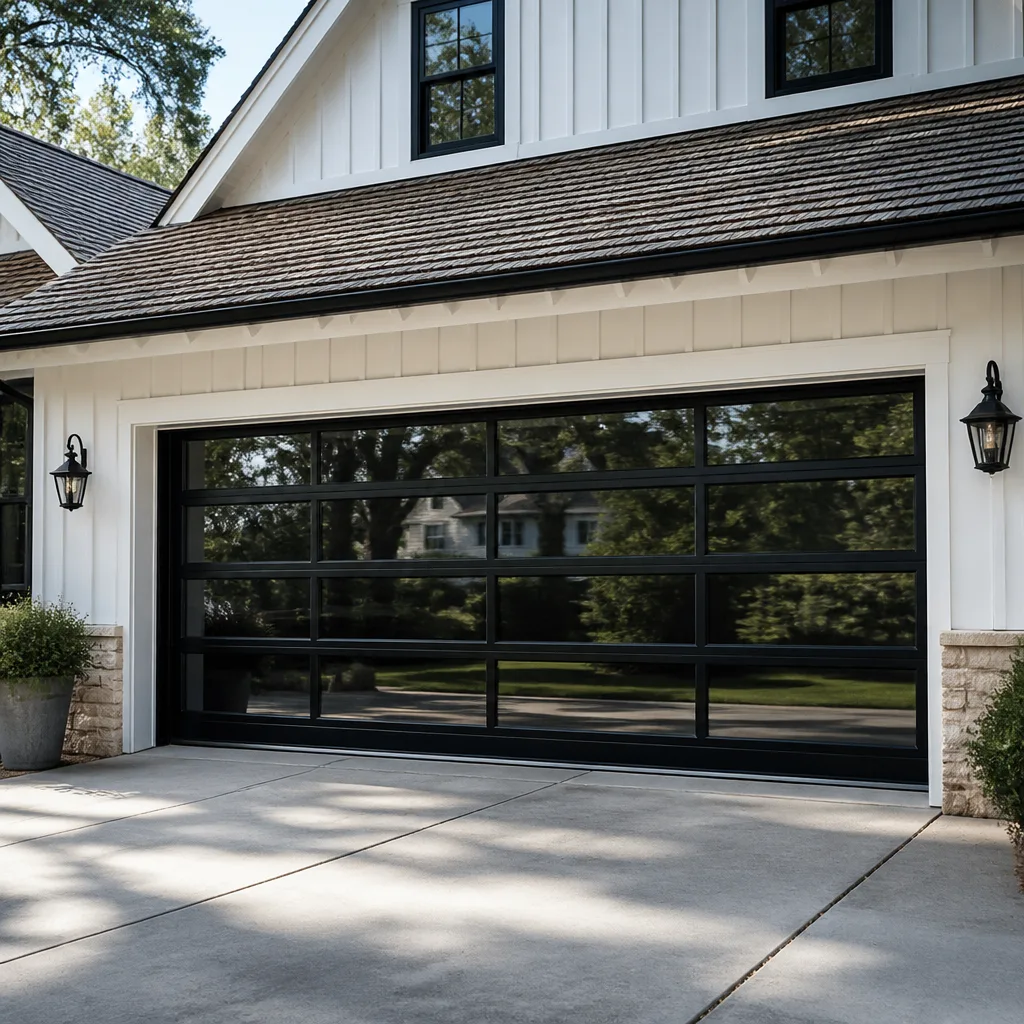 Full-view glass
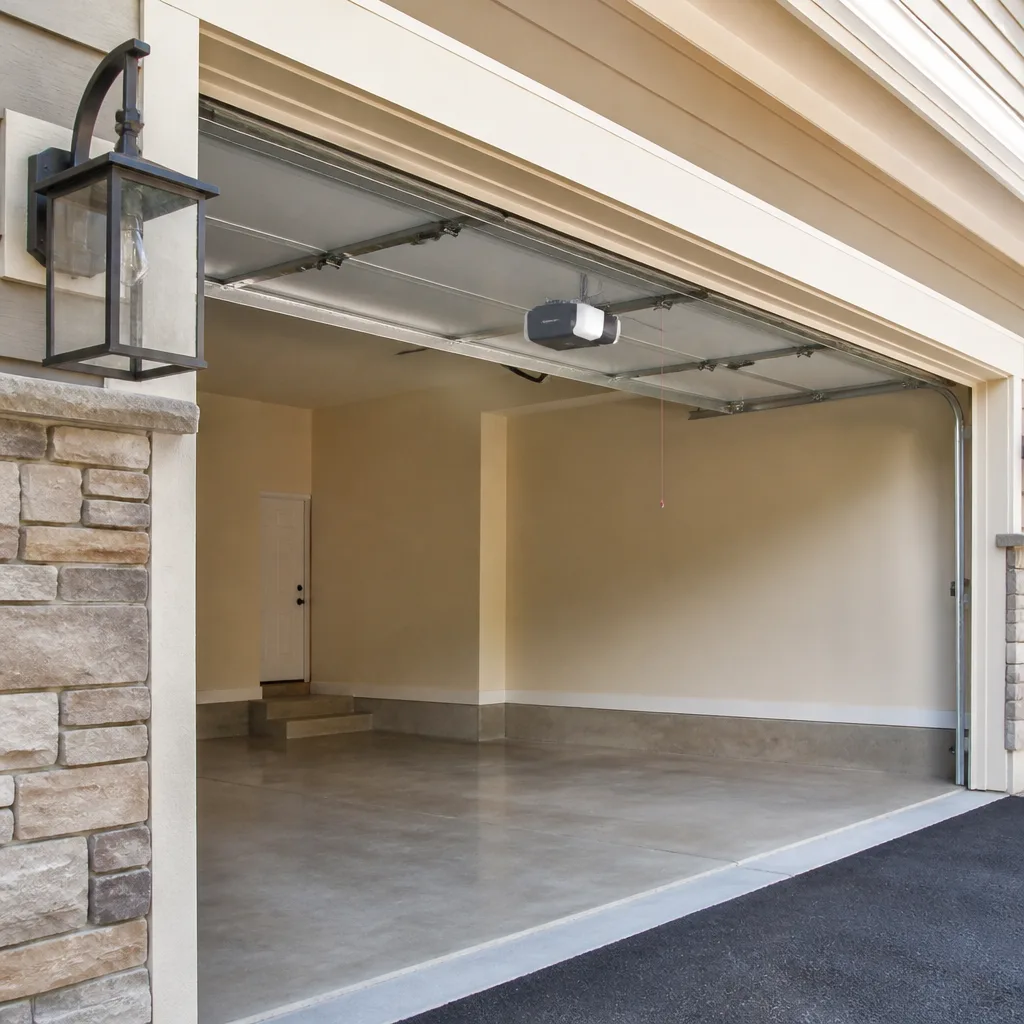 LiftMaster openers
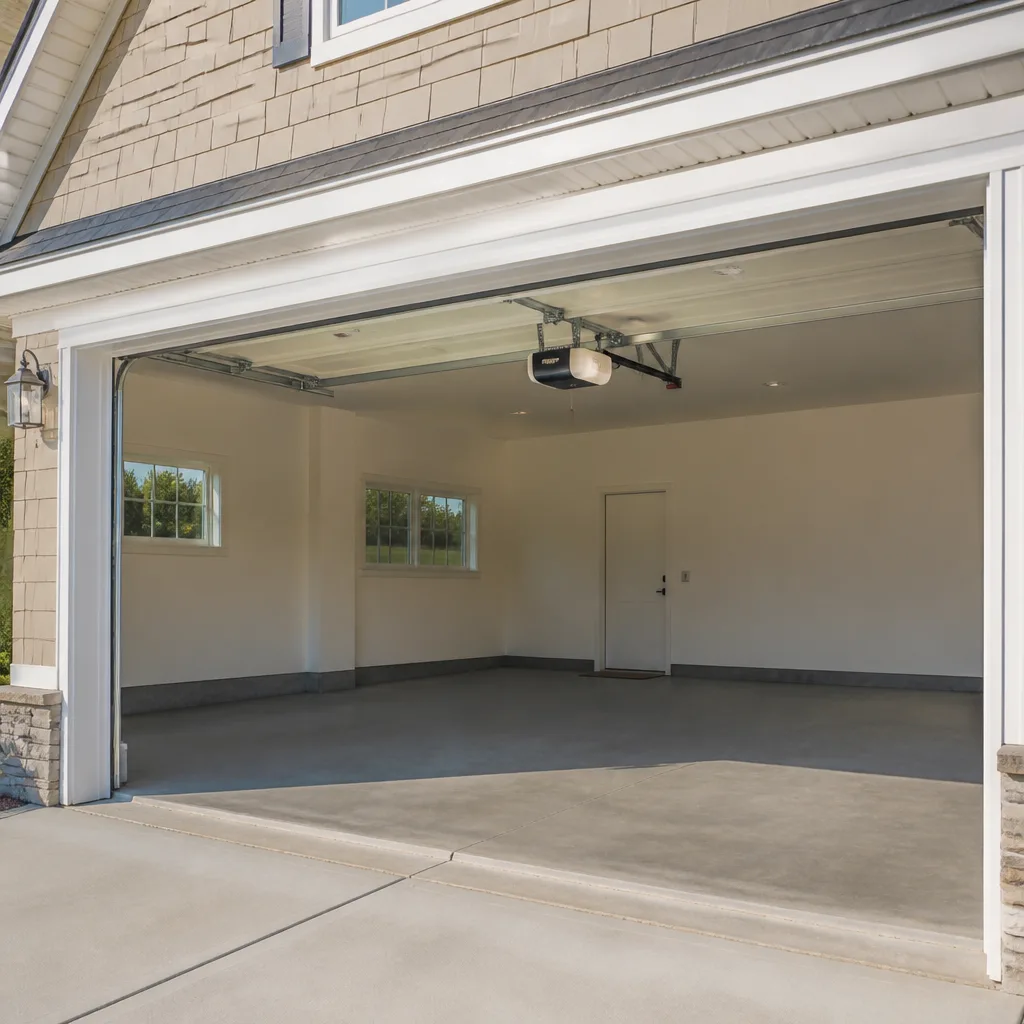 Chamberlain openers
Full 25-point door and opener safety check with every visit - springs, cables, rollers, tracks, and your LiftMaster or Chamberlain opener included
You get a price before we start. It does not change when the pro arrives.
Get your free estimateGarage Door Warning Signs: A Germantown Homeowner’s Reference Guide
A garage door that takes two seconds longer to open than it did six months ago isn’t “getting old.” It’s a measurable symptom pointing to one of three specific mechanical problems, and each one gets worse, and more expensive, the longer it runs. Most homeowners dismiss these early clues because the door still opens. That’s the trap. Germantown doors don’t fail without warning; they fail after months of warnings everyone talked themselves out of. This guide maps each sound, movement and visual sign to its likely cause, tells you which signs mean keep using the door while you book a repair and which mean stop today, and covers the Germantown housing conditions that push doors out of alignment.
Quick Answer
The main garage door warning signs are slow or jerky movement, grinding or popping sounds, a door that won’t close all the way, visible sagging or gaps, and a door that reverses on its own. Signs like noise and uneven travel usually let you keep using the door while you schedule a repair, but a snapped spring, a frayed cable, or a door that slams or falls means stop using it now and call a technician. In Germantown, older homes with settling foundations and aging headers add alignment problems to the list.
Styles & brands we work with
- Raised-panel steel
- Carriage house
- Modern flush
- Full-view glass
- LiftMaster openers
- Chamberlain openers
Table of Contents
- The Symptom-to-Cause Reference Table
- Warning Signs That Allow Normal Use While You Schedule Repair
- Warning Signs That Mean Stop Using the Door Immediately
- Why Slow Response and Uneven Movement Are Often Spring or Cable Problems
- Warning Signs Specific to Germantown’s Older Housing Stock
- How to Document a Warning Sign With a Short Video
- The Routine Checks That Catch Problems Early
- Common Mistakes to Avoid
- When to Call a Professional
- Frequently Asked Questions
The Symptom-to-Cause Reference Table
Before you call anyone, run through this list. Each entry pairs what you’ll actually notice with the most likely root cause, so you can describe the problem in plain language and get a faster diagnosis. Treat this as a starting point, not a final answer. A technician confirms the cause on site, but a homeowner who can name the symptom accurately saves time for everyone.
- Loud bang from above the door, door won’t lift: a snapped torsion spring. Stop using the door.
- Grinding or scraping as the door rises: worn rollers, dry or bent tracks, or the door rubbing its frame.
- Popping or snapping while the door is moving: a cable slipping off a drum, or a spring about to fail.
- Door jerks and stutters on the way up: a spring losing tension, or one spring of a pair failing.
- Door opens a few inches and reverses: opener travel-limit set wrong, or a safety sensor seeing an obstruction.
- Door closes then reverses on contact with nothing in the way: safety sensor misalignment or a failing opener board.
- Visible gap at one corner when closed: a bent panel, a track out of square, or a settling header.
- Door hangs lower on one side: a stretched cable or uneven spring tension.
- Opener motor hums but door doesn’t move: stripped opener gear or a broken drive.
- Door runs slow and heavy but the opener sounds fine: spring or cable losing tension, not the opener.
- Remote works intermittently: weak battery, or a LiftMaster or Genie receiver going bad.
- Door drifts back down after opening: opener limits or motor brake.
Save this section. Half the calls we take in Germantown could have skipped a return visit if the homeowner had matched the symptom to a category first. If you want the repair-side detail behind any of these entries, our garage door repair page spells out what each fix involves.
Warning Signs That Allow Normal Use While You Schedule Repair
Not every warning sign is an emergency. Some problems progress slowly and give you room to book a normal appointment. The rule: if the door moves smoothly, reverses correctly when tested, and nothing is visibly broken, you can usually keep using it while you arrange service. Here’s what fits that category.
- Growing noise. A door that’s noticeably louder than it was a few months ago means worn rollers or dry tracks. It will get worse, but it’s not dangerous today.
- Slight uneven travel. One side reaching the top a beat before the other is a warning. Watch it, don’t ignore it, but a working door with a small imbalance can wait for a scheduled visit.
- A remote that needs a harder press. Usually a battery, then the opener board. Annoying, not urgent.
- A small gap at the bottom weather seal. Worn seals let in drafts and pests. Worth fixing, not a lockout risk.
- Cosmetic dents or faded paint. Panel damage that doesn’t affect travel or sealing can wait for a planned repair.
Our advice with any of these: put it on the calendar rather than on the back burner. A squeaky roller tracked down early is a cheaper job than a bent track. The pattern we see in Germantown is homeowners waiting until the noise becomes a failure. Book the visit while the door still works and you keep your options open.
Warning Signs That Mean Stop Using the Door Immediately
Some signs are a hard stop. These indicate a failure that could drop the door, snap a cable under tension, or leave you with a door stuck open and your home exposed. If you see any of the following, stop operating the door and call for garage door spring repair or a repair visit right away. Do not try to lift the door by hand to test it.
- You heard a loud bang and the door won’t lift. That’s a torsion spring failing. The door is now far heavier than the opener can handle. Leave it down.
- A visible broken spring above the door. There’s a clear gap in the coil. Don’t run the opener.
- A frayed or dangling cable. Cables are under enormous tension. Never touch, cut or try to re-seat one yourself.
- The door slams down instead of lowering smoothly. This means the counterbalance is gone and the opener is the only thing holding it, which is unsafe.
- The door is off its track. A door that’s jumped the track can fall. Keep clear and call.
- The door hangs visibly crooked with one side higher than the other. Unbalanced tension can drop the door suddenly.
We want to be direct about why this matters. Springs and cables store serious energy, and the injuries from DIY spring work are the reason we treat it as its own specialty rather than a side job. Our technicians have up to 9 years of experience and use the right winding tools and hardware. Call (855) 752-3290 if you see any of the stop-now signs. We answer 24/7, and the fast dispatch from 7am to 7pm runs Sunday through Friday.
Why Slow Response and Uneven Movement Are Often Spring or Cable Problems
Here’s the warning sign most Germantown homeowners misread. The door responds slowly to the remote, or it moves unevenly, and the assumption is that the opener is dying. Often it isn’t. The opener is working harder because the door itself has become unbalanced, and an unbalanced door usually points to a spring or cable losing tension upstream.
Think about what the opener actually does. A properly balanced garage door is held at neutral weight, so the opener only has to give a small push. When a spring weakens or one of a matched pair fails, the door gets heavier on one side. The opener now fights that weight every cycle. It runs slower, strains, and eventually strips a gear or burns out. Replacing the opener at that point fixes nothing, because the real problem was never the motor.
How to tell the difference
- If the door is manual-heavy: disconnect the opener and try lifting the door by hand at the middle. A balanced door lifts easily and stays put halfway up. A heavy or drifting door points to springs or cables.
- If the opener hums but struggles: suspect the counterbalance, not the motor.
- If the opener is silent and the door won’t move: now the opener is likely the issue.
- If one side lags: uneven tension from a stretched cable or failing spring.
We see this mismatch constantly in Germantown. A homeowner calls about a “bad opener,” and the honest answer is that the opener was fine until the spring let go. If your door is dragging, our garage door opener repair page covers the opener side, but start by ruling out the springs first. It saves money and fixes the actual cause.
Warning Signs Specific to Germantown’s Older Housing Stock
Germantown is a mix of newer construction and older neighborhoods, and the older homes carry their own set of garage door warning signs. Settling foundations and sagging headers shift the frame the door hangs in, and a door that was perfectly aligned when it was installed can slowly drift out of square as the building moves.
Two things happen when a foundation settles under an older Germantown home:
- The header above the door sags. That changes the geometry of the opening. The door may still run, but it’ll scrape one side or fail to seal at the top corner.
- The floor at the threshold heaves or dips. The bottom seal no longer meets the floor evenly, and you get drafts, water, and an opener that thinks there’s an obstruction because the door doesn’t seat at the limit.
What to watch for in these homes:
- New gaps at the corners or top that appeared over a season or two. Check with a flashlight around the closed door edge.
- Scraping on one side as the door rises. This often means the track is out of plumb with the settled frame.
- The door needing a re-trim of its track after exterior work like a new driveway or sidewalk. A raised or lowered slab changes how the door sits.
- Sticking in cold snaps and sticking in summer heat along the same side. Seasonal movement points to a shifting frame, not just expansion.
These alignment issues don’t announce themselves. They show up as small symptoms: a corner that won’t seal, a grind on one side, a door that reverses at the bottom. When the frame has moved, a technician adjusts the track to match the settled opening rather than just forcing the door back. Our full Garage Door Repair Germantown service covers alignment, track adjustment and re-sealing on these older homes.
How to Document a Warning Sign With a Short Video
You can help a technician diagnose faster before they arrive by capturing a short, clear video of the symptom. A ten-second clip of the door actually misbehaving is worth more than a five-minute phone description. When you call us, we may ask you to send one, and here’s how to shoot it so it’s actually useful.
- Stand back far enough to frame the whole door in the shot. Include the top of the opening and the floor threshold.
- Show the symptom as it happens. Run the opener and let the camera roll through the full up or down cycle, whichever shows the problem.
- Capture the sound. Don’t talk over the clip. Noise is a big diagnostic clue, and a grind or pop tells the technician a lot.
- Get a second angle if the problem is visual. A quick shot close to the spot where the door scrapes or gaps, plus a wide shot, covers both the location and the symptom.
- Add a slow-motion clip if the symptom is subtle, like a slight jerk or an uneven rise. Most phones can do this in a single tap.
- Note the conditions. Cold morning? After a power flicker? After you reset the opener? Say it in one line when you send the video.
Keep the clip short, steady, and focused on the malfunctioning door. That’s all a technician needs to prepare and bring the right parts. It also helps us match the door or opener brand, whether it’s a Raynor operator, a Chamberlain door with a smart opener, or a Genie unit, so the visit is more likely to be a fix rather than a return trip.
The Routine Checks That Catch Problems Early
The most effective way to avoid a garage door failure is a five-minute visual check a few times a year. You’re not doing maintenance yourself; you’re spotting the early warning signs that tell you it’s time to call. Run through this list and note anything that’s changed since the last time you looked.
- Listen on the way up and down. New noises are the earliest warning. Compare it to how it sounded a few months ago.
- Watch the travel. Does the door rise evenly? Any side lagging or jerking?
- Test the safety reverse. Lay a small object in the door’s path and confirm it reverses on contact. If it doesn’t, that’s an opener sensor issue, not a door issue.
- Look at the springs and cables. From the ground, check for visible gaps in the coil and any hanging cable. Don’t touch; just look.
- Check the seal and gaps. A flashlight around the closed door edge shows any new draft or daylight where there wasn’t any before.
- Test the balance by hand only if you’re comfortable and the door is working normally: lift it halfway at the middle and see if it stays. If it drops or opens too easily, the balance is off.
Two light check-ins a year catch most of the problems in this guide before they become a lockout. If a check turns up a warning sign, plan a professional visit rather than a DIY fix, especially for anything involving the springs or cables. Our spring repair is offered as its own specialty, and that’s the right call whenever a balance check looks wrong.
Common Mistakes to Avoid
- Ignoring a new noise as “just getting old.” It isn’t. A noise change is the door telling you a part is wearing. Dismiss it and you’ll likely be calling about a bigger failure.
- Blaming the opener for everything. Slow, heavy or uneven movement is usually a spring or cable problem upstream. Replace the opener and you’ll still have the same door.
- Trying to wind or replace a spring yourself. This is the one repair that injures homeowners most often. Springs and cables are under dangerous tension; leave them to trained technicians with the right tools.
- Lubricating or adjusting a door that’s visibly off-track. A door that’s jumped the track needs a professional reset. Forcing it can drop it.
- Waiting out a gap at the corner. In older Germantown homes, a new corner gap often means the frame is moving. Book a check before it gets worse.
- Forgetting the safety reverse test. The door’s safety reverse is what protects kids and pets. Test it a few times a year, and call if it stops reversing.
- Calling a general handyman for a spring or opener job. Garage doors have their own parts and their own dangers. A specialist diagnoses faster and gets it right the first time.
When to Call a Professional
Call a professional for any sign on the stop-now list, for slow or uneven movement that’s new, for visible gaps in a spring or a hanging cable, for an off-track door, and for an opener that’s struggling or a door that won’t close. Also call when a warning sign has been present for a few weeks and is getting worse, or when you’re not sure whether a noise or a movement is normal. A quick professional look answers the question safely. Garage Door Repair Germantown offers free estimates in Germantown, and our technicians are factory-trained on LiftMaster, Chamberlain, Genie, Clopay, Amarr, Wayne Dalton, Craftsman and Raynor, so we work on your brand from the first visit. We answer 24/7 and dispatch fast from 7am to 7pm, Sunday through Friday. Call (855) 752-3290.
See the difference
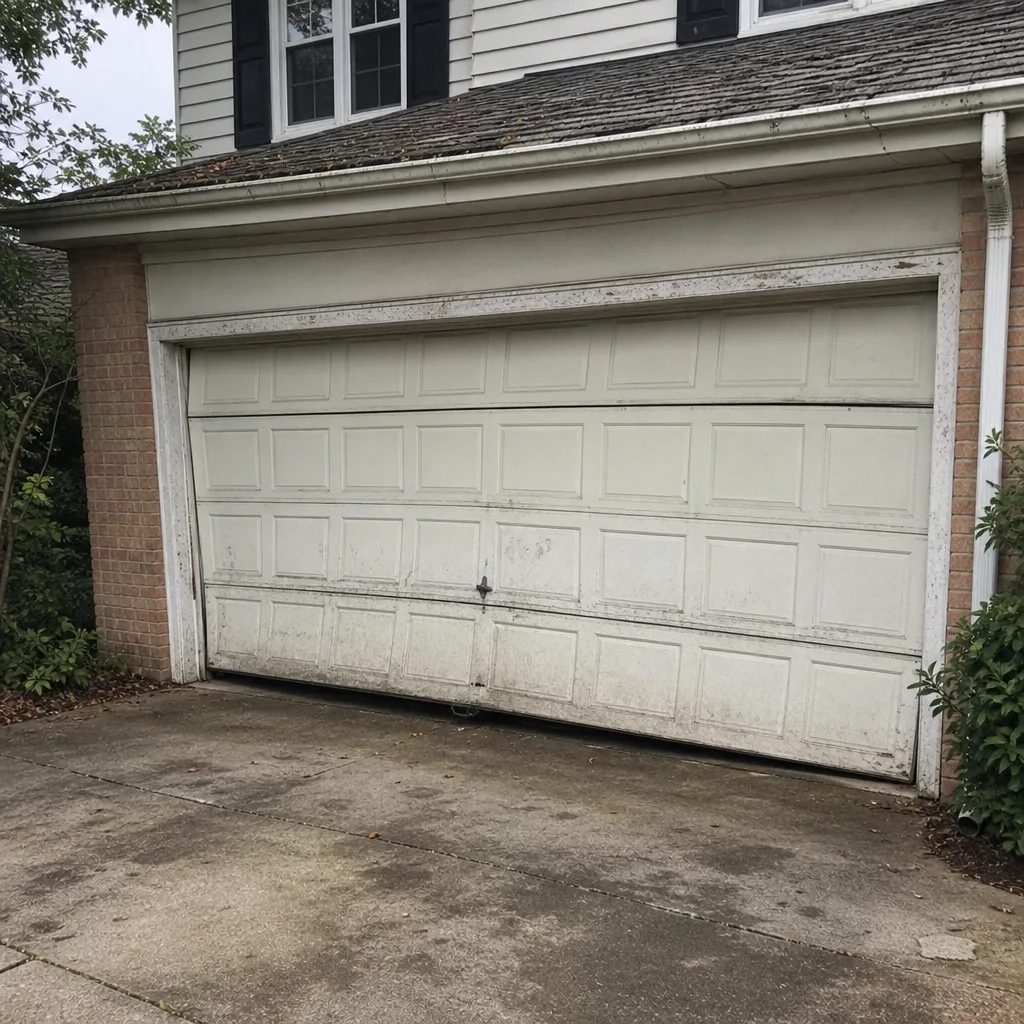 Before
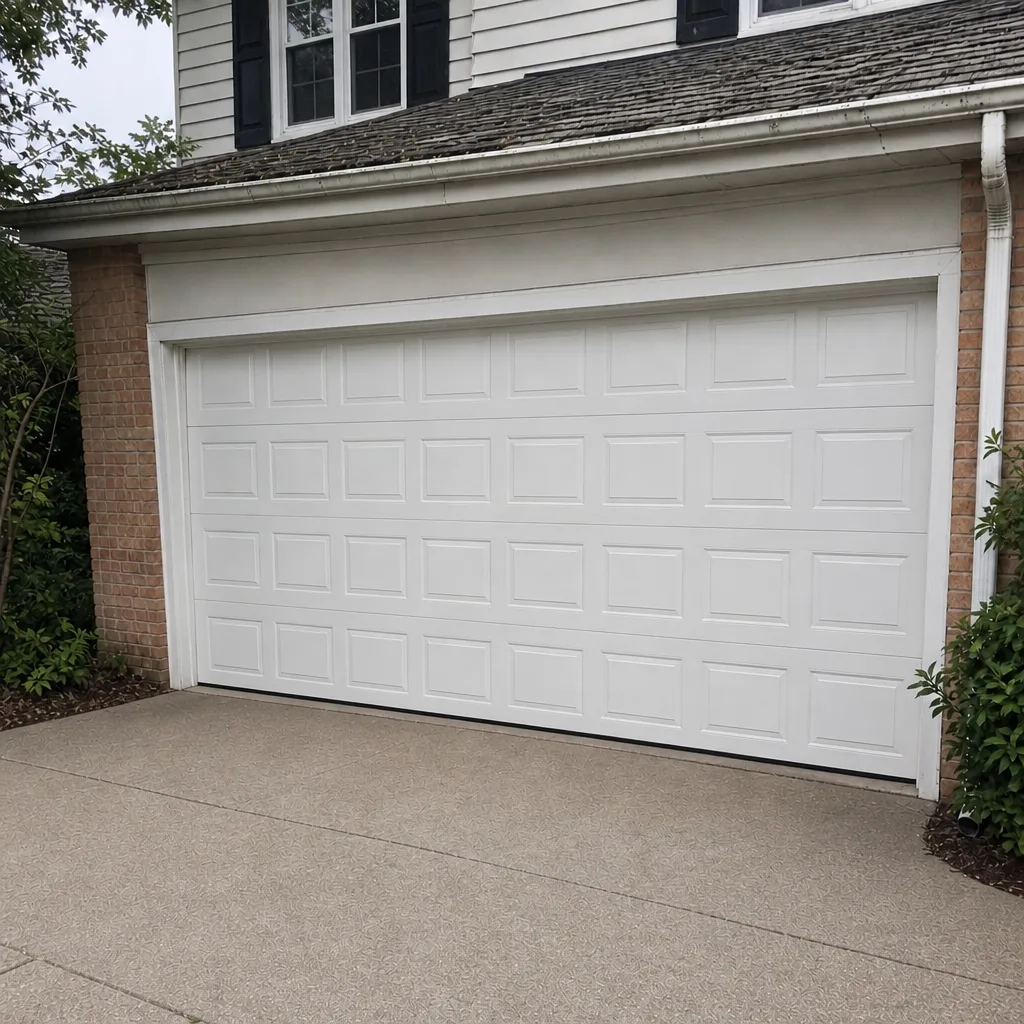 After
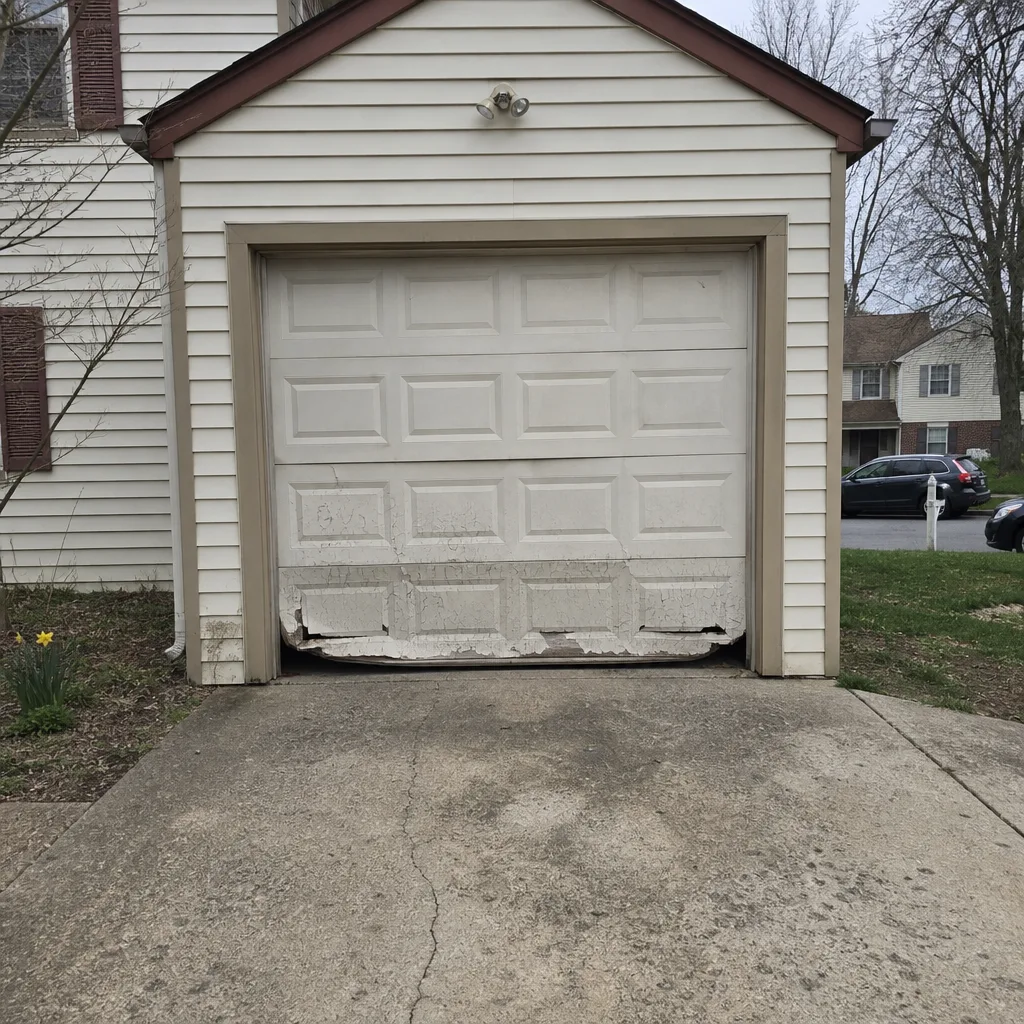 Before
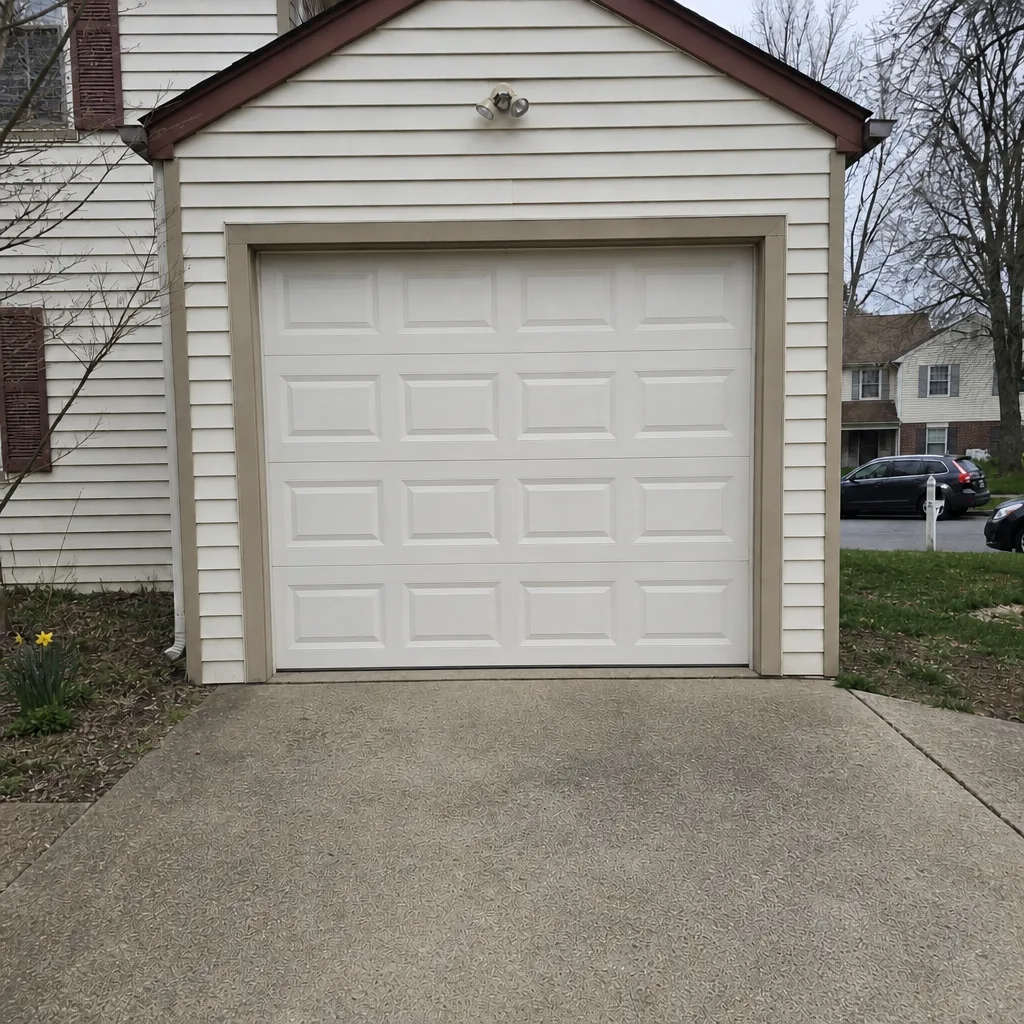 After
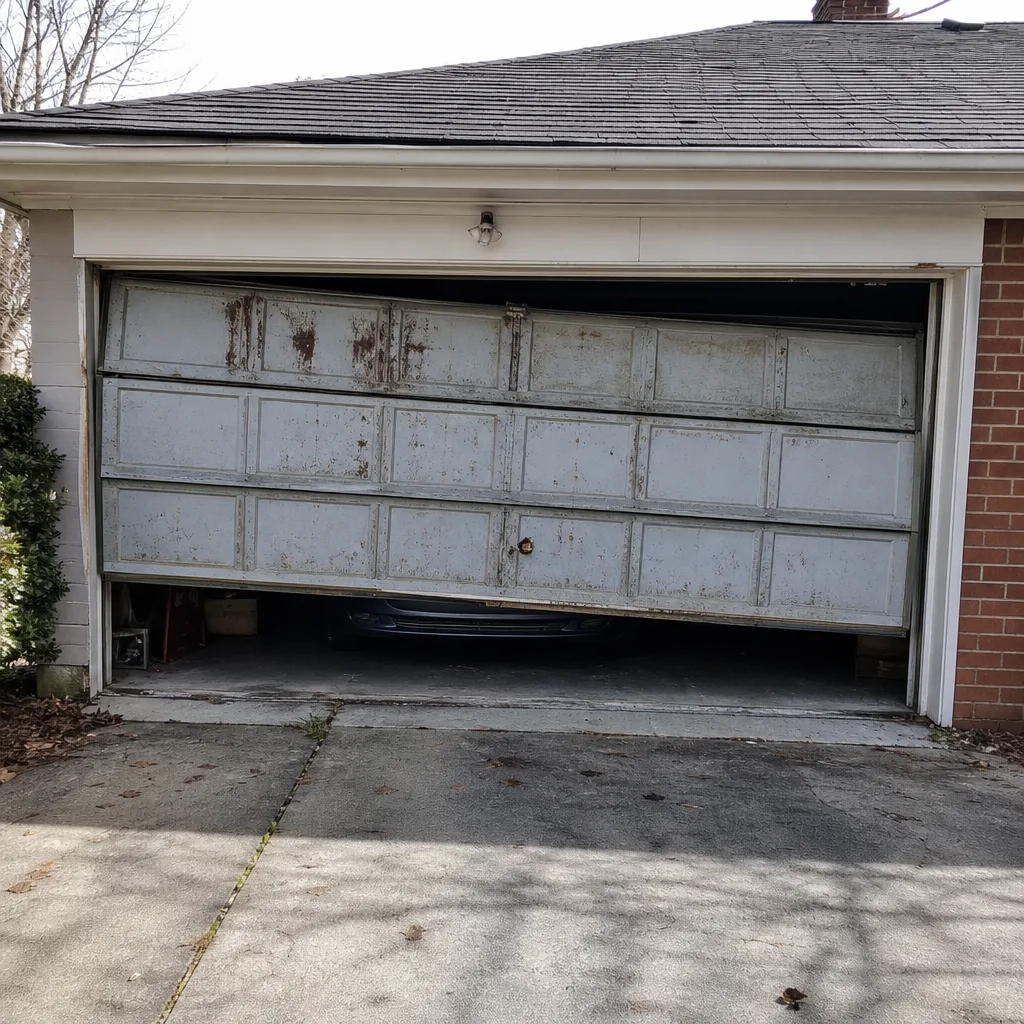 Before
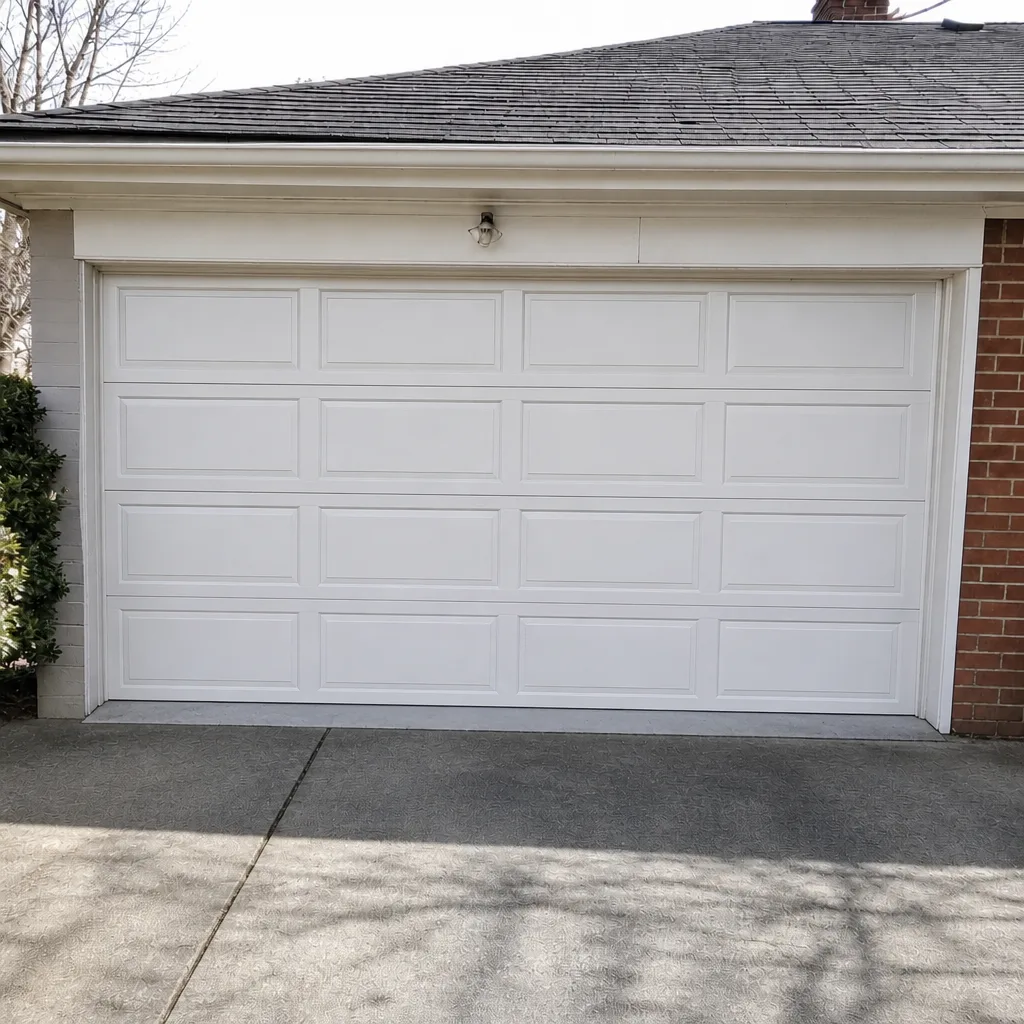 After
Frequently Asked Questions
The earliest warning sign is usually a change in noise, followed by slower or uneven movement and small gaps at the closed door edge. Noises that weren’t there before, a door that lags on one side, or a bottom seal that no longer meets the floor all point to wear that’s building toward a failure. Catching them early is the whole point of this guide. Call (855) 752-3290 for a free estimate if you notice any of them.
Usually yes, if the door still moves smoothly and reverses correctly when tested. Grinding is typically worn rollers or dry or slightly bent tracks, which progress slowly and can wait for a scheduled repair. Stop and call if the grind is paired with a jerky rise, an off-track look, or a door that won’t move. Call (855) 752-3290 and we’ll help you decide.
A slow or uneven door is often a spring or cable losing tension, not a bad opener. The opener is working harder because the door is unbalanced. Disconnecting the opener and testing the door by hand will usually show it if the balance is off. That’s a balance issue that needs a professional look. Call (855) 752-3290 for a free estimate.
A loud bang from above the door and a door that won’t lift are the clearest signs of a snapped torsion spring. A visible gap in the coil is the giveaway. Stop using the door and call for repair. Springs are under dangerous tension and should never be handled as a DIY job. Call (855) 752-3290 and we’ll get you scheduled.
Yes. Settling foundations and sagging headers around Germantown’s older homes gradually shift the door’s frame, so the signs show up as new corner gaps, scraping on one side, and a bottom seal that stops meeting the floor. These align with seasonal movement and get worse over time. Book a check with the city’s building department in mind if any exterior work has been done. Call (855) 752-3290 for a free estimate.
Same-day service is often possible for repair calls, and we answer 24/7. Dispatch runs fast from 7am to 7pm, Sunday through Friday. If you call outside dispatch hours, we book you into the next opening. Call (855) 752-3290 and we’ll tell you the soonest we can be there.
No. The written estimate sets the price, and it’s quoted and agreed before any work starts. The typical job is estimated up front based on what the diagnosis shows, so there are no surprises on the invoice. Call (855) 752-3290 for a free estimate.
The local professionals we connect you with are licensed and insured as their state requires. Our technicians have up to 9 years of experience and are trained specifically on garage doors, not general handy work. Every call is handled by a garage door specialist. Call (855) 752-3290 for a free estimate.
The Bottom Line
Garage door failure almost never happens without warning. Slow movement, new noise, gaps at the corner, uneven travel and a struggling opener are all measurable symptoms pointing to specific causes, and each one gets more expensive when ignored. Match your symptom to the table, decide whether it’s a keep-using sign or a stop-now sign, and book the repair before it turns into a failure. In older Germantown homes, watch for frame movement showing up as new gaps and scraping. When in doubt, film a short clip and call. We work on LiftMaster, Chamberlain, Genie and Raynor systems, and one call covers repair, opener repair, spring repair or a new installation.
If any warning sign in this guide sounds familiar, call (855) 752-3290 for a free estimate. We answer 24/7, fast dispatch runs from 7am to 7pm Sunday through Friday, and the price is quoted and agreed before any work starts.
Written by the team at Garage Door Repair Germantown.